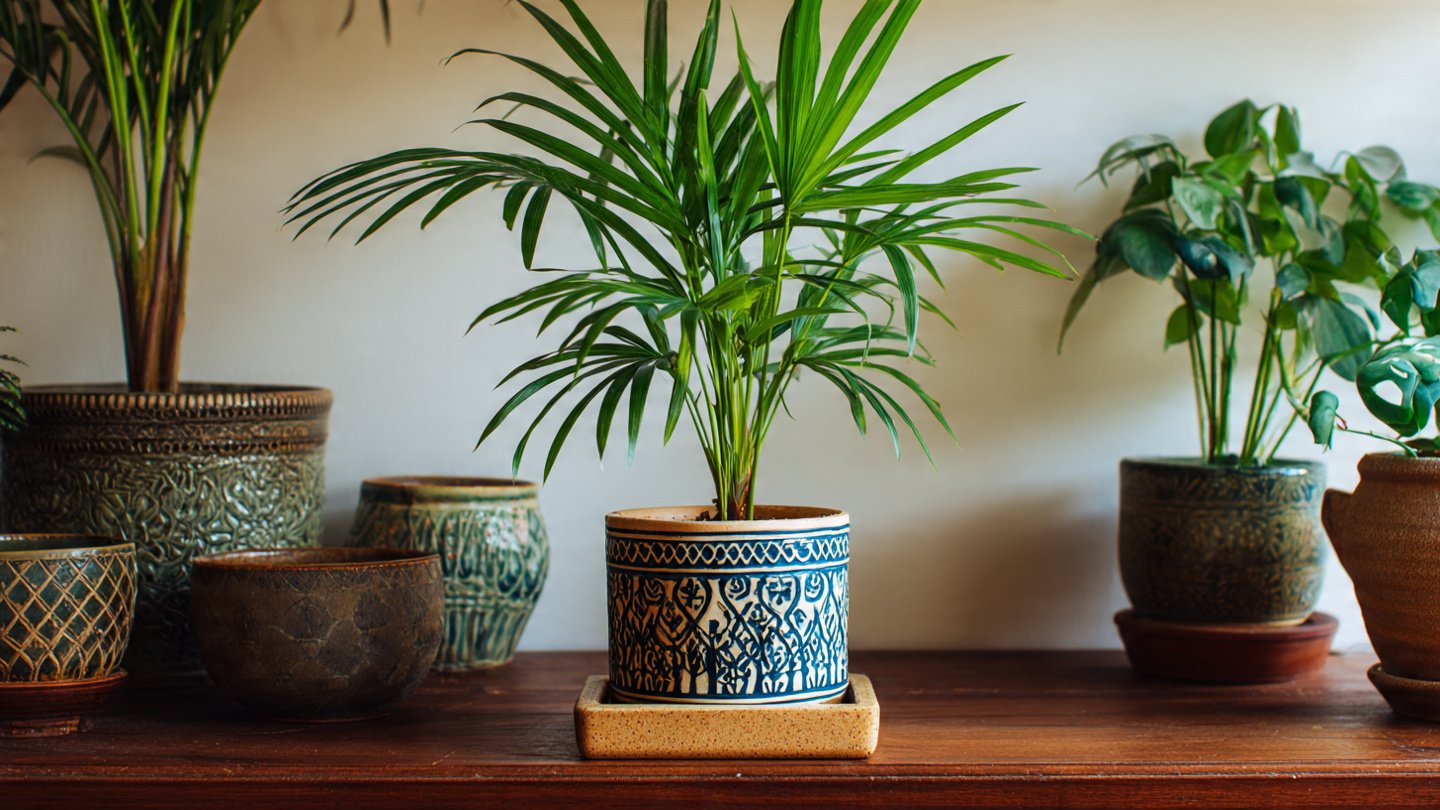
Indoor palm plants bring a sense of calm, elegance, and tropical charm into any living space. Their graceful fronds and upright growth make them popular choices for homes, offices, and apartments. While palms may look exotic and delicate, many varieties are surprisingly resilient when given the right care. The key to success lies in understanding their basic needs and maintaining consistency. With proper attention to light, water, soil, humidity, and general maintenance, indoor palm plants can thrive for many years and become stunning focal points in your home.
Palm plants are native to warm climates, which means they prefer stable conditions and gentle care rather than constant adjustments. Many common indoor palms, such as areca palms, parlor palms, and kentia palms, are well suited to indoor environments because they tolerate lower light levels and adapt easily to container growth. Learning how to recreate their natural conditions indoors is the foundation of foolproof palm care.
Choosing the Right Palm for Indoors
Successful palm care begins with selecting a variety that suits indoor living. Not all palms are ideal for confined spaces or low light. Some species grow very large or require intense sunlight, making them difficult to manage indoors. Smaller, slow-growing palms are usually the best choice.
When selecting a palm, consider the size of your space, available light, and ceiling height. Palms with compact root systems and moderate growth rates adapt better to pots and indoor conditions. Healthy palms should have vibrant green leaves, firm stems, and no signs of yellowing, browning, or pests. Starting with a healthy plant significantly reduces future care challenges.
Understanding Light Requirements
Light is one of the most important factors in indoor palm care. Most indoor palms prefer bright, indirect light. Direct sunlight, especially through windows, can scorch leaves and cause brown tips or patches. On the other hand, too little light can slow growth and cause fronds to turn pale or yellow.
Place palms near windows with filtered light, such as behind sheer curtains or a few feet away from a bright window. East- or north-facing windows often provide ideal lighting conditions. If your home has limited natural light, palms can adapt, but growth will be slower. Rotating the plant every few weeks ensures even light exposure and balanced growth.
Artificial lighting can supplement natural light if needed. Consistent light levels are more important than intensity, so avoid moving palms frequently between bright and dim locations, as sudden changes can stress the plant.
Watering the Right Way
Watering is where many palm owners make mistakes. Palms prefer evenly moist soil but are sensitive to overwatering. Soggy soil deprives roots of oxygen and can lead to root rot, one of the most common causes of palm decline indoors.
Before watering, check the top inch or two of soil. If it feels dry, it is time to water. If it still feels moist, wait a few more days. When watering, do so thoroughly until water drains from the bottom of the pot. Discard any excess water in the saucer to prevent roots from sitting in standing water.
Underwatering can also cause problems, such as dry, crispy leaf tips and slowed growth. The goal is balance. Watering frequency will vary depending on season, temperature, pot size, and humidity levels. During warmer months, palms may need more frequent watering, while winter usually requires less.
Soil and Pot Selection
The right soil mixture is essential for healthy indoor palms. Palms need well-draining soil that retains some moisture without becoming compacted. A high-quality potting mix designed for indoor plants, combined with sand or perlite, works well. This combination allows water to flow freely while keeping roots adequately hydrated.
Pot selection is just as important as soil. Choose a pot with drainage holes to prevent water buildup. Pots that are too large can hold excess moisture, increasing the risk of root rot. Palms prefer slightly snug containers, so avoid repotting too often. Repotting every two to three years is usually sufficient, or when roots begin to outgrow the pot.
When repotting, handle roots gently, as palms do not like excessive disturbance. Moving up just one pot size at a time helps the plant adjust more easily.
Maintaining Proper Humidity
Palms naturally thrive in humid environments, and indoor air can often be too dry, especially during winter or in air-conditioned spaces. Low humidity can cause leaf tips to turn brown and fronds to lose their lush appearance.
Increasing humidity does not have to be complicated. Placing a tray of water and pebbles beneath the pot helps raise humidity as the water evaporates. Grouping plants together can also create a more humid microenvironment. Occasional misting can be beneficial, but it should be done lightly and consistently rather than excessively.
Using a humidifier is another effective option, especially in very dry climates. Maintaining moderate humidity levels keeps leaves healthy, flexible, and vibrant.
Temperature and Placement
Indoor palms prefer warm, stable temperatures similar to those found in their natural habitats. Most palms thrive in temperatures between sixty-five and eighty degrees Fahrenheit. Sudden temperature changes, cold drafts, or exposure to heating vents can stress the plant.
Avoid placing palms near doors, windows that open frequently, or air conditioning units. Cold drafts can damage leaves, while hot, dry air can cause dehydration. Consistent temperature is far more important than achieving a perfect number.
Palms also benefit from gentle air circulation, which helps prevent pests and fungal issues. Ensure the room is well ventilated without exposing the plant to harsh airflow.
Feeding and Nutrients
Indoor palms are moderate feeders and benefit from regular but gentle fertilization. During the active growing season, typically spring and summer, feeding once a month with a balanced liquid fertilizer supports healthy growth. Always dilute fertilizer according to instructions to avoid burning the roots.
In fall and winter, growth slows, and feeding should be reduced or stopped altogether. Overfertilizing can lead to salt buildup in the soil, which damages roots and causes leaf discoloration. Flushing the soil occasionally with plain water helps remove excess salts.
Signs of nutrient deficiency include yellowing leaves or weak growth. However, these symptoms can also result from improper watering or lighting, so it is important to assess overall care before adjusting feeding routines.
Pruning and General Maintenance
Palms do not require heavy pruning, but regular maintenance keeps them looking their best. Remove only fully brown or yellow fronds using clean, sharp scissors or pruning shears. Cutting green, healthy fronds can weaken the plant and slow growth.
Cleaning leaves gently with a damp cloth removes dust and improves the plant’s ability to absorb light. Avoid using leaf shine products, as these can clog pores and damage foliage over time.
Inspect your palm regularly for pests such as spider mites or mealybugs, which are more common in dry indoor conditions. Early detection allows for simple treatment and prevents serious infestations.
Understanding Common Problems
Brown leaf tips are one of the most common concerns with indoor palms. This issue is usually caused by low humidity, inconsistent watering, or salt buildup from fertilizer. Adjusting care practices often resolves the problem over time.
Yellowing leaves may indicate overwatering, poor drainage, or insufficient light. Soft or mushy stems are a sign of root problems and require immediate attention. Addressing issues early increases the chances of recovery and long-term health.
Conclusion
Caring for indoor palm plants does not need to be intimidating. By focusing on the essentials—proper light, balanced watering, well-draining soil, adequate humidity, stable temperature, and gentle maintenance—you can create an environment where palms thrive. Consistency and observation are the most important tools in successful palm care.
With patience and the right approach, indoor palms reward you with lush green foliage and a calming presence that enhances any space. This foolproof guide provides everything you need to keep your indoor palm plants healthy, beautiful, and thriving for years to come.