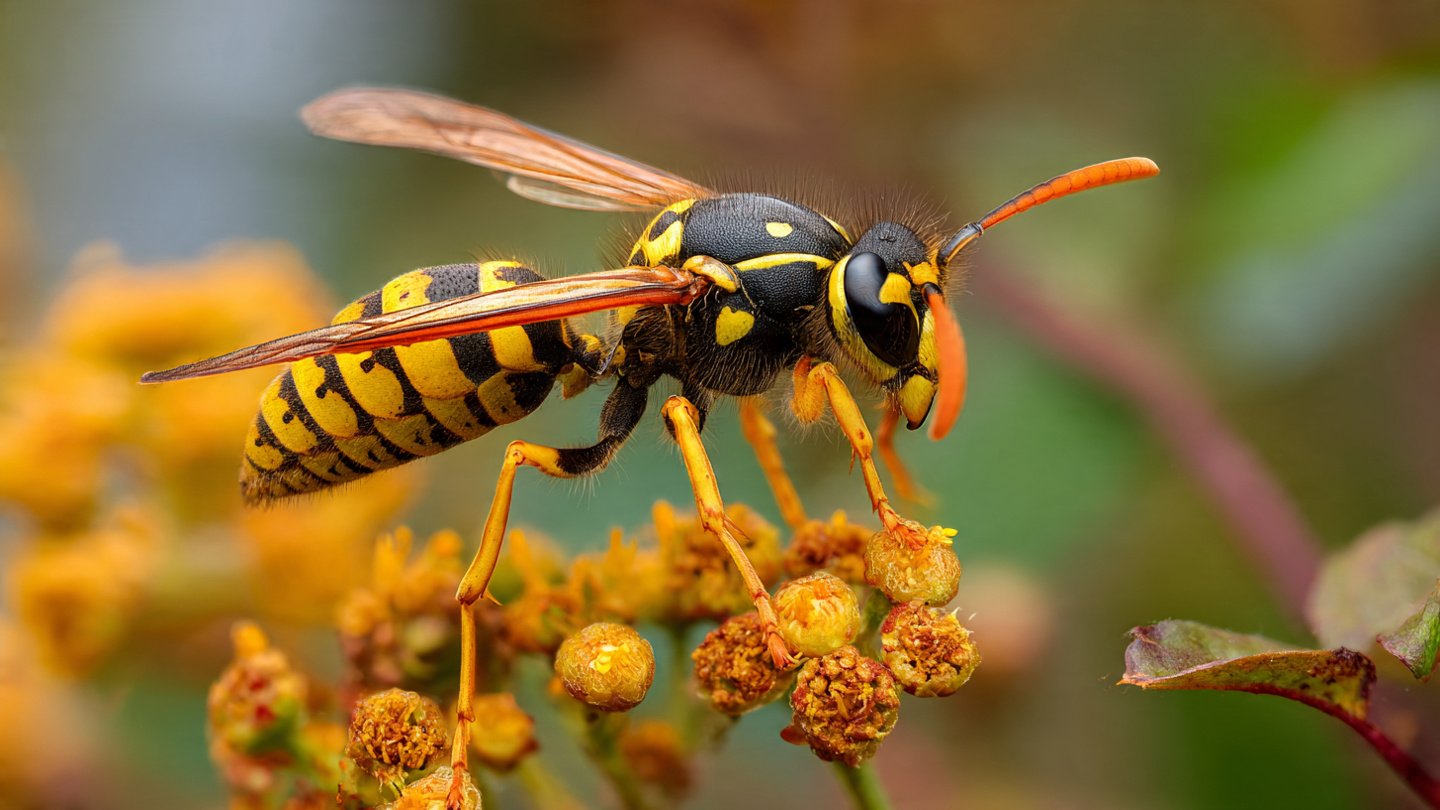
If you’ve noticed more buzzing wasps than bees in your garden, it might initially feel concerning. Wasps are often feared for their stings, while bees are celebrated as essential pollinators. However, a garden attracting more wasps than bees is not necessarily a sign of poor garden health. Understanding why this happens, what attracts wasps, and the ecological benefits they provide can help gardeners appreciate their presence and even leverage their behavior for a healthier, more balanced garden ecosystem.
Understanding the Difference Between Wasps and Bees
Wasps and bees are both members of the order Hymenoptera, but they have very different behaviors, diets, and ecological roles. Bees, particularly honeybees and bumblebees, are primarily pollinators. They feed on nectar and pollen and are drawn to flowers that provide these resources. Their fuzzy bodies carry pollen from one bloom to another, facilitating reproduction in flowering plants.
Wasps, in contrast, are predators and scavengers. Many wasp species are carnivorous, hunting insects such as caterpillars, aphids, and flies. Others feed on sugary substances, such as ripe fruit, nectar, or plant sap. Wasps are less hairy than bees and do not carry pollen in the same efficient way, so their pollination role is often incidental. While they do visit flowers, they are generally not as effective at spreading pollen as bees.
Why Wasps Are Attracted to Your Garden
Several factors may explain why your garden is attracting more wasps than bees. One of the most common reasons is the availability of protein-rich food. Predatory wasps hunt other insects to feed their larvae, and gardens with abundant pests like aphids, caterpillars, or small flies provide an easy hunting ground. A garden rich in these prey species will naturally attract more wasps looking for a convenient food source.
Another factor is sugary substances. Wasps are drawn to sweet fruits, juices, and nectar. Overripe or fallen fruit in the garden can be particularly attractive, as can nectar from flowers with open, accessible blooms. Unlike bees, which prefer tubular or clustered flowers designed for pollination, wasps will exploit a broader range of floral resources for sugary sustenance.
Environmental conditions also play a role. Wasps tend to be more active in warm, sunny areas with sheltered spaces for nesting. Gardens with sunny edges, overhangs, or eaves provide ideal nesting spots, while humid, dense areas with abundant prey and water attract foraging wasps. If your garden has these conditions, it will naturally draw more wasps.
Finally, garden design influences the balance of insects. Monoculture flower beds or gardens with limited pollen-producing plants may not provide sufficient resources for bees, leading them to seek other areas. Meanwhile, wasps, being more opportunistic feeders, can thrive even when floral resources are limited.
Benefits of Wasps in the Garden
While their aggressive reputation precedes them, wasps provide several ecological and practical benefits to gardeners. One of the primary advantages is pest control. Many wasp species prey on insects that damage plants, such as caterpillars, aphids, and beetle larvae. By naturally regulating pest populations, wasps reduce the need for chemical insecticides and help maintain a healthy garden ecosystem. In this sense, wasps act as biological control agents, protecting crops, flowers, and ornamental plants from overpopulation of harmful insects.
Wasps also contribute indirectly to pollination. While they are not as efficient as bees, they do visit flowers for nectar. Some plant species benefit from occasional wasp visits, and their movement from flower to flower can supplement pollination efforts. Certain fruiting plants, such as figs, have evolved specifically to rely on wasps for pollination. In these cases, wasps are essential partners for reproduction and yield.
Another benefit of wasps is their role in nutrient cycling. By preying on insects and consuming organic matter, wasps help break down and recycle nutrients in the garden. Dead insects and decaying plant matter consumed by wasps are transformed into energy that supports their colonies, which in turn provides food for birds and other wildlife. This creates a dynamic web of ecological interactions that supports biodiversity.
Wasps also indicate a healthy garden ecosystem. Their presence suggests that there is a diverse range of insects, prey, and floral resources. Gardens that support a variety of insects are generally more resilient, with better natural pest control and stronger ecological balance. Seeing wasps may therefore be a sign that your garden is functioning well and has abundant biodiversity.
Managing Wasps Without Harming Your Garden
Although wasps offer many benefits, their stings can be painful and pose risks for allergic individuals. Balancing their presence with human safety is important. One strategy is to provide alternative food sources, such as sugar feeders placed away from seating areas, to divert wasps from high-traffic zones. Removing overripe or fallen fruit promptly reduces attractants.
Ensuring bees and other pollinators have ample resources can also balance insect populations. Planting a variety of flowers rich in nectar and pollen, especially native species, attracts bees and supports healthy pollination while naturally moderating wasp activity. Dense flower clusters, early-blooming species, and a succession of blooms throughout the season keep pollinators engaged and reduce competition from wasps for sugary resources.
Avoiding indiscriminate spraying of insecticides is essential. Many chemicals harm beneficial insects, including wasps, bees, and predatory species that support the garden. Targeted, eco-friendly pest management strategies, such as manual removal of nests near human activity or using natural repellents, protect both humans and the ecological balance.
Providing sheltered nesting areas away from living spaces allows wasps to contribute to the ecosystem without causing conflict. For example, leaving some undisturbed areas with shrubs, wood piles, or hollow spaces supports natural colonies while keeping them away from patios and play areas.
Why a Wasp-Rich Garden Can Be a Positive Indicator
A garden attracting wasps may initially seem less appealing than one buzzing with bees, but it is not necessarily a problem. Wasps indicate a thriving, complex ecosystem with healthy insect populations and abundant food resources. Their predation on pests reduces damage to plants and encourages biodiversity. Additionally, their occasional pollination and role in nutrient cycling support plant health in ways that are often overlooked.
Wasps also teach gardeners about the interconnectedness of species. By observing their behavior, one can learn about prey populations, seasonal changes, and ecological interactions. Understanding their role fosters appreciation rather than fear, shifting the perspective from nuisance to natural ally.
Moreover, the presence of wasps often correlates with reduced need for chemical interventions. When wasps control pests naturally, plants can grow stronger, flowers bloom more fully, and fruit production improves. Gardeners benefit from these natural services, and the garden becomes more self-sustaining over time.
Balancing Wasps and Bees
For gardeners aiming to attract both bees and wasps, diversity is key. Providing abundant flowering plants for bees, such as lavender, sunflowers, and clover, ensures pollination. Supplementing with shrubs and fruiting plants that produce accessible nectar can attract wasps for pest control. Creating a layered garden with flowers, shrubs, and open spaces allows each species to find its niche without competing excessively for resources.
Seasonal considerations also matter. Wasps are more active in late summer and fall when sugary resources and prey insects are plentiful, while bees are most active during spring and early summer. By maintaining a continuous bloom schedule and ensuring that pollinators have shelter and water, gardeners can balance these populations naturally.
In summary, a garden drawing more wasps than bees is not a sign of failure but an indication of ecological richness. Wasps contribute to pest control, support pollination indirectly, aid nutrient cycling, and indicate a balanced ecosystem. By understanding their behavior, providing complementary resources for bees, and managing human interaction, gardeners can create a vibrant, resilient garden that benefits from both insects.
Conclusion
The presence of wasps in your garden offers lessons in resilience, adaptation, and ecological balance. While bees remain essential for pollination, wasps provide complementary benefits, particularly in natural pest control and ecosystem health. Gardens attracting wasps demonstrate the complexity and vitality of the environment, highlighting the interactions between species, seasonal changes, and resource availability.
By appreciating the role of wasps, providing diverse floral and shelter options, and maintaining balanced garden management practices, gardeners can coexist with these often-misunderstood insects. Far from being a nuisance, wasps play a crucial role in sustaining healthy, productive gardens. Understanding and embracing their presence can transform a garden from merely ornamental into a thriving ecosystem where every insect, predator, and pollinator contributes to the overall balance, growth, and beauty of the space.