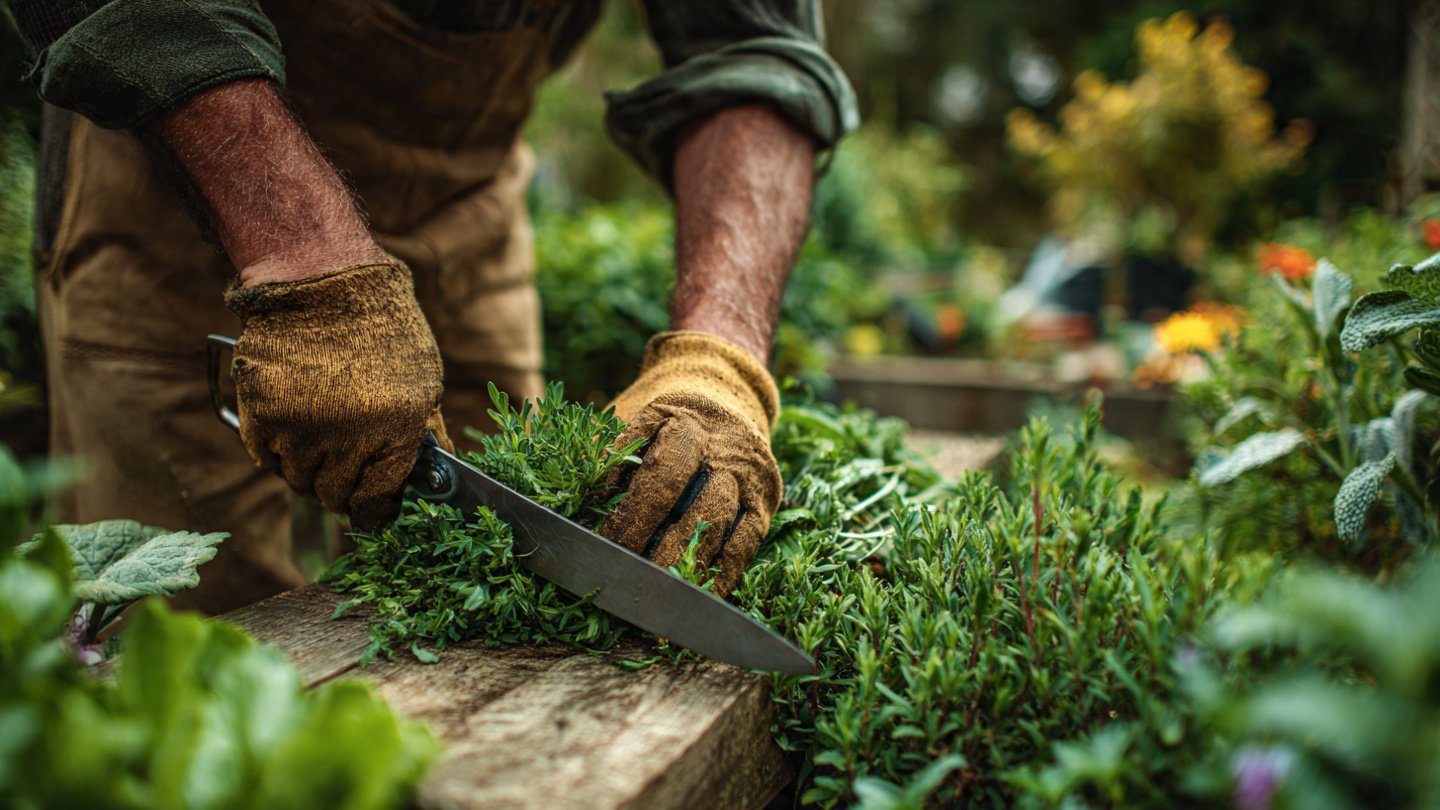
In modern gardening and sustainable landscape management, the “chop and drop” method has gained significant attention among professional gardeners. This technique, while seemingly simple, offers multiple advantages for soil health, plant growth, and ecological balance. Chop and drop involves cutting down plants, pruning excess foliage, or harvesting specific plant parts and then leaving the chopped material to decompose naturally on the ground. This approach mimics natural processes observed in forests and meadows, where fallen leaves and plant debris recycle nutrients and support the ecosystem. Its increasing popularity among professionals is not coincidental; it combines efficiency, sustainability, and long-term benefits that traditional garden maintenance practices often overlook.
One of the primary reasons gardeners favor chop and drop is its contribution to soil fertility. Plants, especially those that grow quickly or produce a lot of foliage, contain essential nutrients like nitrogen, phosphorus, and potassium. When these plant parts are left on the soil surface, they gradually decompose and release nutrients back into the ground. This natural recycling process reduces the need for synthetic fertilizers and promotes healthy soil biology. Over time, the soil becomes richer, supporting stronger root systems, more resilient plants, and higher yields, particularly in vegetable gardens and edible landscapes.
Chop and drop also helps conserve soil moisture. The layer of plant debris acts as a natural mulch, covering the soil and reducing evaporation. In hot or dry climates, this can make a significant difference in maintaining plant health and reducing watering frequency. By minimizing water loss, gardeners create a more stable microenvironment for plant roots and beneficial soil organisms, supporting long-term garden sustainability. Mulching with chopped plant material is particularly effective around perennials, shrubs, and garden beds that are vulnerable to drying out.
Another major advantage of chop and drop is its simplicity and efficiency. Traditional methods of removing plant waste often involve bagging, transporting, or burning cuttings, all of which require additional time and effort. With chop and drop, garden waste is immediately repurposed on-site, eliminating labor-intensive disposal steps. This efficiency allows professional gardeners to focus more on planting, design, and other tasks rather than managing organic debris. For large-scale gardens or landscapes, this method saves hours of work each week.
Chop and drop also supports biodiversity. As plant material decomposes on the soil, it provides habitat and food for a variety of beneficial organisms. Earthworms, insects, fungi, and microorganisms thrive in the decomposing layer, breaking down plant matter and further enriching the soil. This increased biological activity contributes to a balanced ecosystem, where pests are naturally controlled, and plants benefit from symbiotic relationships with soil microbes. Professional gardeners recognize that healthy soil ecology is the foundation of vibrant gardens, and chop and drop is an effective way to nurture it.
Additionally, the method helps suppress weeds. A layer of chopped plant material covering the soil creates a barrier that limits sunlight reaching weed seeds. This inhibits germination and growth, reducing the need for chemical herbicides or repeated manual weeding. For gardeners managing large plots or intricate landscapes, this passive weed control saves considerable effort while maintaining an environmentally friendly approach. Unlike synthetic mulches, which can be costly or non-biodegradable, the chop and drop layer naturally breaks down over time, replenishing the soil as it decays.
Professional gardeners also value the flexibility of chop and drop. The method can be applied to a variety of plants, from fast-growing annuals to perennials, shrubs, and even certain vegetables. Gardeners can decide which plant material to chop, the size of the cuttings, and where to drop them based on the needs of the garden. For example, leafy greens or cover crops can be chopped and left around soil beds to improve fertility, while pruning trimmings from shrubs may be used as mulch in shaded areas. This adaptability makes chop and drop a versatile technique for gardens of all sizes.
The technique also aligns with permaculture principles, which emphasize sustainable and regenerative practices. In permaculture, the goal is to create closed-loop systems where waste becomes a resource. Chop and drop exemplifies this philosophy by transforming garden cuttings into soil-enriching mulch, mimicking natural forest cycles. Professional gardeners who incorporate permaculture methods appreciate that the practice reduces dependency on external inputs, encourages ecological balance, and creates resilient garden systems.
Another factor contributing to the popularity of chop and drop is its long-term cost-effectiveness. By improving soil fertility naturally, reducing water needs, and minimizing weed growth, gardeners save on fertilizers, irrigation, and herbicides. Over time, this leads to significant financial savings, particularly in commercial or large-scale gardening operations. The method also reduces the need for frequent plant replacements, as healthier soil supports stronger, more productive plants. These economic advantages make chop and drop an appealing strategy for professionals managing budgets and resources carefully.
Chop and drop can also enhance garden aesthetics when applied thoughtfully. While the layer of decomposing plant material may initially look untidy, over time it integrates into the garden landscape, giving a natural, forest-like appearance. By strategically placing chopped material around plants, pathways, or under trees, gardeners can create a visually pleasing, layered effect that complements the overall design. Many professional gardeners find this naturalistic look more appealing and ecologically valuable than artificial mulches.
Moreover, the technique encourages ongoing observation and interaction with the garden. Gardeners must monitor how the chopped material decomposes, how plants respond, and whether additional mulch is needed. This active engagement fosters a deeper understanding of plant growth cycles, soil health, and ecological relationships. Professional gardeners often view chop and drop not just as a labor-saving technique, but as a tool for learning and refining gardening practices.
Chop and drop also contributes to carbon sequestration. As plant material decomposes, some of the carbon is incorporated into the soil as organic matter. This enhances soil structure, improves water retention, and contributes to long-term climate benefits by storing carbon rather than releasing it into the atmosphere. For gardeners committed to environmental stewardship, this additional advantage aligns with broader goals of sustainability and ecological responsibility.
For edible gardens, chop and drop offers specific benefits. Vegetable trimmings, herb cuttings, and spent plants can all be chopped and returned to garden beds, supplying nutrients for future crops. This closed-loop system supports continuous production and reduces waste. For professional growers or home gardeners seeking consistent harvests, it is a reliable, low-cost strategy to maintain soil fertility without chemical interventions.
While chop and drop has many advantages, professional gardeners emphasize certain best practices to ensure success. Plant material should be chopped into manageable sizes to facilitate decomposition. Woody or large branches may take longer to break down and can be piled separately or used in compost. Additionally, excessive layering in one area may create anaerobic conditions, so a balanced, moderate layer is recommended. By paying attention to these details, gardeners maximize the benefits while minimizing potential drawbacks.
In conclusion, professional gardeners prefer the chop and drop method because it is efficient, environmentally sustainable, cost-effective, and ecologically beneficial. It improves soil fertility, conserves moisture, suppresses weeds, supports biodiversity, and aligns with permaculture principles. Beyond practical benefits, it fosters engagement with the garden, encourages learning, and enhances aesthetic and ecological outcomes. By mimicking natural cycles and repurposing plant material on-site, chop and drop transforms garden maintenance from a repetitive chore into a regenerative process that nurtures both plants and the ecosystem. This technique demonstrates how simple, thoughtful practices can have profound and lasting impacts, making it an indispensable tool in professional gardening.