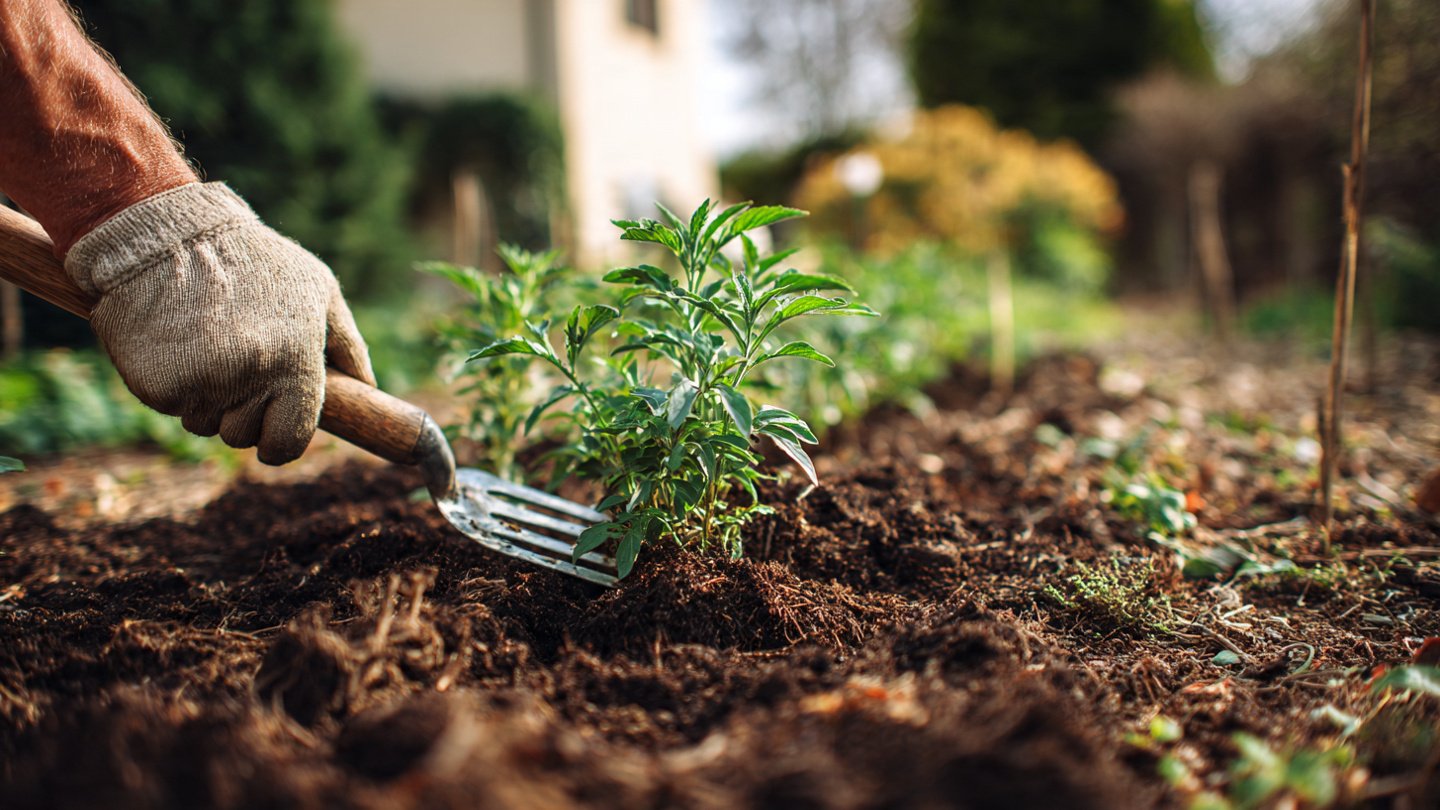
Gardening is both an art and a science, and over the years, different methods have emerged to help gardeners grow healthier plants more efficiently. One approach that has gained significant attention among professionals is the no dig gardening method. Unlike traditional gardening practices that involve extensive digging and soil turning, the no dig method promotes minimal disturbance to the soil. This technique may seem counterintuitive to some, as we often associate gardening with digging and tilling. However, professional gardeners around the world are increasingly embracing no dig gardening for its multiple ecological, practical, and health benefits.
Understanding the No Dig Method
The no dig method is based on the principle of working with the natural structure of the soil rather than disrupting it. Instead of turning the soil with a spade or rototiller, gardeners allow the soil to maintain its layers and natural ecosystem. Organic matter, such as compost or mulch, is simply added to the surface, allowing nutrients to gradually penetrate the soil. Over time, this promotes a healthy soil ecosystem where beneficial organisms like earthworms, microbes, and fungi thrive.
The concept of no dig gardening isn’t new. Its roots can be traced back to early organic and permaculture gardening philosophies, where the focus was on sustainability and minimal interference with natural processes. What is relatively recent, however, is its widespread adoption among professional gardeners, nurseries, and even large-scale agricultural projects.
The Soil Health Advantage
One of the primary reasons professionals prefer the no dig method is soil health. Traditional digging or tilling can disrupt the delicate balance of soil ecosystems. Beneath the surface, soil is teeming with microorganisms that break down organic matter and help plants absorb nutrients. Digging can destroy this microbial network and disturb soil structure, leading to compaction, erosion, and reduced fertility over time.
By leaving the soil undisturbed, the no dig method allows these beneficial organisms to thrive. Earthworms, in particular, are vital to soil health. They aerate the soil, improve drainage, and facilitate nutrient cycling. Mulching and adding compost to the surface further enrich the soil naturally, creating a self-sustaining system. Professional gardeners understand that maintaining a robust soil ecosystem is the foundation for strong, resilient plants.
Reducing Weeds Naturally
Weeds are a perennial challenge in any garden, and professional gardeners are always looking for methods that reduce their growth without resorting to chemical herbicides. No dig gardening helps in this regard. Digging the soil can bring buried weed seeds to the surface, giving them the opportunity to germinate. By avoiding disturbance, the existing weed seeds remain dormant, and the fresh layer of mulch or compost acts as a natural barrier against weed growth.
Over time, this results in significantly less weeding compared to traditional garden methods. For professionals managing large garden spaces or commercial operations, reducing time spent on weeding is a practical and economic advantage. It allows them to focus on plant care, design, and other essential tasks.
Moisture Retention and Water Efficiency
Water management is another area where no dig gardening shines. The intact soil structure, along with a thick layer of mulch, helps retain moisture by reducing evaporation. This is particularly beneficial in regions prone to drought or during hot summer months. Professional gardeners, who often work with strict budgets or environmentally conscious clients, appreciate that no dig gardens require less frequent watering while still keeping plants healthy.
Moreover, the layered approach to adding organic matter at the surface gradually improves soil texture. Over time, the soil becomes more porous and better at holding water, reducing runoff and erosion. This makes the no dig method not only practical for small home gardens but also ideal for larger-scale horticultural projects where water conservation is crucial.
Labor Efficiency and Reduced Physical Strain
Gardening can be physically demanding. Digging, turning, and tilling soil requires significant energy, and for professionals who work in gardens day after day, this can lead to fatigue or even injury. No dig gardening drastically reduces this strain. By layering compost and mulch instead of digging, gardeners save hours of labor while achieving superior results.
This is particularly important for elderly or physically limited gardeners. By adopting a no dig approach, professionals can maintain productive and visually appealing gardens without compromising their health. Additionally, the reduced need for mechanical tools minimizes fuel usage, wear and tear, and overall maintenance costs.
Promoting Biodiversity
A healthy garden is a biodiverse one. Professional gardeners understand that fostering biodiversity is essential not only for aesthetics but also for ecological balance. No dig gardening supports a wide range of organisms, from beneficial insects to pollinators and soil microbes. The untouched soil layers provide habitats for these creatures, and the organic mulch layer can attract beneficial insects that naturally control pests.
This ecological approach reduces the need for chemical interventions, creating a more sustainable and environmentally friendly garden. For professional gardeners who are conscious of sustainability and the long-term health of their garden ecosystems, the no dig method aligns perfectly with these values.
Better Plant Growth and Yield
Interestingly, the no dig method often results in healthier plants and higher yields, especially in vegetable gardens. Because the soil ecosystem remains intact and nutrient-rich, plants can access a steady supply of nutrients. Mulching and composting also regulate soil temperature and moisture, creating optimal conditions for root development.
Many professional gardeners report that crops grown using no dig principles are more resilient to pests and diseases. The healthy microbial environment in the soil can suppress pathogens, reducing the risk of infections. This makes it a favorite method among those growing edible plants, as it minimizes the need for chemical treatments while promoting organic practices.
Aesthetic and Practical Benefits
In addition to its ecological and practical advantages, no dig gardening also has aesthetic appeal. The layering technique creates neat, clean beds with rich, dark soil covered in a natural mulch. Over time, these beds become self-sustaining and low-maintenance, allowing gardens to retain a polished look year-round.
For professional landscapers and garden designers, this visual impact is important. Clients appreciate gardens that not only thrive but also look immaculate with minimal upkeep. Furthermore, the method is flexible and can be adapted to raised beds, container gardening, and even large landscapes, making it highly versatile.
Longevity and Sustainability
Finally, the no dig method is a sustainable approach that promotes long-term soil health. Traditional digging can lead to soil degradation, whereas the no dig approach builds soil fertility progressively. Professional gardeners who manage perennial gardens or long-term projects recognize the value of creating soil that improves year after year. By fostering a living soil ecosystem, they ensure that future plantings will benefit from the care taken today.
The method also reduces reliance on chemical fertilizers, herbicides, and pesticides, aligning with organic gardening principles. In an era where ecological responsibility is increasingly important, the no dig method allows professional gardeners to meet both client expectations and environmental standards.
Conclusion
The no dig gardening method has become a preferred approach among professional gardeners for good reason. Its benefits span from improved soil health and reduced weed growth to better water retention, labor efficiency, and ecological sustainability. By working with natural processes rather than against them, gardeners can cultivate thriving, resilient gardens with minimal physical strain and maintenance.
Beyond practicality, the no dig method aligns with a philosophy of respect for the soil and the environment. It supports biodiversity, encourages natural nutrient cycling, and enhances plant health. For professionals managing high-value gardens, large landscapes, or vegetable plots, the method offers measurable advantages that traditional digging cannot match.
Ultimately, no dig gardening exemplifies a shift toward smarter, more sustainable horticulture. It demonstrates that sometimes, the best results come not from hard digging and constant interference but from patience, care, and a willingness to let nature do what it does best. For anyone serious about gardening, adopting no dig practices offers not just better results but also a deeper connection to the living soil beneath our feet.