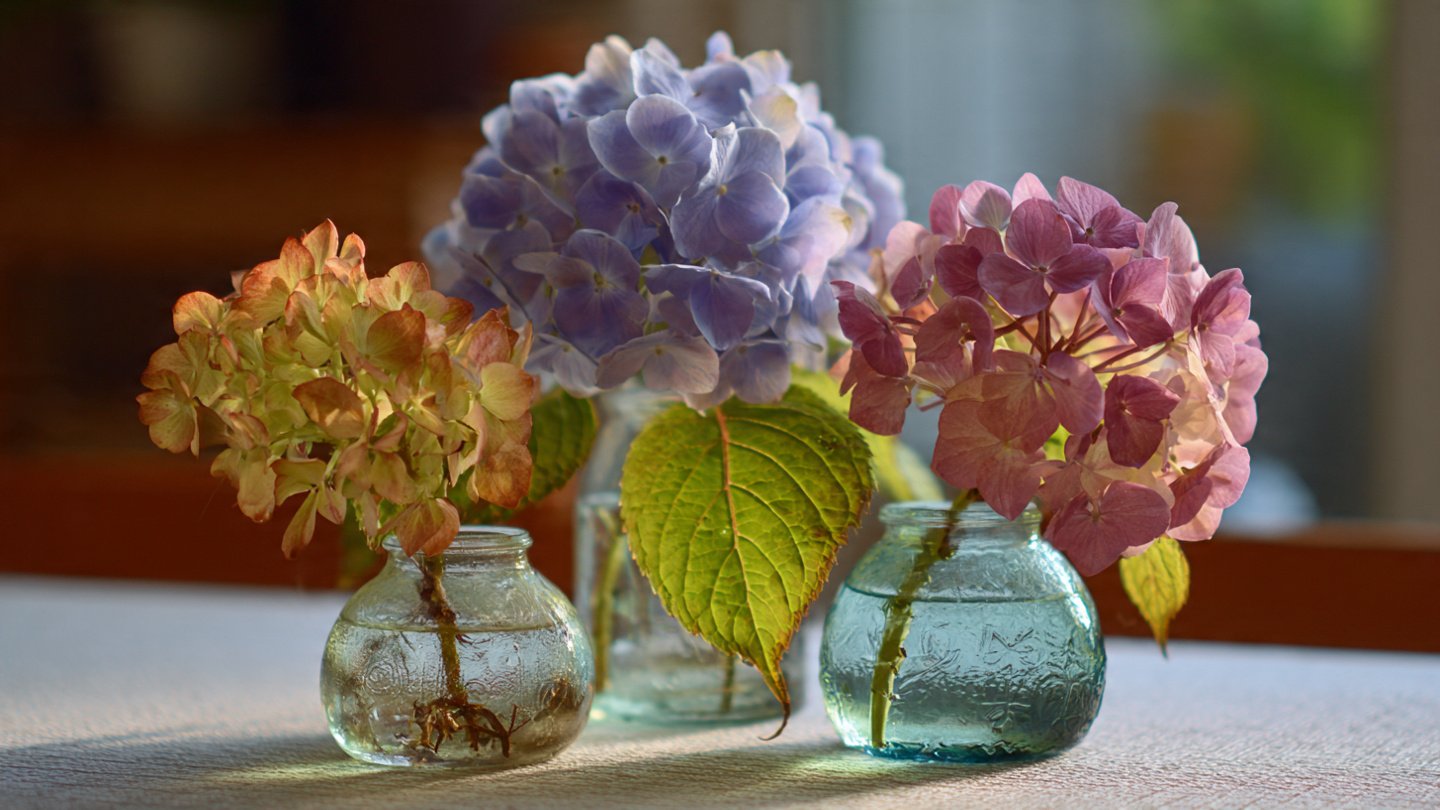
Hydrangeas are beloved for their vibrant blooms and lush foliage, making them a popular choice for gardens and indoor arrangements. Propagating hydrangeas from cuttings is a common method for expanding your plant collection, but it can be frustrating when cuttings wilt even when they appear to have enough water. Wilting is often mistakenly attributed solely to a lack of moisture, but the reality is more complex. Several underlying factors can cause hydrangea cuttings to droop, decline, or fail entirely, even in ideal watering conditions.
Understanding why cuttings wilt allows gardeners to take corrective measures and improve propagation success rates. This article explores the main reasons hydrangea cuttings wilt, how to identify the problem, and what you can do to revive and protect them.
1. Transpiration Imbalance: Water Loss Exceeds Uptake
Wilting occurs when a cutting loses water faster than it can absorb it. Even if the soil or propagation medium is moist, cuttings can wilt due to excessive transpiration through leaves. Young cuttings have no established root system, so their water uptake is limited. Factors that accelerate transpiration include:
- High temperatures: Heat causes leaves to lose water rapidly.
- Strong sunlight: Direct sun increases evaporation from leaf surfaces.
- Low humidity: Indoor environments or dry air can exacerbate water loss.
- Wind or drafts: Even mild airflow around the cutting can speed up dehydration.
Solution: Reduce transpiration stress by providing filtered sunlight, increasing ambient humidity with a humidity dome or plastic cover, and keeping cuttings in a stable, draft-free environment. Mist the leaves lightly, but avoid over-saturating them.
2. Root Development Has Not Occurred
Hydrangea cuttings rely entirely on water stored in their stems until roots develop. Wilting often signals that the cutting has not formed roots or root growth is slow. Even with ample water, the plant cannot transport moisture effectively to the leaves without roots.
Signs of insufficient rooting:
- Leaves droop consistently despite frequent watering.
- Stem tips soften or feel limp.
- New leaf growth is absent.
Solution: Encourage rooting by using rooting hormone when preparing cuttings, maintaining a warm propagation temperature (around 70–75°F / 21–24°C), and ensuring the medium is well-draining but consistently moist. Patience is crucial—hydrangea cuttings can take 2–4 weeks or longer to root, depending on the variety and conditions.
3. Overwatering and Poor Drainage
Paradoxically, too much water can cause cuttings to wilt. Overwatering or planting cuttings in waterlogged soil leads to root or stem rot, preventing water absorption and causing leaves to droop.
Common symptoms of overwatering:
- Leaves turn yellow or brown before wilting.
- Stems feel soft or mushy near the base.
- Fungal growth may appear on the medium or stem.
Solution: Use a light, well-draining medium such as a mix of perlite and peat moss or sand. Water sparingly, ensuring the soil remains damp but not saturated. If using a container, make sure there are adequate drainage holes. Allow excess water to drain, and avoid standing water around the cutting.
4. Stem Damage or Improper Cutting Technique
Cutting technique has a major impact on the survival of hydrangea cuttings. If stems are damaged, crushed, or cut at the wrong angle, water transport is compromised, leading to wilting.
Key cutting guidelines:
- Use clean, sharp pruning shears to avoid crushing the stem.
- Make a 45-degree cut just below a node to maximize water absorption.
- Remove excess leaves or large foliage to reduce transpiration stress.
- Avoid cutting during the hottest part of the day or when the plant is under stress.
Even minor damage to the stem’s vascular tissue can prevent water from reaching leaves, causing wilting despite adequate moisture.
5. Environmental Stressors
Hydrangea cuttings are sensitive to environmental conditions. Factors such as temperature fluctuations, drafts, low humidity, and sudden changes in light can trigger wilting. Even slight stress can overwhelm the cutting before roots have a chance to develop.
Tips to reduce environmental stress:
- Maintain a stable temperature around 70–75°F (21–24°C).
- Avoid placing cuttings near air conditioning vents, heaters, or fans.
- Keep cuttings in indirect light rather than direct sunlight.
- Use a clear plastic bag or propagation dome to increase humidity gradually.
By stabilizing the environment, you reduce the stress on the cutting, giving it a better chance to thrive.
6. Disease and Fungal Infection
Wilting cuttings may also be a sign of disease or fungal infection. Pathogens thrive in warm, damp conditions, which are common in propagation setups. Diseases such as stem rot, powdery mildew, or fungal blight can cause wilting despite proper watering.
Preventive measures:
- Sterilize cutting tools before use to prevent contamination.
- Remove any leaves or stems that show signs of mold or rot.
- Avoid overcrowding cuttings in propagation trays to improve airflow.
- Use a mild fungicide if you notice early signs of fungal infection.
Healthy cuttings in clean media are less likely to wilt due to disease. Prevention is more effective than treatment after the fact.
7. Nutrient Deficiency
While nutrient deficiency is less critical during the initial rooting phase, cuttings that remain in the propagation medium for extended periods may start to wilt if they lack access to essential nutrients.
Signs of nutrient stress:
- Leaves pale, yellowing, or curling.
- Growth slows or stops entirely.
- Wilting persists even with proper watering.
Solution: Once roots are established, transplant cuttings into a nutrient-rich potting mix or lightly feed with a diluted liquid fertilizer to support healthy growth. Avoid fertilizing too early, as young cuttings are more susceptible to fertilizer burn.
8. Corrective Measures for Wilting Hydrangea Cuttings
If your hydrangea cuttings are already wilting, you can try these rescue techniques:
- Trim leaves: Remove half of the leaves to reduce water loss through transpiration.
- Recut the stem: Slice the bottom of the cutting under water to open fresh vascular tissue.
- Increase humidity: Place the cutting under a dome or inside a clear plastic bag with ventilation holes.
- Adjust light and temperature: Move cuttings to a stable, bright, indirect light location.
- Check the medium: Ensure it is damp but well-draining. If soggy, transplant to fresh medium immediately.
Prompt action can sometimes save cuttings that are wilting due to temporary stress rather than root failure.
9. Prevention Strategies for Future Cuttings
Preventing wilting is always better than trying to reverse it. Some strategies for healthier hydrangea cuttings include:
- Select healthy parent plants: Use disease-free, vigorous stems for propagation.
- Use sharp, sterilized tools: Prevent vascular damage and contamination.
- Maintain proper humidity: Cover cuttings to retain moisture while avoiding fungal growth.
- Avoid extreme conditions: Keep cuttings away from direct sun, drafts, or fluctuating temperatures.
- Monitor regularly: Check moisture, leaf condition, and signs of rot daily.
By paying attention to these factors, you increase the likelihood of successful propagation and reduce the chances of wilting.
Conclusion
Wilting hydrangea cuttings can be frustrating, especially when you’ve provided ample water. However, water alone is not always the solution. Wilting can result from a combination of factors including high transpiration, delayed rooting, overwatering, stem damage, environmental stress, disease, or nutrient deficiency.
By understanding these underlying causes and taking proactive steps—such as maintaining stable conditions, using proper cutting techniques, providing humidity, and monitoring for disease—you can significantly improve your success rate. Healthy, well-prepared cuttings will root faster and grow into strong, vibrant hydrangeas, allowing you to enjoy the beauty of these classic plants in your garden or home.
With patience, careful attention, and proper technique, wilting cuttings can be minimized, giving your hydrangeas the best chance to thrive from stem to full bloom.