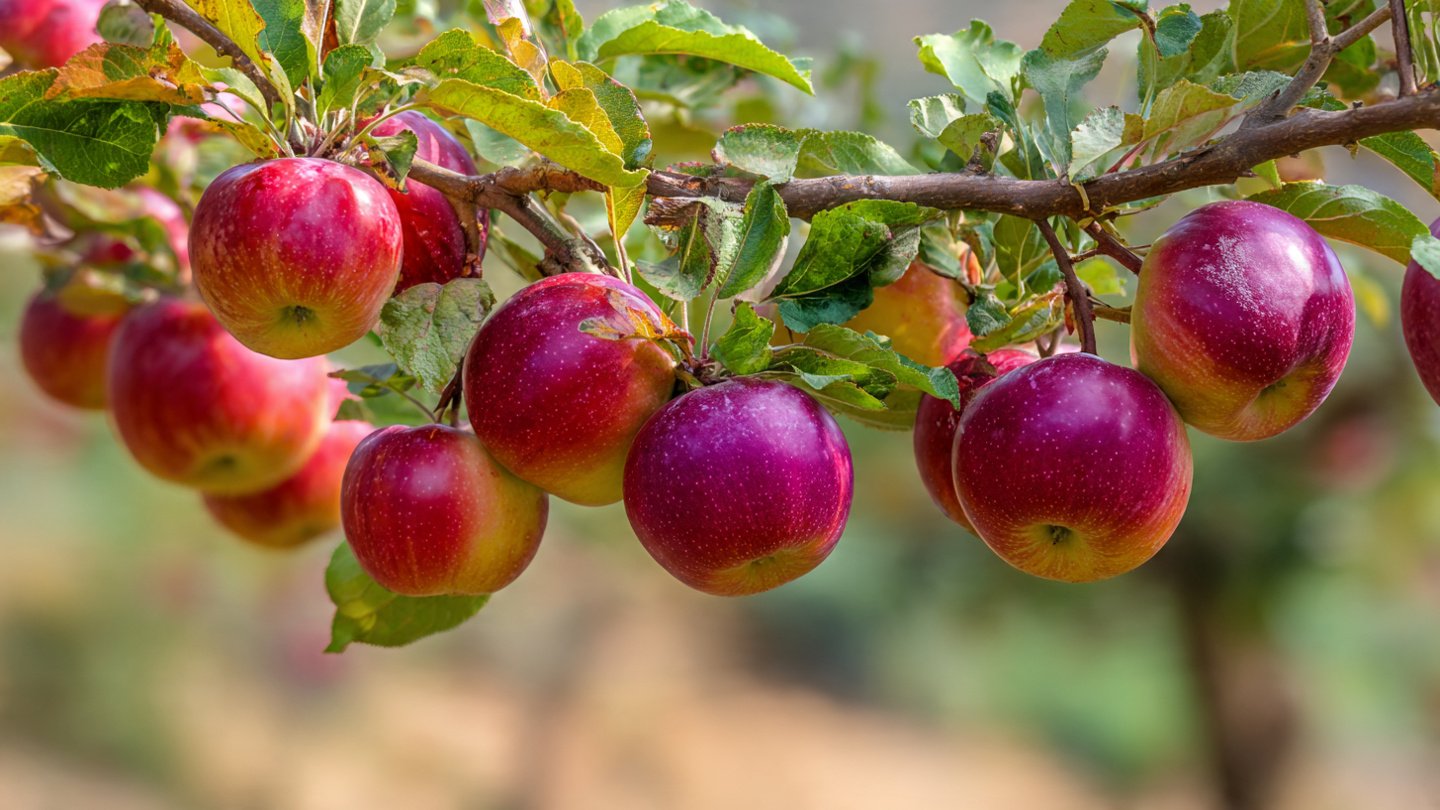
Fruit trees are a cornerstone of productive gardens and orchards, offering shade, beauty, and delicious harvests year after year. However, one common issue that gardeners often face is leaning trees. A tree that leans isn’t just an aesthetic concern—it can signal underlying structural problems, unstable roots, or environmental stress that can affect fruit production and even risk the tree falling. Fortunately, leaning fruit trees can often be corrected with proper identification of the cause and effective bracing techniques. This guide explores why fruit trees lean and how to stabilize them for healthy, strong growth.
Common Causes of Leaning Fruit Trees
Understanding why a fruit tree leans is the first step in addressing the problem. Leaning can result from a combination of environmental, structural, and care-related factors.
1. Shallow or Weak Root Systems
Many fruit trees, especially younger ones, develop shallow roots that do not anchor the tree effectively. Factors contributing to weak roots include:
- Poor soil structure: Compacted or sandy soils prevent roots from penetrating deeply.
- Transplant shock: Newly planted trees may not have fully established roots.
- Root damage: Physical injury during planting, digging, or pests can compromise stability.
Trees with weak roots are prone to leaning, particularly after heavy rain or wind.
2. Wind and Environmental Stress
Strong winds are a common culprit for leaning trees. Even mature trees can be affected if they are exposed to consistent wind pressure without protection. Other environmental factors include:
- Heavy rainfall: Saturated soil reduces friction between roots and soil, making trees more likely to tilt.
- Sloped ground: Planting on uneven terrain can cause natural leaning over time.
- Snow or ice load: Winter weather can weigh down branches, shifting the tree’s center of gravity.
Trees exposed to repeated environmental stressors may gradually lean without intervention.
3. Uneven Canopy Growth
Sometimes, a tree leans simply because its growth is lopsided. When one side of the tree develops more branches or leaves than the other, the imbalance creates a physical pull, causing the tree to tilt. Uneven growth can result from:
- Directional sunlight: Trees growing toward light sources may develop heavier branches on one side.
- Pruning practices: Excessive trimming on one side or neglect on the other can create imbalance.
- Fruit load: Heavy clusters of fruit on one side can pull the trunk sideways.
Addressing the canopy’s weight distribution is essential in combination with root and trunk support.
4. Soil Erosion or Compaction
Soil instability can cause leaning over time. Common issues include:
- Erosion: Rain runoff or sloped gardens can wash away soil from one side of the tree, reducing root support.
- Compaction: Hard, dense soil prevents root expansion, weakening the tree’s anchorage.
- Water pooling: Saturated soil softens the root zone, making the tree more likely to tip.
Monitoring soil conditions and correcting compaction or erosion issues is critical for long-term stability.
Assessing the Severity of the Lean
Before attempting any bracing method, it’s important to evaluate the lean:
- Angle of Lean: A slight tilt of 5–10 degrees in a young tree may self-correct as roots strengthen, but angles greater than 15–20 degrees typically require intervention.
- Root Exposure: If roots are visible above soil or soil around roots is eroding, the tree may need immediate support.
- Trunk Condition: Check for cracks, splits, or damage at the base, which may compromise the effectiveness of bracing.
- Fruit Load: Heavy fruit on the leaning side increases the risk of tipping, especially in younger trees.
Proper assessment ensures you choose the correct bracing strategy to protect both the tree and your garden.
Effective Bracing Techniques for Leaning Trees
Bracing a fruit tree stabilizes it while allowing roots to establish and the trunk to strengthen. Several methods are effective depending on tree size, age, and lean severity.
1. Stake Bracing
Staking is the most common method for young or newly planted trees:
- Materials Needed: Strong wooden or metal stakes, durable twine, and soft ties.
- Placement: Drive 2–3 stakes into the ground around the tree at a distance slightly beyond the root zone.
- Securing the Tree: Use soft ties or straps to attach the trunk to the stakes. Ensure ties are loose enough to allow slight trunk movement; this encourages root and trunk strengthening.
- Duration: Typically, stakes remain for 1–2 growing seasons. Remove them once the tree can stand independently.
Staking is simple, effective, and prevents further leaning while roots take hold.
2. Guying or Anchor Bracing
For larger trees or more severe leans, guying uses ropes or cables attached to anchors in the soil:
- Materials Needed: Strong nylon ropes, metal anchors or stakes, padding to protect bark.
- Anchor Placement: Install anchors in firm soil in multiple directions around the tree.
- Attaching the Tree: Use padded straps to attach the trunk to the anchors. Tighten gradually, correcting the lean slowly over several weeks.
- Adjustments: Monitor tension regularly to avoid cutting into the bark or causing stress.
Guying distributes force evenly, allowing larger trees to correct their lean without risk of breakage.
3. Soil Mounding or Root Support
In cases where lean is caused by weak soil or root exposure, adding soil or mulch around the base can provide extra support:
- Soil Mounding: Gradually build soil around the root zone on the side opposite the lean. Compact lightly to prevent slumping.
- Mulching: Apply organic mulch to stabilize the soil, retain moisture, and encourage root growth.
- Root Encouragement: Water and fertilize lightly to stimulate root development on the weaker side.
Combining soil support with staking or guying ensures the tree develops both above-ground and below-ground stability.
4. Correcting Uneven Canopy Growth
Balancing the weight of branches can help reduce lean:
- Pruning: Trim overgrown branches on the heavier side to redistribute weight. Avoid heavy pruning that stresses the tree.
- Fruit Thinning: If fruit load is unbalanced, selectively thin clusters to prevent tipping.
- Training: Use soft ties to gently guide branches in the desired direction over time.
Correcting the canopy ensures that leaning does not recur once the trunk is stabilized.
Maintenance After Bracing
After installing support, ongoing care is essential to prevent further leaning and promote healthy growth:
- Regular Inspections: Check ties, stakes, or anchors monthly to prevent girdling or loosening.
- Adjustments: Gradually tighten or loosen supports as the tree strengthens.
- Pruning: Continue to prune lightly to maintain balance and airflow.
- Fertilization and Watering: Encourage strong root growth with proper watering, compost, or balanced fertilizers.
- Pest and Disease Monitoring: A stable tree is still susceptible to pests or fungal diseases, which can weaken it if ignored.
Maintaining your braced tree ensures it grows upright naturally and produces healthy fruit for years to come.
When to Call a Professional
Some situations require professional intervention:
- Trees with severe trunk cracks or splits.
- Mature trees over 10–15 feet tall that lean significantly.
- Leaning trees on slopes or near structures where failure could cause damage.
Arborists have the tools and expertise to brace, prune, or even reposition trees safely. Consulting a professional can prevent costly mistakes or tree loss.
Conclusion
Leaning fruit trees are a common challenge, but one that can often be corrected with observation, assessment, and proper bracing. Understanding the root causes—weak roots, wind stress, uneven canopy growth, or soil instability—allows gardeners to address the underlying problem rather than just the symptom.
Effective bracing techniques, including staking, guying, and soil mounding, combined with canopy management, can restore balance and stability. Regular maintenance, careful monitoring, and timely adjustments ensure the tree grows upright and strong, producing abundant fruit for years to come.
By taking a proactive approach, gardeners can protect their fruit trees, enhance orchard aesthetics, and enjoy bountiful harvests without risking tree failure. Leaning fruit trees are not a lost cause; with the right care and techniques, they can thrive and stand tall once again.