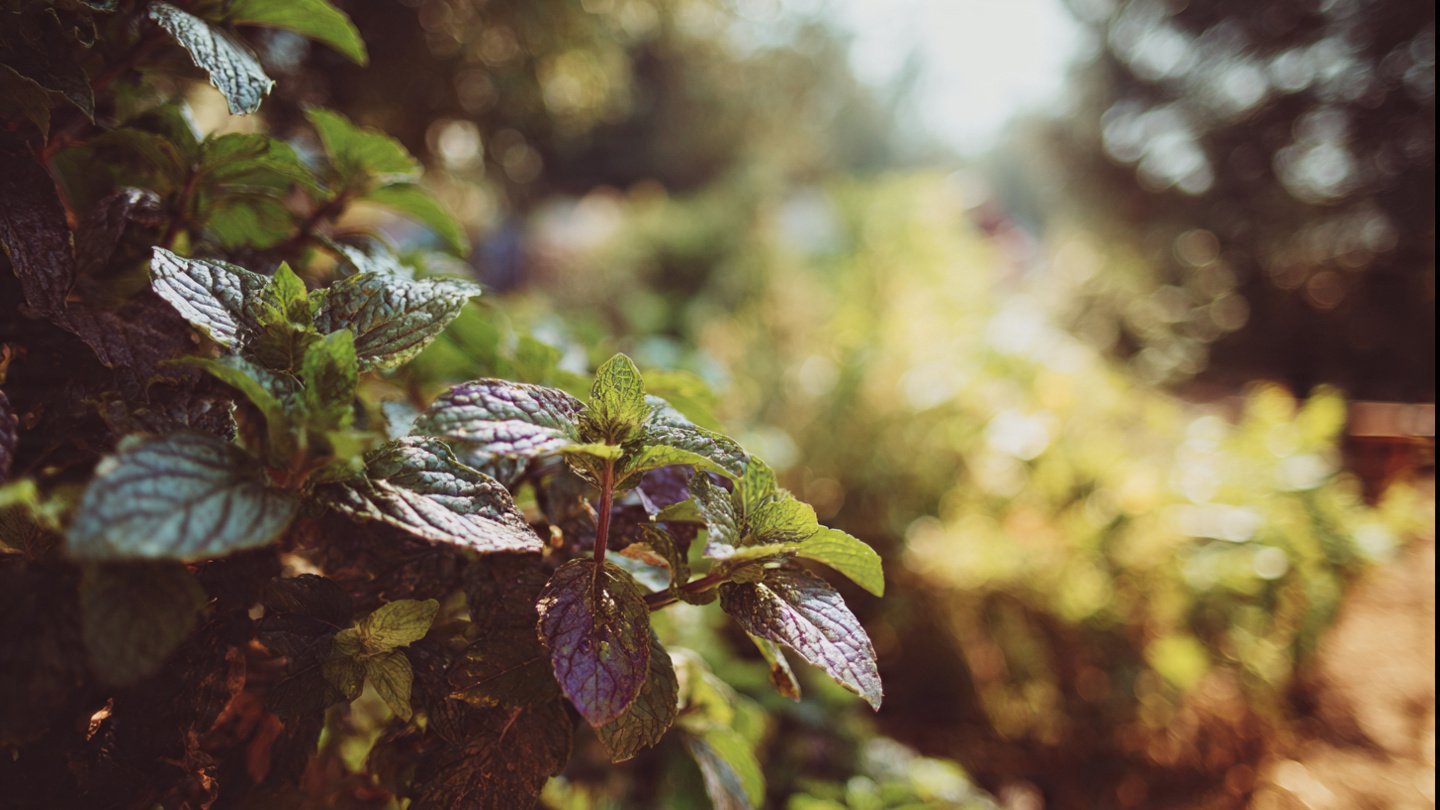
Summer can bring beauty to a garden: vibrant flowers, ripening vegetables, and long, sun-soaked days. Yet, for many gardeners, the season of warmth also brings frustration. Plants may wilt despite regular watering, leaves can yellow and curl, and fruit production often declines. Understanding what lies behind your garden’s struggles in the heat is the first step to overcoming these challenges. Heat stress affects plants in complex ways, combining environmental pressures with soil conditions, watering habits, and plant biology. By identifying the causes and implementing thoughtful strategies, gardeners can not only survive the hot months but thrive in them.
Heat Stress: The Invisible Threat
Heat stress occurs when plants are exposed to temperatures that exceed their optimal growth range. Unlike animals, plants cannot move to escape extreme heat, so they rely on physiological processes to cope. When temperatures rise, plants may close their stomata—tiny openings on leaves responsible for gas exchange—to conserve water. While this reduces water loss, it also limits photosynthesis, the process by which plants produce energy. As a result, growth slows, leaves yellow, and flowers may fail to set fruit.
Additionally, extreme heat can accelerate respiration, causing plants to consume more energy than they produce. This imbalance can weaken the plant over time, leaving it more susceptible to pests and disease. Even hardy species are not immune; prolonged periods of high temperatures can stress them, especially if combined with low soil moisture or poor nutrition.
Soil Conditions and Their Role
One of the most common underlying issues in heat-stressed gardens is soil condition. Hot weather can rapidly dry out topsoil, especially in sandy soils with low water retention. This makes it difficult for roots to access the moisture they need. Compacted or poorly structured soil compounds the problem by restricting root growth and limiting oxygen availability.
Heat also affects microbial activity in the soil. Beneficial bacteria and fungi that help plants absorb nutrients are sensitive to temperature extremes. In hot, dry soils, microbial populations can decline, reducing nutrient availability and further weakening plants. Mulching, composting, and maintaining organic matter can help mitigate these effects by improving moisture retention and supporting healthy soil biology.
Watering Challenges in High Temperatures
Proper watering is crucial during hot periods, yet it is also one of the most misunderstood aspects of summer gardening. Overwatering and underwatering can both cause plant stress, and the ideal approach depends on soil type, plant species, and local climate conditions.
Underwatering leads to wilting, dry leaf edges, and reduced flowering or fruiting. During extreme heat, plants may lose water faster than roots can absorb it, creating a cycle of stress that weakens them.
Overwatering, on the other hand, can drown roots and deplete oxygen in the soil. In hot weather, water evaporates quickly from the surface, tempting gardeners to water more frequently, but shallow watering encourages roots to remain near the surface, making them vulnerable to drying out. Deep, infrequent watering encourages roots to grow downward, improving resilience during heatwaves.
Sun Exposure: Too Much of a Good Thing
Sunlight is essential for plant growth, but excessive exposure can lead to sunburn, scorched leaves, and stress-related growth problems. Plants not suited to full sun may show signs of distress, including bleached or brown patches on leaves and reduced flower production.
Even sun-loving species can struggle if heat coincides with intense sunlight, particularly in regions where temperatures climb above the plant’s tolerance threshold. Providing shade, using row covers, or strategically planting taller species to protect more delicate plants can help mitigate the damaging effects of intense sun.
Nutrient Imbalances in Hot Weather
Heat can also impact a plant’s ability to take up and use nutrients. When soil temperatures rise, chemical processes accelerate, sometimes causing nutrients to leach away faster or become temporarily unavailable. Nitrogen deficiency, for example, can cause yellowing leaves, while potassium deficiency can make plants more susceptible to heat stress and poor fruit development.
Fertilizing during peak heat should be done carefully. Applying strong, concentrated fertilizers can burn roots and worsen stress. Instead, gardeners can use slow-release or organic fertilizers to provide steady nutrition without shocking plants. Foliar feeding—spraying nutrient solutions directly on leaves—can also help during short periods of extreme heat, giving plants an immediate boost when root uptake is limited.
Pests and Diseases Thrive in the Heat
Heat stress weakens plants, making them more vulnerable to pests and diseases. Insects such as spider mites, aphids, and whiteflies often become more active in hot, dry conditions, feeding aggressively on stressed plants. Fungal and bacterial infections may also flare when plants are already weakened, especially if irrigation creates a humid microclimate around leaves.
Preventing pest and disease issues requires a combination of strategies: maintaining healthy, well-watered plants, ensuring good air circulation, and inspecting plants regularly. Mulching can reduce soil splashing that spreads pathogens, while companion planting and beneficial insects can naturally keep pest populations in check.
Timing and Plant Selection
Many garden struggles in the heat are avoidable with careful timing and plant selection. Heat-tolerant varieties of vegetables, flowers, and shrubs are bred to withstand high temperatures and prolonged sunlight. Planting early in the season allows crops to establish before peak heat, while staggering planting dates can extend harvest periods and reduce stress on individual plants.
Perennials often handle heat better than annuals, as their established root systems allow them to access deeper soil moisture. Selecting native species or plants adapted to the local climate reduces the need for excessive intervention, making gardens more resilient during summer extremes.
Microclimates in the Garden
Even small gardens contain microclimates—areas with slightly different temperature, light, and wind conditions. Understanding these variations allows gardeners to place plants in spots where they are most likely to thrive. For example, a shaded corner may be ideal for delicate greens, while a sunny slope can support heat-loving tomatoes or peppers. Creating shade with trellises, pergolas, or temporary covers can also help plants avoid heat stress during peak hours.
Signs of Heat Stress to Watch For
Recognizing early signs of heat stress is key to preventing long-term damage. Common indicators include:
- Wilting or drooping leaves, often appearing in the afternoon and recovering at night.
- Leaf curling or yellowing, sometimes with scorched edges.
- Reduced flowering or fruit set.
- Leaf drop or premature leaf shedding.
- Stunted growth and weakened stems.
Monitoring these symptoms allows gardeners to respond quickly with targeted watering, shading, or other interventions.
Strategies to Rescue and Protect Your Garden
To address heat-related struggles, gardeners can implement several practical strategies:
- Mulch Extensively: Mulching conserves soil moisture, moderates soil temperature, and prevents rapid evaporation. Organic mulches like straw, wood chips, or compost also enrich the soil as they break down.
- Water Wisely: Deep, early-morning watering reduces evaporation and allows roots to access water before the heat intensifies. Avoid shallow, frequent watering that encourages weak root systems.
- Shade When Needed: Temporary shade structures, row covers, or strategically planting taller crops nearby can protect vulnerable plants from direct sun.
- Amend Soil: Adding organic matter improves water retention and nutrient availability, giving plants a buffer against heat stress.
- Choose Resilient Plants: Focus on heat-tolerant species, native plants, and varieties bred for high-temperature resilience.
- Prune Carefully: Avoid heavy pruning during heatwaves, as it can increase stress. Instead, remove dead or diseased growth to promote air circulation without shocking the plant.
- Monitor Nutrients: Provide balanced, slow-release fertilizers and consider foliar feeding if soil uptake is limited by heat or drought.
- Watch for Pests: Regular inspections allow early intervention before pest populations explode. Encourage beneficial insects and consider natural treatments when necessary.
Conclusion
Heat-related garden struggles are rarely caused by a single factor. They are the result of interconnected issues: high temperatures, soil conditions, water management, nutrient availability, sun exposure, pests, and plant selection all play a role. By understanding these underlying causes, gardeners can implement targeted strategies to protect and strengthen their plants.
Summer gardening is a test of skill, observation, and patience. Recognizing the signs of heat stress, adjusting care routines, and selecting appropriate plants can transform a struggling garden into a thriving oasis. Beyond technical interventions, heat challenges remind gardeners of the delicate balance between nature and cultivation. With preparation, awareness, and a little adaptation, your garden can not only survive the heat—it can flourish, bringing beauty, abundance, and satisfaction even during the sunniest days.