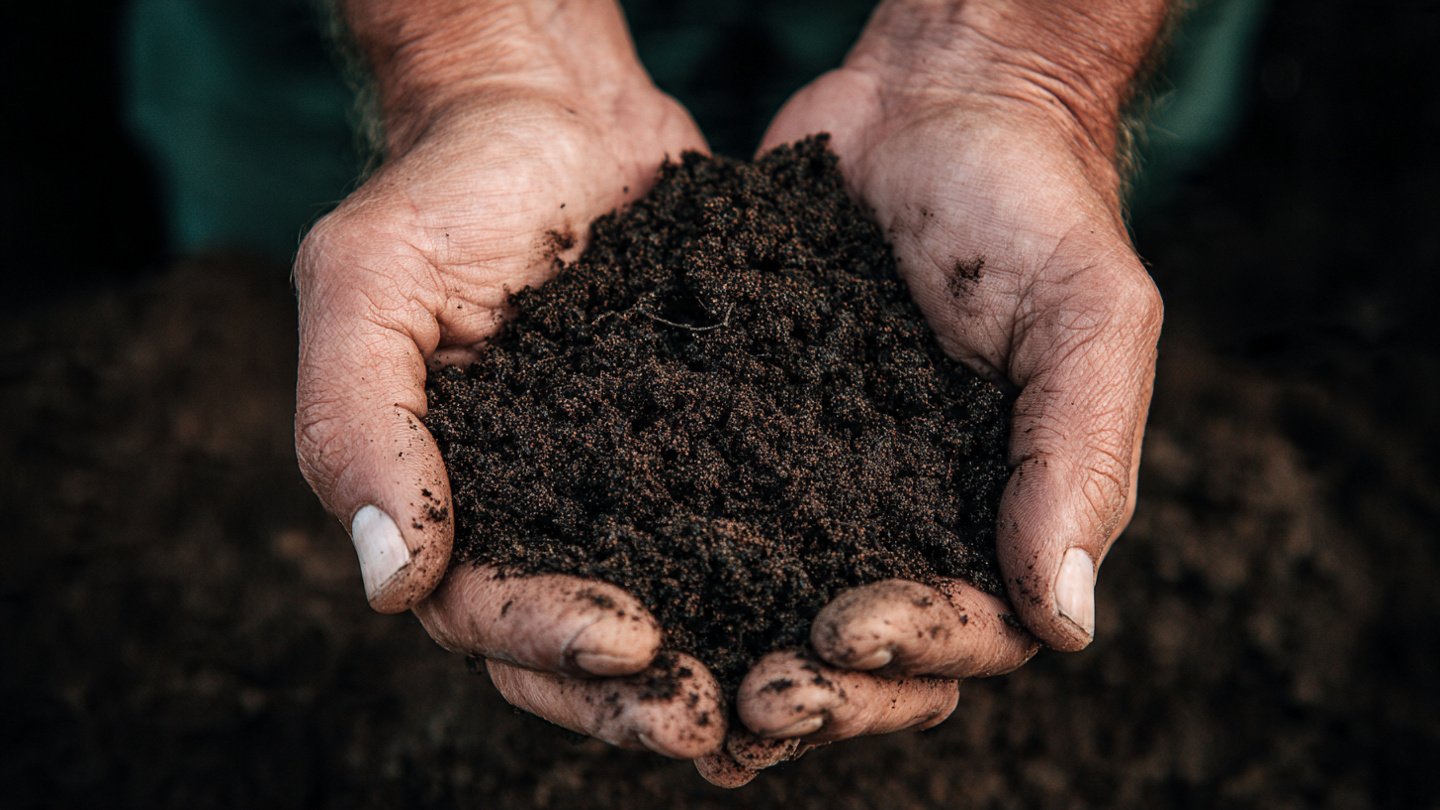
Growing vegetables in 100 percent pure compost might sound like a gardener’s dream—rich, organic soil teeming with nutrients—but it comes with some surprising challenges. Here’s a detailed breakdown of what happens:
1. Extremely Rich Nutrient Levels
Pure compost is packed with nutrients: nitrogen, phosphorus, potassium, and trace minerals. This abundance can accelerate plant growth, especially leafy greens, which may initially look lush and healthy. However, too much nutrient concentration, particularly nitrogen, can lead to:
- Excessive leaf growth at the expense of fruits or roots (e.g., tomato plants producing lots of leaves but few tomatoes).
- “Burning” of seedlings, where tender roots are damaged by overly strong nutrients or high salt content.
Compost is not a balanced growing medium by itself—it’s designed to amend soil, not replace it entirely.
2. Poor Drainage and Water Retention Issues
Pure compost often has a dense, sticky texture. While it holds water well, it can also retain too much moisture, leading to:
- Root rot, as waterlogged roots cannot access oxygen.
- Fungal diseases, such as damping-off in seedlings.
- Stunted growth in plants sensitive to soggy conditions.
Vegetables generally prefer a loose, airy soil mix that allows roots to breathe and spread. Compost alone doesn’t provide this structure.
3. pH Imbalances
Depending on its source materials, compost can have a slightly acidic or alkaline pH, sometimes outside the ideal range for vegetables (around 6.0–7.0). Growing in 100% compost may cause:
- Reduced nutrient uptake if the pH is too high or too low.
- Poor germination of seeds sensitive to pH changes.
Mixing compost with garden soil or sand usually balances pH and nutrient levels.
4. Temperature Sensitivity
Fresh compost, especially if it’s still decomposing, can generate heat. Planting vegetables directly in warm compost can:
- Damage or kill seeds and seedlings.
- Delay root establishment in young plants.
Mature, fully cured compost reduces this risk but pure compost can still retain more heat than a typical soil blend.
5. Beneficial Microbes vs. Competition
Compost is alive with microorganisms that help decompose organic matter and support plant health. In pure compost:
- Beneficial microbes thrive, which can enhance nutrient cycling.
- But high microbial activity can also compete with plants for nitrogen in early stages, temporarily reducing availability.
A soil-compost mix provides a better balance of microbes and plant access to nutrients.
✅ Best Practice for Using Compost
Instead of using 100% compost, most gardeners follow these guidelines:
- Mix compost with soil at a ratio of 1:1 or 1:2 (compost:soil).
- Ensure the soil has good drainage and structure, e.g., sandy or loamy soil with compost.
- Cure compost fully before planting to prevent heat damage or nutrient burn.
- Monitor pH and moisture, adjusting with lime, sand, or mulch if needed.
This approach maximizes the benefits of compost while avoiding its downsides.
Bottom Line
Growing vegetables in 100% pure compost is rarely ideal. While you’ll get nutrient-rich soil, plants may suffer from root burn, poor drainage, pH imbalance, and excessive microbial activity. Compost is best used as an amendment to improve soil fertility and structure, not as the sole growing medium.
With the right mix—compost combined with garden soil or other organic materials—you can create a perfect environment for vegetables to thrive without risking the common pitfalls of pure compost.