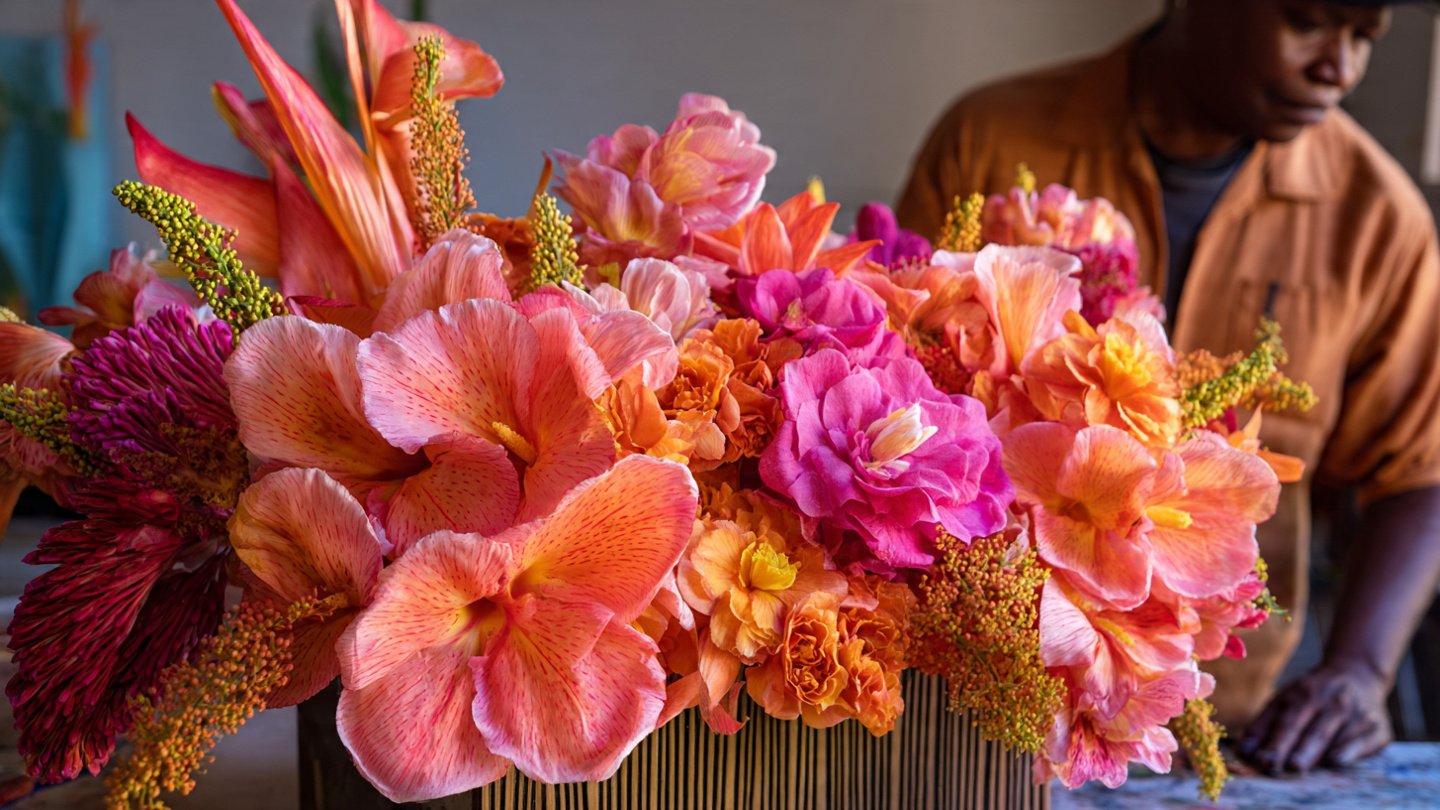
Tropical flowers bring vibrant color, lush foliage, and exotic beauty to gardens and homes, but their sensitivity to cold temperatures makes winter a challenging season. Many gardeners assume tropical plants are disposable once frost arrives, yet with the right strategies, most tropical flowers can survive winter and thrive again in spring. Overwintering is not simply about keeping plants alive; it is about preserving their strength, health, and beauty so they return even better the following season. Understanding hidden strategies for overwintering tropical flowers can save money, protect beloved plants, and extend years of enjoyment.
Understanding Why Tropical Flowers Struggle in Winter
Tropical flowers evolved in warm, stable climates where temperatures rarely drop and daylight remains fairly consistent. When exposed to cold, reduced light, and dry indoor air, these plants experience stress that slows growth and weakens their defenses. Frost damages plant cells, while cold soil limits nutrient uptake. Even mild temperature drops can cause leaf drop, dormancy, or rot.
Recognizing that winter stress is environmental rather than a sign of plant failure helps gardeners approach overwintering with the right mindset. The goal is not rapid growth, but survival with minimal stress until favorable conditions return.
Choosing Which Tropical Flowers to Overwinter
Not all tropical plants need the same overwintering approach. Some tropical flowers, such as hibiscus, bougainvillea, mandevilla, geraniums, and begonias, overwinter exceptionally well indoors or in protected spaces. Others may prefer dormancy rather than active growth.
Before winter arrives, evaluate which plants are worth overwintering based on size, health, sentimental value, and space availability. Strong, disease-free plants adapt far better than stressed or damaged ones. Selecting the healthiest specimens increases overwintering success dramatically.
Preparing Plants Before Cold Weather Arrives
Successful overwintering begins well before winter. Gradual preparation reduces shock and helps plants adjust. As temperatures begin to cool, reduce fertilization to slow growth and prevent weak, tender shoots. Prune lightly to remove dead, damaged, or overly long stems, improving airflow and making plants easier to manage indoors.
Inspect plants carefully for pests such as aphids, spider mites, or whiteflies. These pests multiply quickly indoors if not addressed. Washing leaves with water or applying gentle treatments before bringing plants inside prevents infestations from spreading.
Timing the Transition Indoors
One of the most overlooked strategies is timing. Tropical flowers should be moved indoors before nighttime temperatures consistently fall below their tolerance level, usually around fifty degrees Fahrenheit. Waiting too long exposes plants to cold stress that weakens them before overwintering even begins.
The transition indoors should be gradual when possible. Bringing plants inside overnight and returning them outdoors during the day for a week helps them adjust to lower light levels and reduced airflow. This gradual acclimation minimizes leaf drop and shock.
Creating the Right Indoor Environment
Light is one of the most critical factors for overwintering tropical flowers. While many tropical plants tolerate lower light in winter, insufficient light leads to leggy growth, leaf loss, and decline. Place plants near bright windows, preferably facing south or west. Supplemental grow lights provide consistency when natural light is limited.
Temperature stability matters more than warmth alone. Most tropical flowers prefer indoor temperatures between sixty and seventy-five degrees Fahrenheit. Avoid placing plants near heating vents, radiators, or cold drafts, as fluctuating temperatures increase stress.
Managing Humidity for Tropical Plants
Indoor winter air is often dry, especially in heated homes, which can cause leaf browning, curling, and drop. Tropical flowers thrive in higher humidity, making moisture management a hidden but essential strategy.
Humidity trays, grouping plants together, or using a humidifier can significantly improve conditions. Light misting helps temporarily, but consistent ambient humidity is far more effective. Maintaining moderate humidity reduces stress and discourages pests like spider mites.
Adjusting Watering Practices
Watering habits must change during overwintering. Tropical flowers grow more slowly in winter, using less water. Overwatering is one of the most common causes of overwintering failure, leading to root rot and fungal issues.
Allow the top layer of soil to dry slightly between waterings, but never let plants dry out completely. Water thoroughly but less frequently, ensuring excess moisture drains away. Using room-temperature water prevents root shock and supports healthier root systems.
Reducing Fertilization Strategically
One hidden strategy is knowing when not to feed. Most tropical flowers do not require regular fertilization during winter dormancy or slow growth. Feeding during this period can encourage weak growth that struggles in low light conditions.
If plants continue growing actively under bright light, a very diluted fertilizer applied sparingly may be beneficial. Otherwise, withholding fertilizer until spring allows plants to rest and conserve energy naturally.
Encouraging Rest Without Complete Dormancy
Unlike hardy perennials, many tropical flowers do not enter full dormancy. Instead, they experience a resting phase. Allowing plants to slow down without forcing active growth improves overwintering success.
Avoid heavy pruning, excessive watering, or frequent moving during winter. Stability allows plants to adapt and maintain internal balance. Minor leaf drop is normal and should not cause alarm as long as stems remain healthy.
Dealing With Leaf Drop and Appearance Changes
One of the most discouraging overwintering challenges is leaf drop. Many tropical flowers shed some leaves when moved indoors due to reduced light and humidity changes. This does not mean the plant is dying.
Focus on stem health rather than leaf count. As long as stems remain firm and green beneath the surface, the plant is alive. New growth often appears once conditions stabilize or when spring approaches.
Pest Monitoring Throughout Winter
Indoor environments can create ideal conditions for pests if plants are stressed. Regular inspection is a crucial hidden strategy. Check leaf undersides, stems, and soil surfaces weekly for signs of pests.
If pests appear, address them early using gentle methods such as wiping leaves, rinsing plants, or applying mild treatments. Healthy, stress-free plants are far less susceptible to infestations.
Overwintering Tropical Bulbs and Tubers
Some tropical flowers, such as cannas, caladiums, and dahlias, can be overwintered as dormant bulbs or tubers. Once foliage dies back, carefully lift bulbs, allow them to dry, and store them in a cool, dry, frost-free location.
Storing bulbs properly prevents rot and dehydration. Periodic inspection ensures they remain firm and healthy until replanting in spring.
Using Protected Outdoor Spaces
Not all tropical flowers need to be brought fully indoors. Greenhouses, sunrooms, enclosed porches, and garages with windows can provide sufficient protection while maintaining cooler temperatures. These spaces often mimic natural resting conditions better than heated living areas.
Ensure adequate light and protection from freezing temperatures. Even minimal insulation can significantly extend overwintering options.
Preparing for the Spring Transition
As winter ends, reintroducing tropical flowers to outdoor conditions requires patience. Sudden exposure to direct sunlight and temperature fluctuations can shock plants that have spent months indoors.
Gradually increase light exposure and outdoor time over one to two weeks. Resume fertilization slowly and adjust watering as growth increases. This careful transition ensures strong regrowth and abundant flowering.
Long-Term Benefits of Overwintering Tropical Flowers
Overwintering tropical flowers successfully offers long-term rewards. Established plants flower earlier, grow larger, and develop stronger root systems than newly purchased plants. Over time, gardeners gain familiarity with individual plants, improving care and results each year.
Beyond savings and sustainability, overwintering fosters a deeper connection with plants and seasonal rhythms. It transforms gardening from a single-season activity into a continuous cycle of care and renewal.
Conclusion
Overwintering tropical flowers is both an art and a science. By understanding their natural growth patterns, preparing them before winter, and providing stable indoor conditions, gardeners can protect their favorite plants through the coldest months. Hidden strategies such as humidity management, reduced feeding, gradual transitions, and careful observation make the difference between survival and decline.
With patience and thoughtful care, tropical flowers can thrive year after year, rewarding gardeners with vibrant blooms and lush growth each season. Successfully overwintering these plants not only preserves their beauty but also deepens the gardener’s skill, confidence, and appreciation for the delicate balance between plants and their environment.