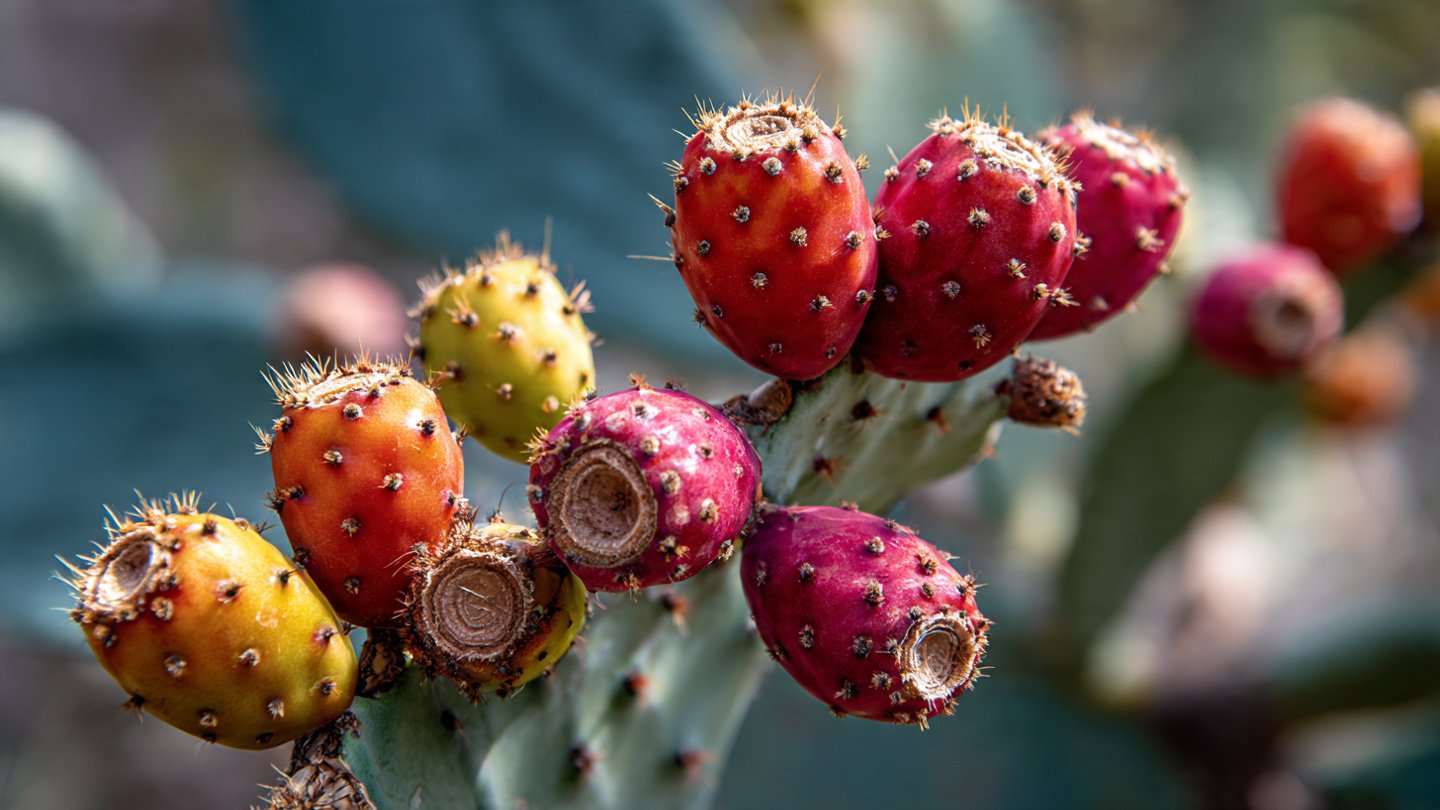
Cactus fruit, often referred to as prickly pear or Opuntia fruit, is one of the most unique and delightful treats nature has to offer. Native to arid and semi-arid regions, this vibrant fruit is packed with nutrients, antioxidants, and a refreshing, subtly sweet flavor. While many may be familiar with cactus plants themselves, the fruit they bear is often overlooked or misunderstood. With the right preparation and knowledge, cactus fruit can become a delicious, healthy addition to your diet. This guide explores everything you need to know to unlock the flavors and benefits of cactus fruit, from harvesting and preparing to enjoying it safely.
Understanding Cactus Fruit
Cactus fruit grows on prickly pear cacti, which are characterized by flat, paddle-like pads and colorful blooms. The fruit can range in color from green to yellow, red, or deep purple, depending on the variety and ripeness. Its pulp is juicy, slightly sweet, and contains small edible seeds.
The fruit is rich in vitamin C, dietary fiber, and antioxidants such as betalains and flavonoids. These compounds help combat oxidative stress and support overall health. In addition, cactus fruit is low in calories and naturally hydrating, making it an excellent choice for a nutritious snack in hot climates.
Harvesting Cactus Fruit Safely
Harvesting cactus fruit requires care because of the tiny spines or glochids covering the fruit. These spines can irritate skin if handled improperly. When picking fruit:
- Wear protective gloves made of leather or thick fabric to prevent injury.
- Use tongs to gently twist the fruit off the pad.
- Choose ripe fruit, which is slightly soft to the touch and vibrant in color. Avoid under-ripe or overly firm fruits, which may lack sweetness.
After harvesting, remove the fruit from direct contact with other surfaces to prevent spines from spreading. Proper handling ensures safety and preserves the fruit’s quality.
Preparing Cactus Fruit
Before eating cactus fruit, the outer skin and spines must be removed. Follow these simple steps:
- Rinse the fruit thoroughly under running water to remove loose spines and dirt.
- Use a vegetable brush to gently scrub the surface, eliminating remaining glochids.
- Cut off both ends of the fruit with a sharp knife.
- Slice the skin lengthwise and gently peel it away from the pulp.
- Scoop out the pulp with a spoon or cut into slices for direct consumption.
Once peeled, the fruit is ready to eat raw or use in various culinary applications. This preparation ensures safety while preserving the fruit’s flavor and nutrients.
Ways to Enjoy Cactus Fruit
Cactus fruit is incredibly versatile and can be enjoyed in numerous ways:
- Raw: Eat the pulp as a fresh snack, either plain or drizzled with a little lime juice for added zest.
- Juices and Smoothies: Blend the pulp with water or other fruits to make a refreshing drink or smoothie.
- Salads: Add diced cactus fruit to fruit salads or green salads for color, flavor, and nutrition.
- Jams and Jellies: Boil the pulp with sugar and pectin to create vibrant jams and preserves.
- Desserts: Incorporate cactus fruit into sorbets, puddings, or ice creams for a tropical twist.
- Cocktails: Muddle the pulp in drinks like margaritas or mocktails for a naturally sweet flavor.
These options highlight the fruit’s versatility and make it easy to incorporate into everyday meals or special treats.
Health Benefits of Cactus Fruit
Cactus fruit is not just delicious but also highly nutritious:
- Rich in Antioxidants: Compounds such as betalains reduce oxidative stress and support cellular health.
- Supports Digestion: Dietary fiber in the fruit promotes gut health and helps regulate digestion.
- Boosts Immunity: High vitamin C content strengthens the immune system and promotes healthy skin.
- Hydration: The juicy pulp helps maintain hydration, particularly in hot climates.
- Potential Blood Sugar Support: Some studies suggest cactus fruit may help moderate blood sugar levels due to its fiber content.
These health benefits make cactus fruit an excellent addition to a balanced diet.
Tips for Storing Cactus Fruit
Fresh cactus fruit is perishable, so proper storage is essential:
- Refrigeration: Store peeled or whole fruit in a plastic container in the fridge for up to a week.
- Freezing: The pulp can be frozen in ice cube trays or bags for long-term use in smoothies and desserts.
- Drying: Slice the fruit and dehydrate it for a chewy, shelf-stable snack.
Storing cactus fruit correctly ensures that it retains flavor, nutrients, and texture for as long as possible.
Avoiding Common Mistakes
When preparing cactus fruit, beginners may encounter a few challenges:
- Ignoring the spines: Handling without gloves can cause painful irritation.
- Eating unripe fruit: Under-ripe fruit may taste bitter or astringent.
- Peeling incorrectly: Leaving spines on the pulp can make eating unpleasant and unsafe.
- Overripe fruit: Extremely soft fruit may ferment quickly, so consume promptly.
Following proper handling and preparation techniques prevents accidents and ensures the best culinary experience.
Fun Ways to Incorporate Cactus Fruit into Your Lifestyle
Cactus fruit isn’t limited to the kitchen. Its vibrant color and flavor make it a unique ingredient for creative uses:
- Infused water: Add slices to water for a naturally flavored drink.
- Smoothie bowls: Combine with other tropical fruits for an Instagram-worthy breakfast.
- Natural dyes: Betalains in the fruit can be used for homemade, food-safe coloring in baking and crafts.
- Culinary experiments: Combine cactus fruit with herbs, spices, or citrus for unique sauces and marinades.
These creative uses maximize enjoyment and encourage experimentation with this desert delicacy.
Conclusion
Cactus fruit is a remarkable and underappreciated treasure of the desert. With careful handling, preparation, and creativity, it can be transformed into a wide variety of delicious, nutritious treats. From raw consumption to juices, desserts, and even natural dyes, cactus fruit offers endless possibilities.
Safety is key: always handle spiny fruit with gloves, remove the skin and spines properly, and choose ripe fruit for the best flavor. By incorporating cactus fruit into your diet, you can enjoy a refreshing, healthy, and versatile food that brings the desert’s vibrant flavors into your home.
Whether you are a curious foodie, a home gardener, or simply someone looking for nutritious and exotic flavors, cactus fruit provides a unique culinary adventure. Unlocking its potential allows you to savor nature’s desert treat in countless delicious ways.