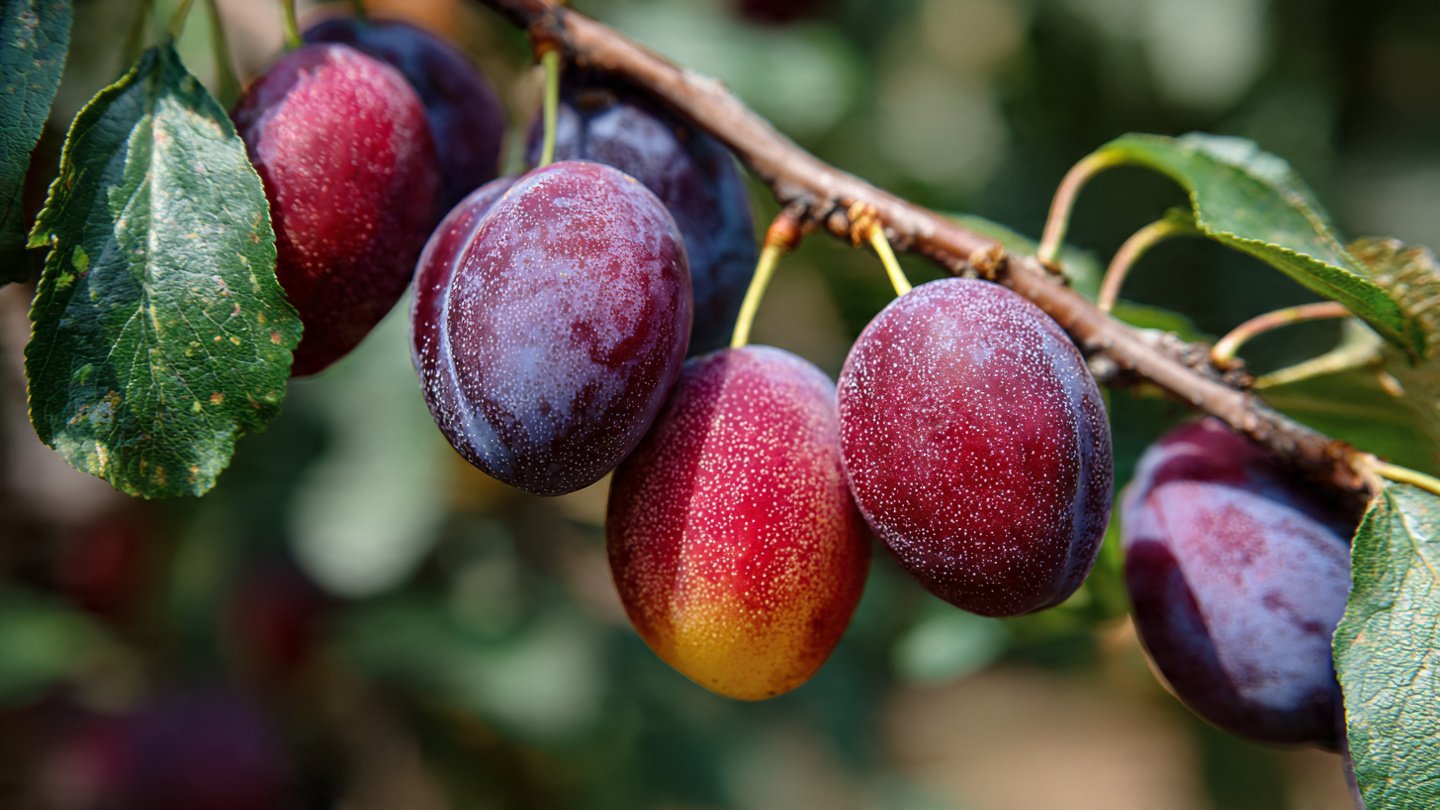
Pruning is one of the most important horticultural practices for fruit trees, shrubs, and vines, yet it is often misunderstood or improperly applied. Many gardeners and orchardists focus on the basics of pruning—removing dead or crossing branches—without realizing that subtle steps in the pruning process can significantly influence fruit size, quality, and overall yield. Understanding these overlooked steps and their impacts is essential for anyone aiming to grow large, healthy, and flavorful fruit.
At its core, pruning is about managing a plant’s energy distribution. Trees and shrubs produce a limited amount of resources each season, which are divided between vegetative growth (leaves and stems) and reproductive growth (flowers and fruit). If pruning is neglected or done improperly, energy may be wasted on excessive foliage or overcrowded branches, leaving less energy for fruit development. Conversely, strategic pruning can redirect energy toward fruiting branches, resulting in larger, juicier, and more uniform fruit.
One commonly overlooked step is thinning out crowded branches. While many people prune primarily to shape the plant or remove obvious deadwood, they often leave too many interior branches intact. This crowding blocks light penetration and reduces airflow, both of which are critical for fruit development. Sunlight drives photosynthesis, providing the sugars and nutrients necessary for fruit growth. Branches shaded by other growth produce less energy, and the fruits on those branches tend to be smaller, less colorful, and lower in sugar content.
Another step that is frequently ignored is the proper timing of pruning. Different types of pruning—dormant pruning, summer pruning, and maintenance pruning—affect fruit size in distinct ways. Dormant pruning, usually done in late winter, stimulates vigorous growth for the upcoming season. Summer pruning, on the other hand, can control excessive growth and improve light penetration without triggering excessive vegetative energy. Overlooking the appropriate timing for each type of pruning can result in misdirected energy, with the plant producing more shoots at the expense of fruit size.
Pruning cuts themselves also matter. Improper cuts, such as leaving stubs or making angled cuts that impede healing, can stress the tree and reduce its ability to allocate resources efficiently. Stressed or damaged branches often produce smaller fruit, as the tree must invest energy in healing rather than in developing its harvest. Clean, precise cuts made just above a bud or lateral branch help the tree heal quickly and ensure that energy is directed where it is most needed.
Another frequently neglected step is managing the ratio of vegetative growth to fruiting wood. Many fruit trees require a balance between leaf area and fruiting sites. Removing too much foliage can leave insufficient leaf surface to photosynthesize and supply carbohydrates to developing fruit, resulting in undersized or poorly flavored fruit. On the other hand, failing to thin shoots or remove weak branches can spread the tree’s energy too thin, also limiting fruit size. Understanding this balance and selectively removing nonproductive branches while preserving healthy leaves is critical.
Pruning for height and shape is also more than an aesthetic concern; it influences fruit size indirectly. Tall or poorly structured trees can produce fruits that are shaded or difficult to harvest at peak ripeness. Strategically pruning to maintain an open, balanced canopy ensures that sunlight reaches all fruiting branches evenly, resulting in larger, more uniform fruit. Ignoring these structural considerations often leads to uneven growth and a mix of small, underdeveloped fruit alongside more desirable produce.
Flower and fruit thinning is another pruning-related step that is often overlooked. After flowering, many fruit trees produce more buds than they can sustain. Allowing all buds to develop naturally results in smaller fruit because the tree spreads its energy across too many fruits. Strategic thinning—removing some flowers or young fruits—concentrates the plant’s resources on the remaining fruit, which can significantly increase their size and quality. Gardeners who skip this step often wonder why their fruit is consistently smaller, even when the tree appears healthy.
Environmental factors interact closely with pruning practices, yet these are often neglected. Pruning influences airflow and light distribution, which in turn affects temperature and humidity within the canopy. Poorly pruned trees can create microenvironments that favor disease or fungal growth, weakening branches and further reducing fruit size. For example, high humidity and poor airflow encourage fungal infections that divert energy from fruit development. Effective pruning minimizes these risks and ensures a healthier environment conducive to larger fruit.
Fruit tree species differ in their response to pruning, and overlooking these differences can impact fruit size. Stone fruits such as peaches and plums benefit from summer pruning to limit vigorous vegetative growth, while pome fruits like apples and pears respond better to dormant pruning that stimulates wood production in preparation for the next fruiting season. Ignoring species-specific pruning requirements may lead to reduced fruit size, irregular crop loads, or delayed fruiting. Understanding your tree’s biology is essential for achieving the best results.
Nutrient allocation is also influenced by pruning, yet it is commonly ignored. Branches act as conduits for nutrients, and excessive or improper pruning can disrupt the movement of water, minerals, and carbohydrates to developing fruit. For instance, removing too many scaffolding branches or leaving only weak branches can reduce nutrient flow, resulting in smaller fruits. Conversely, strategic pruning maintains strong structural branches that efficiently transport resources to fruit-bearing shoots.
Repeated neglect of these overlooked steps can compound problems over multiple growing seasons. Trees that are improperly pruned may produce progressively smaller fruit, develop structural weaknesses, and become more susceptible to pests and diseases. Conversely, adopting a disciplined, step-by-step approach that considers light, airflow, branch spacing, flower thinning, and species-specific requirements can significantly enhance fruit size and quality over time.
Pruning tools themselves, while seemingly minor, can affect fruit development. Using dull or inappropriate tools can crush bark, damage buds, or tear branches, leading to stress and slower growth. Maintaining sharp, clean tools and sterilizing them between cuts reduces the risk of infection and allows for cleaner cuts that promote healthy fruiting. Many gardeners underestimate the impact of tool quality on their harvest, yet this is an essential part of optimizing fruit size.
Monitoring the tree’s response after pruning is another step that is frequently skipped. Observing how the tree reacts in terms of shoot growth, leaf development, and fruit set allows gardeners to adjust their techniques over time. Pruning is not a one-size-fits-all practice; environmental conditions, tree age, and yearly weather variations influence outcomes. Careful observation ensures that the tree’s energy is consistently directed toward producing larger, healthier fruit.
In conclusion, the size of fruit is heavily influenced by subtle and often overlooked pruning steps. From branch thinning and flower removal to proper cutting techniques, timing, canopy management, and species-specific strategies, each element plays a critical role in directing the plant’s energy toward reproductive growth. Neglecting any of these factors can result in smaller, less flavorful fruit, while careful attention to detail can enhance both yield and quality. For gardeners and orchardists, mastering these overlooked steps is the key to producing larger, more consistent, and more desirable fruit season after season. Proper pruning is not merely an aesthetic or maintenance task—it is a fundamental aspect of horticultural science that directly determines the success and productivity of fruit-bearing plants.