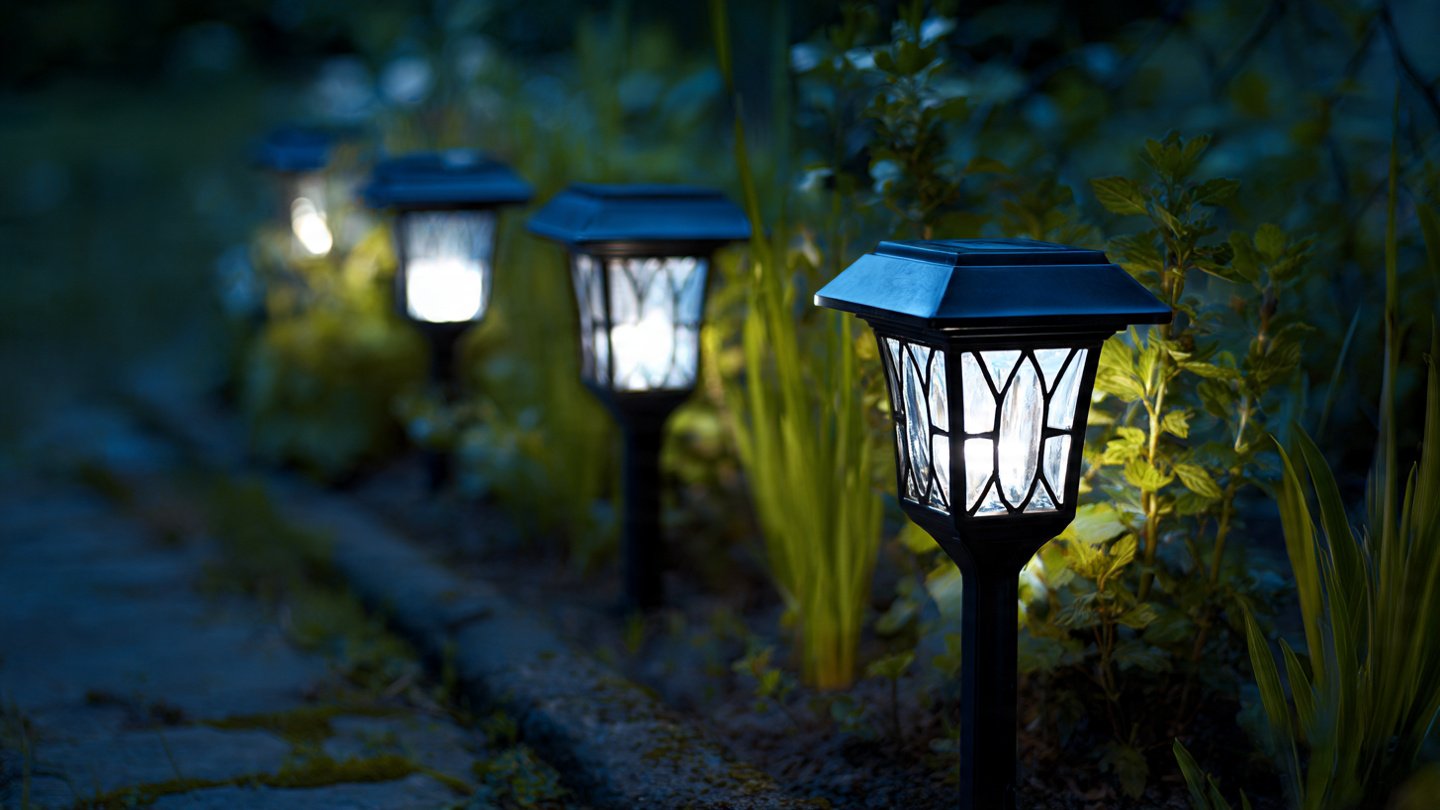
Solar lights have become a popular choice for homeowners looking to illuminate gardens, pathways, and outdoor spaces while reducing electricity costs. They are convenient, eco-friendly, and relatively low-maintenance—or so it seems. Many homeowners invest in solar lights expecting them to last for several seasons, only to find that they stop working properly after just one month. Understanding why this happens requires a closer look at how solar lights work and the common mistakes that can compromise their performance.
How Solar Lights Work
Before diving into the causes of failure, it’s important to understand the basic mechanics of solar lights. A typical solar light system consists of three key components:
- Solar Panel: This captures sunlight and converts it into electrical energy during the day. The solar panel’s efficiency depends on its size, quality, and exposure to sunlight.
- Rechargeable Battery: The electrical energy from the solar panel is stored in a rechargeable battery, usually a NiMH (Nickel-Metal Hydride) or Li-ion (Lithium-ion) battery.
- LED Light and Controller: The LED lights are powered by the stored energy when darkness falls, controlled by a sensor or timer.
Any failure in these components, or the way they interact, can lead to the lights not functioning as expected.
Common Reasons Solar Lights Fail Quickly
1. Low-Quality Batteries
The rechargeable battery is often the weakest link in a solar light. Cheap or low-capacity batteries may degrade after just a few charge cycles. Many solar lights are sold with pre-installed batteries that are not designed for long-term use.
- Symptoms: Lights fade quickly, won’t stay on all night, or stop working entirely.
- Solution: Replace the battery with a high-quality NiMH or Li-ion rechargeable battery, preferably with a capacity that matches or exceeds the original specification.
2. Inadequate Sunlight Exposure
Solar lights rely entirely on sunlight to recharge. If the light is placed in a shaded area, under trees, or on the north side of a building, it may not receive enough sunlight to fully charge the battery.
- Symptoms: The light may flicker, turn off prematurely, or fail to illuminate at all.
- Solution: Position solar lights where they can receive 6–8 hours of direct sunlight daily. Even the most efficient solar panel cannot make up for lack of sunlight.
3. Poor Solar Panel Quality
Not all solar panels are created equal. Low-quality panels may be inefficient at converting sunlight into electricity or degrade quickly due to weather exposure. Over time, even moderate UV exposure can reduce a panel’s efficiency.
- Symptoms: Slow charging, intermittent lighting, or sudden failure after a month of use.
- Solution: Invest in solar lights with high-quality monocrystalline or polycrystalline solar panels, which maintain efficiency longer than cheaper amorphous panels.
4. Water Damage and Moisture
Many solar lights are marketed as weather-resistant, but “resistant” does not mean “waterproof.” Heavy rain, snow, or high humidity can allow moisture to seep into the battery compartment or LED housing. Even a small amount of water can corrode connections or short-circuit components.
- Symptoms: Lights stop working, flicker, or emit weak light. You may notice rust or corrosion inside the casing.
- Solution: Ensure the solar light has proper IP65 or higher weatherproof rating. Check seals, and consider placing lights in slightly sheltered areas.
5. Overcharging or Poor Battery Management
Some solar lights lack a built-in overcharge protection system. When batteries are constantly charged during long sunny days without regulation, it can shorten their lifespan. Conversely, if the light draws too much power from an undercharged battery, it may stress the battery and reduce performance.
- Symptoms: Rapid battery degradation, lights failing after a few weeks, or erratic on/off behavior.
- Solution: Choose solar lights with smart charge controllers that regulate battery charging and prevent overcharging or deep discharge.
6. Cheap LED Components
The LED bulbs themselves are often overlooked as a failure point. Low-quality LEDs can fail prematurely due to heat, poor soldering, or low-grade materials. While LEDs are generally long-lasting, budget solar lights sometimes compromise on quality to cut costs.
- Symptoms: Lights flicker, emit uneven brightness, or stop working suddenly.
- Solution: Opt for solar lights from reputable manufacturers that use durable, long-life LEDs.
7. Loose or Corroded Connections
Solar lights consist of small electrical connections that can loosen during shipment, installation, or with temperature changes. Corrosion from moisture can also break the circuit.
- Symptoms: Lights work sporadically, flicker, or stop turning on.
- Solution: Check and tighten connections, clean corrosion with a dry cloth, and apply a small amount of dielectric grease to prevent further corrosion.
8. Extreme Temperatures
Solar lights are designed to operate within a certain temperature range. Excessive heat or cold can damage batteries and LEDs. For instance, freezing temperatures can reduce battery efficiency, while extreme heat can cause plastic components to warp or degrade.
- Symptoms: Lights dim in cold weather or fail in summer heat.
- Solution: Store solar lights indoors during harsh winter or extremely hot months, or choose models rated for extreme temperature tolerance.
Preventive Tips to Extend Solar Light Life
- Choose Quality Products: Investing in reputable brands may cost more upfront but saves frustration and replacement costs.
- Proper Installation: Place solar lights in areas with full sun exposure, adequate drainage, and minimal risk of water pooling.
- Battery Maintenance: Check batteries at the end of the season and replace worn-out batteries promptly.
- Regular Cleaning: Clean solar panels with a damp cloth to remove dust, leaves, or dirt that can block sunlight.
- Seasonal Storage: In winter or monsoon seasons, store solar lights indoors if possible to prevent water and cold damage.
- Avoid Cheap Knockoffs: Budget solar lights may work initially but often fail after a few weeks due to inferior components.
How to Test Your Solar Light
If your solar lights fail after one month, it’s helpful to diagnose the issue:
- Test the Battery: Remove the battery and check voltage with a multimeter. Low voltage indicates the battery may need replacement.
- Check the Solar Panel: Place the panel in bright sunlight and measure output with a multimeter. Poor output may indicate a faulty panel.
- Inspect for Water Damage: Look inside the casing for rust, corrosion, or damp components.
- Test the LED: Connect the LED directly to a battery to see if it illuminates. Non-functioning LEDs may need replacement.
By identifying the weak component, you can repair or replace it instead of discarding the entire solar light.
Conclusion
Solar lights are an excellent addition to any garden or pathway, but they are not immune to failure—especially when low-quality components, poor installation, or environmental factors come into play. The most common reasons for early failure after just one month include low-quality batteries, inadequate sunlight exposure, poor solar panels, water damage, and cheap LEDs. By understanding these issues and taking preventive measures, you can enjoy reliable, long-lasting solar lighting.
Investing in quality solar lights, properly installing them, maintaining batteries, and protecting them from extreme conditions will help ensure your lights shine brightly for years instead of flickering out after just a few weeks. Solar lighting can be convenient and eco-friendly—but only when you address the hidden factors that can sabotage performance.
With careful attention to placement, component quality, and maintenance, your solar lights can fulfill their promise: providing efficient, beautiful illumination for your outdoor spaces without the frustration of early failure.