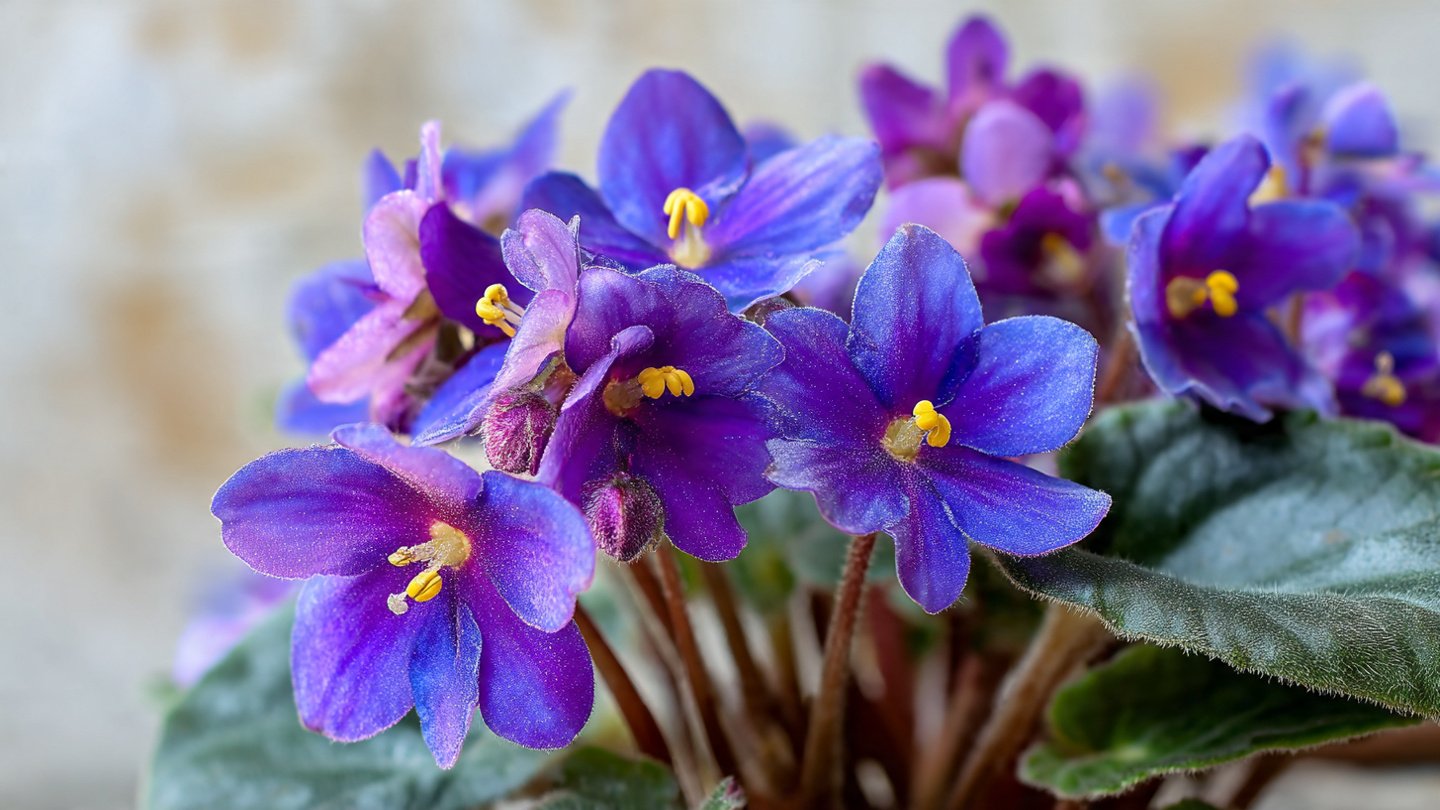
Mini African violets are cherished houseplants known for their delicate blooms, compact size, and ability to brighten indoor spaces year-round. Despite their elegant appearance, these plants are surprisingly easy to grow when their basic needs are understood. With the right balance of light, water, soil, and care, mini African violets can thrive with minimal effort, making them perfect for beginners and experienced plant lovers alike. This ultimate guide explains everything you need to know to grow healthy, vibrant mini African violets at home.
Understanding Mini African Violets
Mini African violets are smaller versions of standard African violets, typically growing no wider than six inches. Their compact growth habit makes them ideal for windowsills, shelves, desks, and small living spaces. They produce clusters of velvety flowers in shades of purple, pink, white, blue, and bi-colors, often blooming multiple times a year under proper conditions.
Unlike many flowering houseplants, mini African violets do not require a dormant period. With consistent care, they can flower almost continuously. Understanding their natural preferences is the key to maintaining healthy foliage and encouraging frequent blooms.
Choosing the Right Location
Light is one of the most important factors in growing mini African violets successfully. They prefer bright, indirect light rather than direct sunlight. A north- or east-facing window is usually ideal, as it provides gentle morning light without the harsh intensity of afternoon sun. Too much direct sunlight can scorch the leaves, while insufficient light can lead to weak growth and a lack of flowers.
If natural light is limited, artificial grow lights are an excellent alternative. Position the plants about ten to twelve inches below fluorescent or LED grow lights for around twelve to fourteen hours per day. Consistent lighting helps maintain compact growth and encourages steady blooming.
Maintaining Ideal Temperature and Humidity
Mini African violets thrive in warm, stable indoor temperatures. The ideal range is between sixty-five and seventy-five degrees Fahrenheit. Avoid placing plants near cold drafts, air conditioners, or heating vents, as sudden temperature changes can stress the plant and cause leaf damage or flower drop.
Humidity also plays a role in their success. These plants prefer moderate humidity levels, similar to those comfortable for humans. If your home is particularly dry, especially during winter, placing a shallow tray of water near the plants or using a humidifier can help. Avoid misting the leaves directly, as excess moisture on foliage can lead to spotting or disease.
Selecting the Proper Pot and Soil
Choosing the right pot and soil mix is essential for healthy root development. Mini African violets prefer small pots with good drainage. Oversized pots can hold excess moisture, increasing the risk of root rot and reducing blooming. A pot that is about one-third the diameter of the plant is usually sufficient.
Use a light, well-draining potting mix specifically designed for African violets. These mixes typically contain peat moss, perlite, and vermiculite, allowing roots to breathe while retaining enough moisture. Avoid heavy garden soil, which can compact easily and restrict root growth.
Watering with Care
Proper watering is often the biggest challenge for growers, but with a simple routine, it becomes easy. Mini African violets prefer evenly moist soil but dislike sitting in water. Overwatering can lead to root rot, while underwatering can cause wilting and poor flowering.
The best method is bottom watering. Place the pot in a shallow container of room-temperature water and allow it to absorb moisture through the drainage holes for about twenty to thirty minutes. Remove the pot and let excess water drain completely before returning it to its spot. This method keeps water off the leaves and ensures consistent moisture.
If watering from the top, pour water gently onto the soil, avoiding the crown and leaves. Always use room-temperature water, as cold water can shock the roots and cause leaf spotting.
Fertilizing for Continuous Blooms
Mini African violets are light feeders but benefit from regular fertilization. Use a balanced, water-soluble fertilizer formulated for African violets, applied at half the recommended strength. Feeding every two to four weeks during active growth supports healthy leaves and frequent blooms.
Too much fertilizer can cause salt buildup in the soil, leading to leaf damage and reduced flowering. Periodically flushing the soil with plain water helps remove excess salts and keeps the root system healthy. Consistent, gentle feeding is more effective than infrequent heavy applications.
Pruning and Grooming
Regular grooming helps mini African violets stay attractive and productive. Remove faded flowers and yellowing or damaged leaves by gently snapping them off at the base. This encourages the plant to direct energy toward new growth and blooms.
As the plant grows, older leaves around the bottom may naturally decline. Removing them improves air circulation and maintains a neat appearance. Keeping the crown open and symmetrical also allows better light penetration, which supports even growth and flowering.
Repotting When Necessary
Although mini African violets grow slowly, they still benefit from occasional repotting. Most plants need repotting every six to twelve months, depending on growth and soil condition. Signs that repotting is needed include compacted soil, slow growth, or roots circling the inside of the pot.
When repotting, choose a fresh African violet mix and a clean pot of the same size or slightly larger. Gently remove old soil from the roots and replant at the same depth, ensuring the crown sits just above the soil surface. Water lightly after repotting and place the plant in indirect light while it adjusts.
Preventing Common Problems
Mini African violets are generally resilient, but they can experience issues if conditions are not ideal. Leaf spotting is often caused by cold water or water sitting on leaves. Root rot results from overwatering or poor drainage. Pale leaves and lack of blooms usually indicate insufficient light or nutrients.
Pests such as mealybugs or spider mites can occasionally appear. Regular inspection helps catch problems early. If pests are detected, isolate the plant and treat it promptly using appropriate indoor plant treatments. Maintaining good hygiene, clean pots, and healthy growing conditions greatly reduces the risk of problems.
Encouraging Long-Term Success
Consistency is the secret to growing mini African violets with minimal effort. Once you establish a routine that includes proper light, gentle watering, stable temperatures, and regular feeding, these plants reward you with continuous beauty. Avoid frequent changes in location or care, as stability promotes healthier growth and flowering.
Grouping plants together can also create a more favorable microclimate by increasing humidity and visual appeal. Rotating pots occasionally ensures even light exposure and balanced growth.
Decorating with Mini African Violets
Mini African violets are versatile decorative plants. Their small size makes them ideal for terrariums, decorative containers, and small plant displays. Grouping different flower colors together creates a striking visual effect, while matching pots and trays enhance their elegance.
Because they bloom throughout the year, mini African violets bring lasting color to indoor spaces. They are perfect for desks, kitchen windows, bedrooms, and living areas where bright but gentle light is available.
Conclusion
Growing mini African violets at home does not require advanced skills or constant attention. By understanding their basic needs and providing consistent care, anyone can enjoy healthy plants and abundant blooms with minimal effort. Proper lighting, careful watering, suitable soil, and gentle fertilization form the foundation of success.
These charming plants offer long-lasting beauty, compact growth, and rewarding flowers that brighten any indoor environment. With patience and a simple routine, mini African violets can become one of the most satisfying and low-maintenance houseplants in your home. By following this guide, you can confidently cultivate vibrant mini African violets and enjoy their delicate blooms year after year.