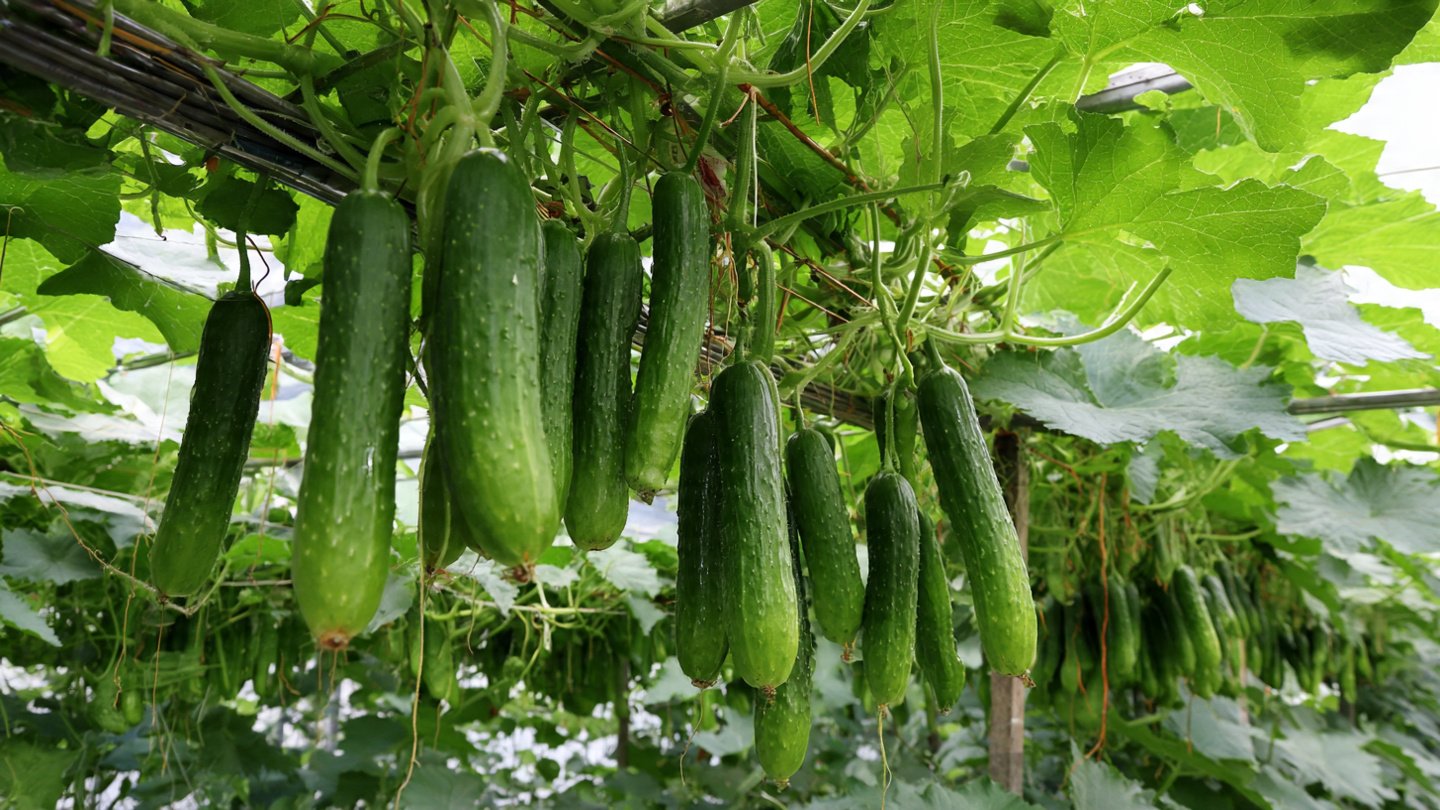
Lauki, also known as bottle gourd, is a fast-growing, productive vegetable widely used in many cuisines for its mild flavor, nutritional value, and versatility. Traditionally grown in open garden beds, lauki adapts exceptionally well to container gardening when given the right conditions. Growing lauki in large containers is an excellent solution for home gardeners with limited space, balconies, terraces, or patios. With proper planning, soil preparation, watering, and support, container-grown lauki can produce abundant yields while making harvesting easier and more manageable. This ultimate guide explains everything you need to know to successfully grow lauki in large containers for healthy plants, maximum yield, and hassle-free harvesting.
Understanding Lauki Growth Requirements
Lauki is a warm-season vine that thrives in temperatures between 25°C and 35°C. It requires plenty of sunlight, consistent moisture, rich soil, and vertical support to grow vigorously. The plant develops a strong root system and long trailing vines, which is why container size and structure are critical for success. When grown in containers, lauki responds well if its basic needs are met, often producing fruit just as abundantly as garden-grown plants.
Lauki plants grow rapidly and begin flowering within four to six weeks after planting. Male flowers appear first, followed by female flowers that develop into fruits. Understanding this growth pattern helps gardeners provide timely nutrition and care to support continuous fruiting.
Choosing the Right Container Size and Material
Container selection plays a major role in determining the success of lauki cultivation. Since lauki is a vigorous climber with deep roots, a large container is essential. Choose a container with a minimum depth and width of 18 to 24 inches. Larger containers allow better root expansion, improved moisture retention, and higher nutrient availability, all of which directly affect yield.
Containers can be made of plastic, clay, ceramic, or fabric grow bags. Plastic containers retain moisture well and are lightweight, making them easy to move. Clay pots offer good airflow but dry out faster and may require more frequent watering. Fabric grow bags are excellent for drainage and root health but also need careful moisture management. Regardless of the material, ensure the container has multiple drainage holes to prevent waterlogging.
Preparing the Ideal Soil Mix
Lauki thrives in loose, fertile, and well-draining soil. Garden soil alone is often too compact for containers, so preparing a proper soil mix is essential. A good container mix includes equal parts garden soil, compost or well-rotted manure, and coco peat or sand for drainage. This combination provides nutrients, moisture retention, and aeration.
Adding organic matter such as vermicompost improves soil fertility and encourages beneficial microbial activity. Mixing a small amount of neem cake or organic pest deterrent into the soil can help prevent soil-borne pests. The soil pH should ideally be between 6.0 and 7.5 to support optimal nutrient absorption.
Sowing Seeds and Transplanting Seedlings
Lauki can be grown directly from seeds sown in containers or by transplanting seedlings. Direct sowing is simple and effective. Sow two to three seeds per container at a depth of about one inch. After germination, retain the healthiest seedling and remove the weaker ones to prevent overcrowding.
If starting seeds separately, transplant seedlings when they have two to three true leaves. Handle young plants carefully to avoid disturbing the roots. Water immediately after planting to help the roots settle into the new soil. Warm temperatures and moist soil encourage rapid establishment and early growth.
Sunlight and Placement
Lauki plants require at least six to eight hours of direct sunlight daily for vigorous growth and high fruit production. Place containers in a sunny location such as a terrace, balcony, or open courtyard where sunlight is unobstructed. Insufficient sunlight leads to excessive leaf growth, fewer flowers, and reduced yield.
Good air circulation is also important, especially in humid climates. Avoid overcrowding containers, as proper airflow helps prevent fungal diseases and keeps foliage healthy.
Watering for Healthy Growth and Yield
Consistent watering is critical for container-grown lauki. Containers dry out faster than garden beds, especially during hot weather. Water deeply whenever the top inch of soil feels dry. Avoid shallow watering, as it encourages weak root systems.
Overwatering can be just as harmful as underwatering. Waterlogged soil can lead to root rot, yellowing leaves, and reduced fruiting. Ensure excess water drains freely from the container. Mulching with straw, dried leaves, or coco husk helps retain moisture, regulate soil temperature, and reduce watering frequency.
Providing Support and Training the Vine
Lauki is a climbing vine and needs strong support to grow vertically. Providing proper support improves air circulation, reduces pest problems, saves space, and makes harvesting easier. Install a sturdy trellis, bamboo frame, or vertical netting near the container as soon as the plant starts growing.
Gently guide the vine onto the support using soft ties or garden twine. Avoid tying too tightly, as this can damage the stem. Vertical growth allows fruits to develop straight and evenly, improving quality and appearance. Supporting the vine also prevents fruits from resting on the ground, reducing the risk of rot and pest damage.
Fertilization and Nutrient Management
Lauki is a heavy feeder, especially when grown in containers. Regular feeding ensures healthy growth and continuous fruiting. Start feeding two weeks after planting using organic fertilizers such as compost tea, vermicompost, or diluted liquid manure.
During flowering and fruiting stages, increase potassium-rich nutrients to support flower development and fruit formation. Feeding every ten to fifteen days keeps plants productive. Avoid excessive nitrogen, as it promotes leaf growth at the expense of flowers and fruits.
Pruning and Maintenance
Pruning helps manage plant size and directs energy toward fruit production. Remove yellowing, damaged, or diseased leaves regularly to maintain plant health. Pinching the growing tip after the vine reaches the desired height encourages side branching, which increases the number of flowering nodes.
Removing excess side shoots improves airflow and sunlight penetration, reducing disease risk. Keep the container area clean by removing fallen leaves and debris to discourage pests.
Pollination and Flower Management
Lauki plants produce separate male and female flowers. In container gardens, pollination may sometimes be limited due to fewer insects. Hand pollination can significantly improve fruit set. Use a soft brush or gently rub a male flower onto the center of a female flower early in the morning when flowers are open.
Regular harvesting encourages the plant to produce more flowers and fruits. Leaving mature fruits on the vine for too long can slow down new fruit development.
Pest and Disease Control
Common pests affecting lauki include aphids, fruit flies, and spider mites. Regularly inspect leaves and stems for signs of infestation. Using neem oil spray or insecticidal soap helps control pests naturally. Maintaining cleanliness and proper airflow reduces disease occurrence.
Fungal diseases such as powdery mildew can occur in humid conditions. Avoid overhead watering and ensure good sunlight exposure. Removing affected leaves early prevents disease spread.
Harvesting for Maximum Yield
Lauki is best harvested when fruits are young, tender, and about 6 to 10 inches long, depending on the variety. Harvesting at the right stage ensures better taste and encourages continuous fruiting. Use a sharp knife or pruners to cut fruits without damaging the vine.
Frequent harvesting every few days promotes higher yields and keeps the plant productive throughout the growing season. Container-grown lauki is easier to harvest since fruits hang visibly from trellises, reducing strain and effort.
Conclusion
Growing lauki in large containers is a practical and rewarding method for home gardeners seeking high yields and easy harvesting in limited spaces. With the right container size, fertile soil, consistent watering, proper support, and regular feeding, lauki plants thrive and produce abundantly even outside traditional garden beds. Container cultivation allows better control over soil quality, moisture, and plant health, resulting in vigorous vines and continuous harvests.
By following proper planting techniques, providing vertical support, managing nutrients, and harvesting regularly, gardeners can enjoy fresh, homegrown lauki throughout the warm season. Whether on a balcony, terrace, or patio, container-grown lauki transforms small spaces into productive vegetable gardens, offering both convenience and satisfaction with every harvest.