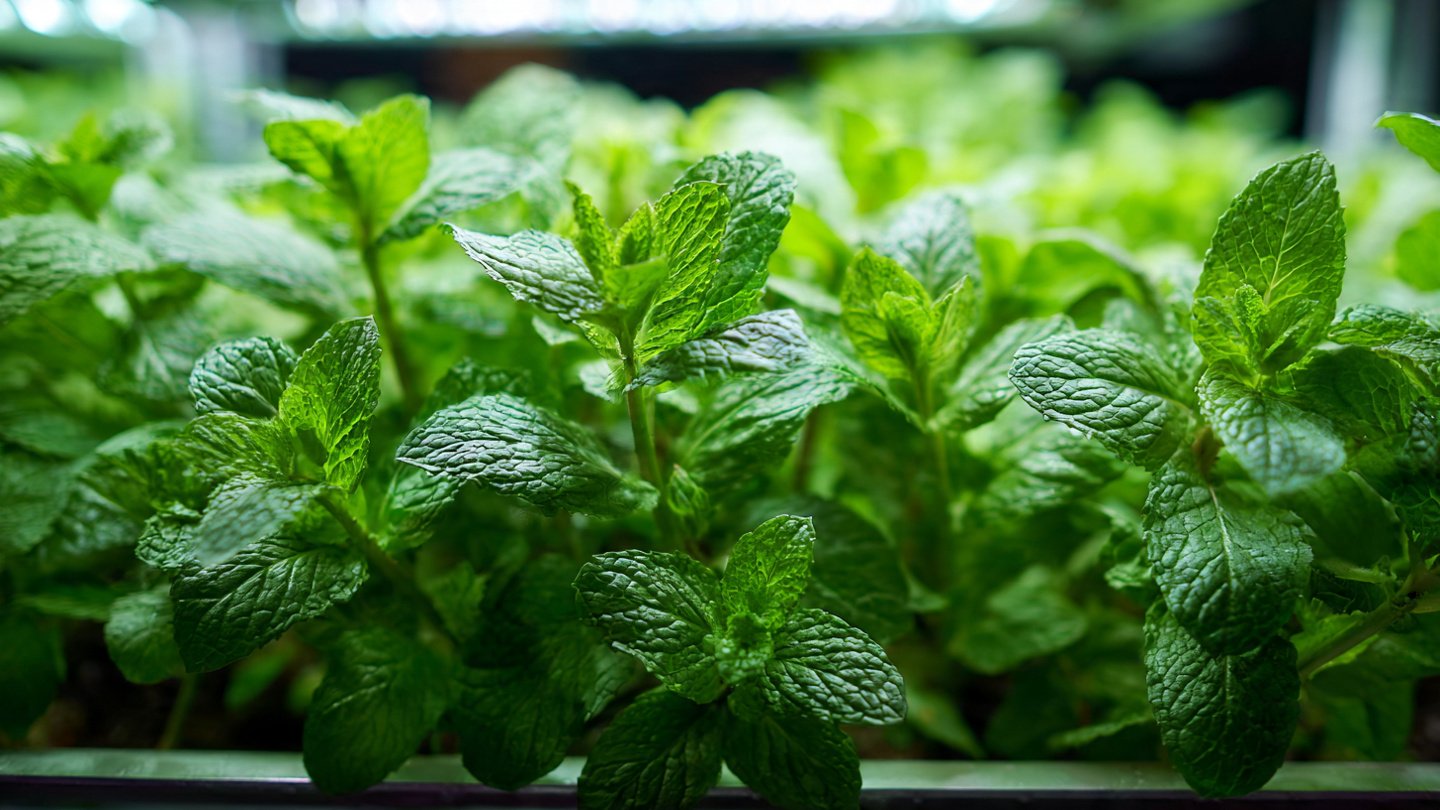
Mint (mint) is one of the most versatile and fragrant herbs you can grow indoors. With its refreshing aroma, vibrant green leaves, and culinary versatility, mint is perfect for teas, salads, desserts, and even homemade remedies. Unlike many herbs that require outdoor conditions to thrive, mint adapts well to indoor environments, allowing you to enjoy fresh leaves year-round. This ultimate guide provides step-by-step instructions, tips, and care techniques to cultivate healthy, thriving mint plants indoors.
Why Grow Mint Indoors?
Growing mint indoors has multiple advantages:
- Year-Round Availability: You can harvest fresh mint leaves regardless of outdoor weather conditions.
- Pest Control: Indoor cultivation reduces the risk of common garden pests like aphids or snails.
- Space Efficiency: Mint grows well in containers, making it ideal for apartments or small kitchens.
- Aesthetic Appeal: Mint adds greenery and a pleasant aroma to your living space.
- Cost Savings: Growing your own mint reduces the need to buy fresh herbs from stores.
Indoor cultivation ensures a consistent supply of fresh, aromatic leaves for culinary and medicinal uses.
Choosing the Right Mint Variety
Mint comes in several varieties, each with unique flavors and growth habits:
- Spearmint (Mentha spicata): Sweet flavor, ideal for beverages and desserts.
- Peppermint (Mentha × piperita): Stronger flavor with a cooling effect, perfect for teas and cocktails.
- Chocolate Mint: Subtle chocolate aroma, excellent for desserts and flavored drinks.
- Apple Mint: Mild, fruity flavor, great for salads or garnishing.
Select a variety based on your culinary preferences and the size of your indoor growing space.
Step 1: Selecting Containers and Soil
Proper containers and soil are essential for healthy indoor mint growth:
- Container Size: Use pots that are at least 15–20 cm deep with drainage holes. Mint spreads quickly, so wide containers help contain growth.
- Material: Plastic, ceramic, or terracotta pots all work. Terracotta provides natural breathability, while plastic retains moisture longer.
- Soil: Use a well-draining potting mix enriched with organic matter. Avoid garden soil, which may compact and hinder root growth.
- pH Level: Mint prefers slightly acidic to neutral soil, around 6.0–7.0 pH.
Proper containers and soil ensure adequate root development and reduce the risk of waterlogging.
Step 2: Propagating Mint Indoors
Mint propagates easily, making it ideal for indoor gardening. There are two main propagation methods:
- From Cuttings:
- Take a 10–15 cm stem cutting from a healthy mint plant.
- Remove lower leaves, leaving 2–3 at the top.
- Place the cutting in a glass of water until roots develop (usually 1–2 weeks).
- Transplant rooted cuttings into prepared soil.
- From Seeds:
- Sow mint seeds on the soil surface and lightly cover with soil.
- Keep soil moist and in a warm area with indirect sunlight.
- Germination occurs in 10–15 days, and seedlings can be transplanted after 4–6 weeks.
Cuttings are faster and more reliable, while seeds allow for larger-scale planting and variety selection.
Step 3: Light Requirements for Indoor Mint
Light is critical for strong, healthy mint growth:
- Indirect Sunlight: Mint prefers 4–6 hours of bright, indirect sunlight daily. Direct sunlight can scorch leaves, especially in hot climates.
- Artificial Light: If natural light is insufficient, use LED or fluorescent grow lights for 12–16 hours per day. Place lights about 15–30 cm above the plants.
- Rotating Plants: Rotate pots weekly to ensure even growth and prevent legginess.
Adequate light promotes lush foliage and prevents weak, spindly growth.
Step 4: Watering and Humidity
Mint requires consistent moisture without waterlogging:
- Watering Frequency: Water when the top 1–2 cm of soil is dry. Overwatering can cause root rot, while underwatering results in wilted leaves.
- Watering Method: Water at the soil base, avoiding wetting leaves, which can attract mold.
- Humidity: Mint thrives in moderate humidity. Mist leaves occasionally in dry indoor conditions, especially during winter when indoor heating lowers humidity.
Balanced watering ensures vibrant leaves and sustained growth throughout the year.
Step 5: Fertilizing Indoor Mint
Indoor mint benefits from regular feeding to maintain strong growth:
- Frequency: Apply a balanced, water-soluble fertilizer every 4–6 weeks during active growth.
- Type: Use organic fertilizers or diluted all-purpose fertilizer to avoid chemical buildup.
- Avoid Over-Fertilizing: Excessive nitrogen can promote leaf growth but reduce flavor and aroma.
Proper fertilization encourages bushy growth and flavorful leaves without overwhelming the plant.
Step 6: Pruning and Harvesting
Pruning is essential to keep indoor mint healthy and productive:
- Regular Harvesting: Pick leaves as needed, ideally in the morning when oils are most concentrated.
- Pinching Tips: Pinch off the growing tips to encourage lateral branching and bushier plants.
- Prevent Flowering: Remove flower buds promptly, as flowering can reduce leaf quality and flavor.
- Maintenance Pruning: Trim old or yellow leaves to maintain vigor.
Frequent pruning not only provides fresh leaves but also keeps plants compact and attractive indoors.
Step 7: Controlling Pests and Diseases
While indoor mint is generally resistant, occasional pests may appear:
- Common Pests: Aphids, spider mites, and whiteflies.
- Prevention: Inspect leaves regularly and maintain good air circulation.
- Treatment: Wash leaves with mild soap and water, or use neem oil spray.
- Disease Prevention: Avoid overwatering and ensure well-draining soil to prevent root rot and fungal infections.
Early detection and proper care help maintain healthy, pest-free plants year-round.
Step 8: Tips for Year-Round Indoor Growth
Mint can thrive all year if you follow these simple strategies:
- Consistent Environment: Maintain temperatures between 18–24°C (65–75°F) for optimal growth.
- Light Management: Supplement natural light with grow lights during shorter winter days.
- Container Rotation: Move pots to follow seasonal light changes or adjust artificial lighting.
- Regular Pruning: Prevent legginess and encourage continuous leaf production.
- Soil Renewal: Refresh topsoil or repot every 12 months to prevent nutrient depletion.
By managing light, water, and pruning, you can enjoy fresh, flavorful mint every season.
Step 9: Creative Uses for Indoor Mint
Beyond culinary purposes, indoor mint offers other benefits:
- Aromatic Benefits: Mint leaves release a refreshing fragrance that naturally purifies indoor air.
- Herbal Teas: Use fresh leaves for soothing teas or infused water.
- Decorative Value: Mint adds lush greenery to kitchens, windowsills, or tabletops.
- Natural Remedies: Mint can help relieve indigestion, headaches, and minor respiratory issues.
Growing mint indoors provides functional and aesthetic benefits beyond the kitchen.
Step 10: Propagation for Continuous Supply
To ensure a continuous supply of fresh mint:
- Split Mature Plants: Divide mature mint clumps and replant to expand your indoor herb garden.
- Water Rooting: Root cuttings in water and maintain a ready-to-plant supply.
- Rotate Containers: Keep some plants in active growth while others recover from pruning.
Regular propagation prevents overcrowding, promotes vigorous growth, and guarantees fresh leaves year-round.
Step 11: Common Mistakes to Avoid
Avoid these mistakes for successful indoor mint cultivation:
- Overwatering: Leads to root rot and yellowing leaves.
- Insufficient Light: Causes weak, leggy growth with reduced flavor.
- Ignoring Pruning: Results in sparse foliage and reduced yield.
- Flowering Neglect: Letting mint flower can reduce leaf quality and aroma.
- Crowding Pots: Mint spreads quickly; avoid tight containers that limit root growth.
Awareness of these common pitfalls helps maintain healthy, productive mint plants indoors.
Step 12: Long-Term Care for Indoor Mint
With proper care, mint can thrive indoors for years:
- Repotting: Refresh soil or repot every 12–18 months to prevent nutrient depletion.
- Pest Monitoring: Inspect regularly and treat early if pests appear.
- Seasonal Adjustments: Modify light, humidity, and watering according to seasonal changes.
- Regular Harvesting: Keep leaves fresh and encourage bushy growth with frequent trimming.
A consistent care routine ensures indoor mint remains a reliable source of fresh herbs all year round.
Conclusion
Growing mint indoors is an accessible, rewarding way to enjoy fresh herbs throughout the year. By selecting the right variety, preparing proper containers and soil, providing sufficient light, water, and nutrients, and maintaining regular pruning, you can cultivate lush, flavorful mint plants in any indoor space. Indoor mint not only enhances culinary experiences but also adds greenery, fragrance, and wellness benefits to your home.
With propagation techniques, pest management, and year-round care strategies, your indoor mint garden can thrive continuously, providing a steady supply of aromatic leaves. By following this ultimate guide, anyone—from beginners to seasoned gardeners—can successfully grow and enjoy fresh, vibrant mint indoors all year round.