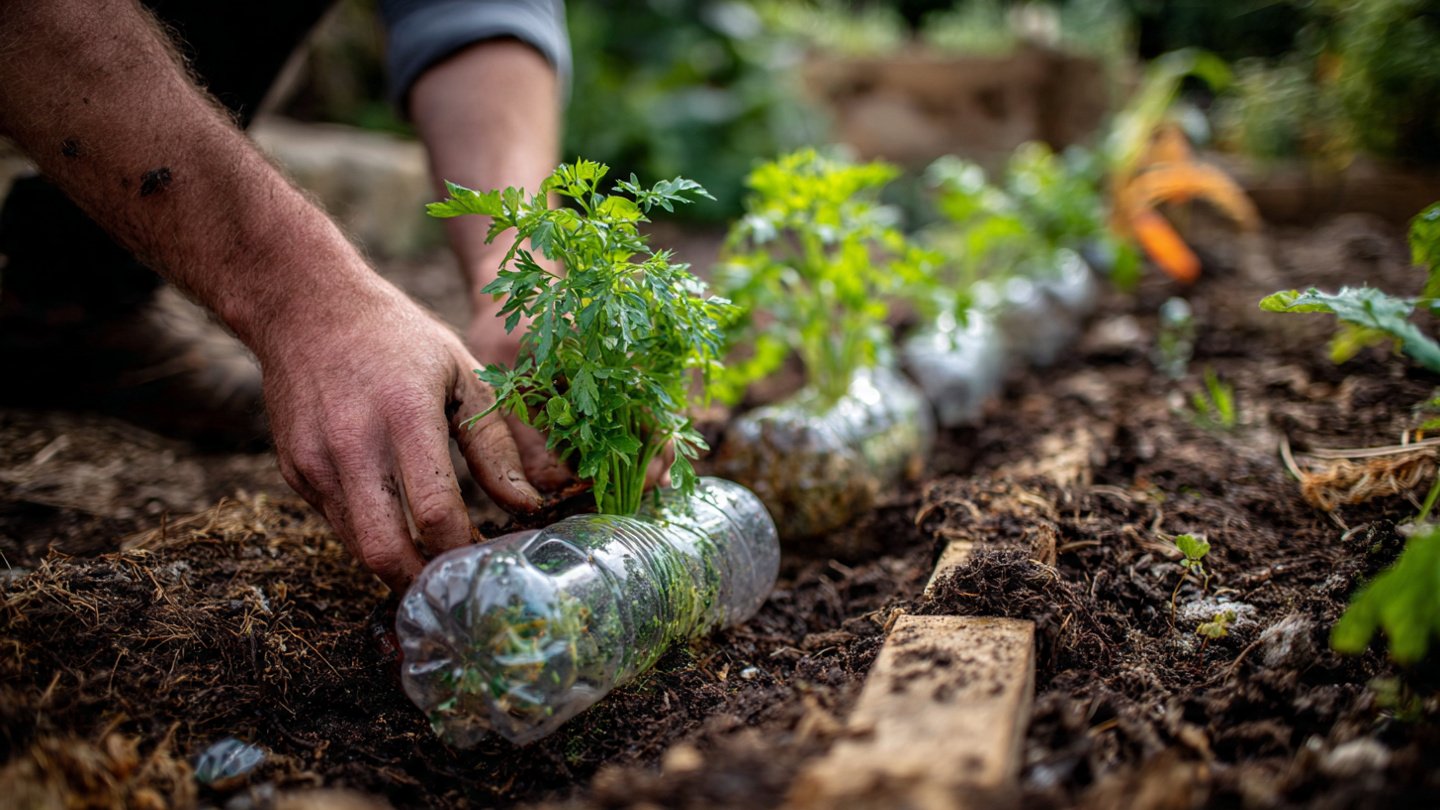
Plastic waste is one of the most visible environmental problems of modern life, yet many of the items we discard daily still have tremendous value. Plastic bottles, in particular, can be transformed from trash into powerful tools for growing food. With a little creativity and basic gardening knowledge, beginners can turn empty bottles into a productive vegetable garden that saves money, reduces waste, and brings fresh produce straight to the table. This guide explains how plastic bottles can become the foundation of a thriving garden, even for those with limited space or experience.
Why Plastic Bottles Make Excellent Garden Containers
Plastic bottles are lightweight, durable, and widely available, making them ideal for beginner gardeners. Unlike traditional pots, they cost nothing and can be customized to fit almost any space. Bottles can be cut, stacked, hung, or arranged vertically, allowing gardeners to grow vegetables on balconies, patios, windowsills, or even walls.
Plastic also retains moisture better than clay pots, which can be an advantage for beginners who struggle with consistent watering. When used correctly, bottles create a controlled growing environment that supports healthy roots and steady plant growth.
Choosing the Right Bottles for Gardening
Not all plastic bottles are equal when it comes to gardening. Larger bottles, such as two-liter soda bottles or water containers, are best for vegetables with deeper roots like tomatoes, peppers, or lettuce. Smaller bottles work well for herbs, green onions, or seedlings.
Clear bottles allow light to reach the soil, which can encourage algae growth. This can be managed by painting the outside of the bottle, wrapping it in paper, or covering it with fabric. This simple step also helps regulate soil temperature and protect roots from overheating.
Before using any bottle, it should be thoroughly cleaned to remove residue that could harm plants.
Preparing Bottles for Planting
Turning a plastic bottle into a planter requires only basic tools. Most designs involve cutting an opening in the side or top of the bottle. For vertical gardens, bottles are often cut horizontally with a window for planting. For upright planters, the top portion can be removed, leaving a deep container.
Drainage is essential. Small holes should be added to the bottom of each bottle to prevent water from collecting and causing root rot. These holes allow excess water to escape while keeping enough moisture in the soil.
Once cut and punctured, bottles are ready to be filled with soil and plants.
Selecting the Right Soil Mix
Soil quality is one of the most important factors in container gardening. Plastic bottles require a light, well-draining soil mix that provides nutrients while allowing roots to breathe. A combination of potting soil, compost, and a small amount of sand or perlite works well.
Garden soil alone is usually too heavy for bottle planters and can compact easily, limiting root growth. A loose soil mix ensures that vegetables can develop strong roots and access water and nutrients efficiently.
Because bottles hold limited soil, nutrients can be depleted faster. Adding compost regularly helps maintain soil health and supports consistent growth.
Choosing Vegetables That Thrive in Bottles
Not all vegetables are suited to bottle gardening, especially for beginners. Fast-growing, shallow-rooted plants are the easiest to manage. Leafy greens such as lettuce, spinach, arugula, and kale perform exceptionally well in plastic bottle planters.
Herbs like basil, parsley, cilantro, mint, and chives are also ideal choices. They require minimal space, grow quickly, and can be harvested frequently.
With larger bottles and proper support, vegetables like cherry tomatoes, peppers, green beans, and strawberries can also thrive. Root vegetables generally require more depth and are less suitable unless very large containers are used.
Planting Seeds or Seedlings
Beginners often have more success starting with seedlings rather than seeds. Seedlings provide a head start and reduce the risk of early failure. However, seeds can be planted directly into bottles if proper care is taken.
When planting, avoid overcrowding. Each bottle should contain only the number of plants it can support. Overcrowding leads to competition for nutrients, weak growth, and poor yields.
After planting, water gently to settle the soil and eliminate air pockets around the roots.
Watering Techniques for Bottle Gardens
Watering is one of the most important skills in plastic bottle gardening. Because bottles hold limited soil, they can dry out faster than garden beds. At the same time, poor drainage can lead to waterlogging.
The best approach is to water slowly and observe how the soil responds. Water should flow out of the drainage holes after thorough watering. This ensures the roots receive moisture without sitting in stagnant water.
Vertical bottle gardens may require more frequent watering, as gravity causes water to move downward quickly. Checking moisture levels daily helps prevent stress and supports steady growth.
Light and Placement Considerations
Vegetables grown in bottles still require adequate sunlight. Most edible plants need at least six hours of direct sunlight per day. Bottles can be placed on windowsills, hung from railings, attached to fences, or arranged on shelves to maximize sun exposure.
One advantage of bottle gardening is flexibility. Containers can be moved easily to follow the sun or protect plants from extreme weather. Rotating bottles occasionally ensures even growth and prevents plants from leaning toward the light.
Feeding and Fertilizing
Because plastic bottles limit soil volume, nutrients must be replenished regularly. Organic liquid fertilizers, compost tea, or diluted fish emulsion work well for beginner gardens. These provide gentle nourishment without overwhelming plants.
Overfertilizing can cause excessive leaf growth and reduce vegetable production. Feeding lightly but consistently supports balanced growth and healthy harvests.
Observing plant color and growth patterns helps determine when additional nutrients are needed.
Managing Pests Naturally
Bottle gardens are less prone to pests than ground gardens, but problems can still occur. Aphids, mites, and caterpillars may appear, especially on leafy greens. Regular inspection is key to early detection.
Natural solutions such as washing leaves with water, removing pests by hand, or using mild soap sprays are often sufficient. Keeping plants healthy through proper watering and feeding also improves their natural resistance to pests.
Avoiding chemical pesticides ensures vegetables remain safe to eat and supports a healthier growing environment.
Harvesting and Encouraging Continuous Growth
One of the greatest rewards of bottle gardening is harvesting fresh vegetables grown from waste materials. Harvesting regularly encourages plants to keep producing. Leafy greens can be harvested gradually by removing outer leaves while allowing the center to continue growing.
Herbs benefit from frequent trimming, which promotes bushier growth. Fruiting plants should be monitored closely and harvested when ripe to encourage further production.
Regular harvesting not only increases yield but also keeps plants healthy and productive.
Expanding Your Bottle Garden
As confidence grows, gardeners often expand their bottle gardens. More bottles can be added, different vegetables tried, and creative layouts explored. Vertical systems can be scaled up, and combinations of hanging and standing bottles can transform small spaces into lush, productive gardens.
Each growing season offers new lessons. Observing what works and adjusting techniques leads to greater success over time.
Environmental and Personal Benefits
Turning plastic bottles into a vegetable garden reduces waste and gives discarded materials a second life. It also lowers grocery costs, improves access to fresh produce, and creates a deeper connection to food.
Gardening with recycled materials fosters creativity, patience, and awareness of environmental impact. For beginners, it offers a low-risk, low-cost entry into food growing that builds confidence and skills.
Conclusion
Trash-to-table gardening proves that growing food does not require expensive tools or large spaces. With plastic bottles, basic supplies, and thoughtful care, anyone can create a thriving vegetable garden. This approach transforms everyday waste into a source of nourishment, sustainability, and satisfaction.
By starting small, choosing the right plants, and paying attention to soil, water, and light, beginners can experience the joy of harvesting fresh vegetables grown by their own hands. Plastic bottle gardening is more than a technique; it is a mindset that turns limitations into opportunities and waste into abundance.