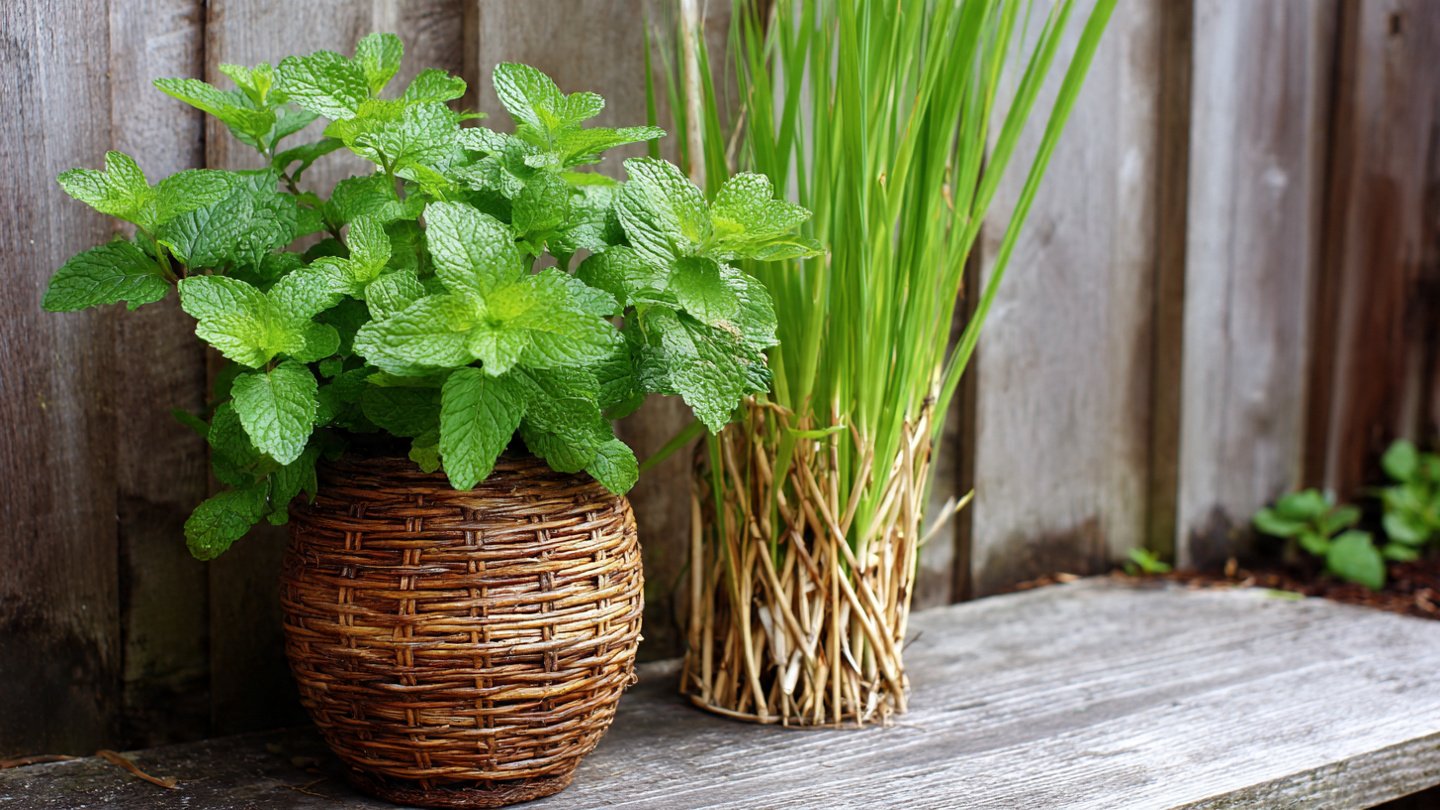
Growing your own herbs at home is not only rewarding but also a practical way to ensure you always have fresh flavors at your fingertips. Among the most versatile and easy-to-grow herbs, mint and lemongrass stand out. Both are fast-growing, resilient, and can be harvested quickly when given the right care. Whether you’re an experienced gardener or a beginner, understanding their growth requirements will help you enjoy lush, aromatic herbs in no time.
Why Choose Mint and Lemongrass?
Mint and lemongrass are favorites in kitchens around the world. Mint adds a refreshing touch to teas, desserts, and savory dishes, while lemongrass imparts a bright, citrusy flavor ideal for soups, teas, and marinades. Beyond flavor, both herbs offer health benefits: mint aids digestion and lemongrass has anti-inflammatory properties.
Their rapid growth makes them perfect for gardeners seeking quick results. With proper care, you can begin harvesting mint within 4-6 weeks and lemongrass within 2-3 months.
Choosing the Right Varieties
Not all mint or lemongrass varieties grow at the same speed.
Mint Varieties
- Spearmint – Mild flavor, grows quickly, ideal for beverages.
- Peppermint – Strong flavor, slightly slower growth than spearmint but highly aromatic.
- Chocolate Mint – Unique flavor with a hint of cocoa, spreads fast.
Lemongrass Varieties
- East Indian Lemongrass – Common in culinary use, grows taller and faster.
- West Indian Lemongrass – Thicker stalks, slightly slower growth but robust flavor.
Selecting the right variety for your climate and culinary preferences ensures you maximize growth speed and flavor.
Optimal Growing Conditions
Both mint and lemongrass thrive under similar conditions but have a few distinct needs.
Sunlight
- Mint: Prefers partial to full sun but can tolerate some shade. In very hot climates, some afternoon shade prevents leaf scorching.
- Lemongrass: Requires full sun for at least 6-8 hours per day. It thrives in bright, warm environments.
Soil Requirements
- Mint: Moist, well-draining soil rich in organic matter. Slightly acidic to neutral pH (6.0–7.0) is ideal.
- Lemongrass: Well-draining, sandy or loamy soil with moderate fertility. pH 6.5–7.5 works best.
Watering
- Mint: Keep soil consistently moist, but avoid waterlogging, which can cause root rot. Frequent shallow watering encourages leaf growth.
- Lemongrass: Water deeply once or twice a week, allowing soil to dry slightly between watering. Mulching helps retain moisture.
Planting Tips for Fast Growth
Proper planting techniques significantly influence growth rate.
Starting From Seeds vs. Cuttings
- Mint: Best propagated from cuttings, which ensures faster growth than seeds. Place cuttings in water until roots develop, then transplant to soil.
- Lemongrass: Can be started from stalks with a base bulb. Place the stalk in water until roots appear, then plant in soil. Seeds are less reliable and slower to grow.
Container vs. Ground Planting
- Mint: Thrives in containers to control spreading, as it can become invasive. A 12-inch pot is a good starting size.
- Lemongrass: Can grow well in large pots or directly in the garden. Ensure a pot of at least 18 inches to accommodate its long roots.
Spacing
- Mint: Space plants 12–18 inches apart. Crowding slows growth and reduces airflow.
- Lemongrass: Space 24 inches apart for optimal sunlight and airflow.
Fertilization for Rapid Growth
Providing nutrients boosts growth speed.
- Mint: Apply a balanced liquid fertilizer every 3-4 weeks during the growing season. Organic options like compost tea or fish emulsion are excellent.
- Lemongrass: Feed monthly with a high-nitrogen fertilizer to encourage strong leaf and stalk growth.
Avoid over-fertilization, as it can lead to excessive leaf growth with reduced flavor intensity.
Pruning and Harvesting Techniques
Pruning not only maintains plant health but also encourages faster growth.
Mint Harvesting Tips
- Start harvesting when the plant reaches 6–8 inches in height.
- Pinch off leaves from the top to encourage bushier growth.
- Regular harvesting every 1–2 weeks prevents flowering, which can reduce leaf quality.
Lemongrass Harvesting Tips
- Wait until stalks reach at least 1/2 inch thick and 12 inches tall for optimal flavor.
- Cut outer stalks at the base, leaving the inner stalks to continue growing.
- Frequent trimming promotes denser clumps and faster regrowth.
Pest and Disease Management
Both herbs are relatively hardy, but preventive care ensures the quickest harvest.
Common Mint Pests
- Aphids, spider mites, and whiteflies.
- Wash leaves regularly and introduce natural predators like ladybugs.
Common Lemongrass Pests
- Grasshoppers and mealybugs.
- Neem oil or insecticidal soap works well if infestations occur.
Disease Prevention
- Ensure proper spacing and airflow to reduce fungal infections.
- Avoid overwatering and keep leaves dry during watering.
Environmental Factors for Speedy Growth
- Temperature: Mint grows best in 65–70°F, while lemongrass prefers 70–85°F.
- Humidity: Lemongrass tolerates higher humidity, while mint prefers moderate levels.
- Wind Protection: Strong winds can damage tender stems. Plant in sheltered locations or provide windbreaks.
Companion Planting and Growth Boosters
Certain plants enhance growth or protect herbs naturally.
- Mint: Grows well near tomatoes, cabbage, and carrots. Avoid planting near parsley.
- Lemongrass: Companion to peppers and tomatoes, as it repels some pests.
You can also use natural growth boosters such as compost, worm castings, or diluted seaweed extract to encourage rapid development.
Indoor vs. Outdoor Cultivation
Both mint and lemongrass can thrive indoors if conditions are right.
Indoor Growing Tips
- Use pots with drainage holes to prevent root rot.
- Place near a sunny window or under grow lights for 6–8 hours daily.
- Maintain temperature and humidity levels suitable for each herb.
Outdoor Growing Tips
- Choose a location with well-draining soil and partial to full sunlight.
- Protect from extreme cold by using mulch or moving potted herbs indoors during winter.
Common Mistakes to Avoid
- Overcrowding plants, leading to slow growth.
- Ignoring watering needs, either underwatering or overwatering.
- Allowing mint to flower, which diminishes leaf flavor.
- Cutting lemongrass too low, damaging the growing point.
Conclusion
Growing mint and lemongrass for the quickest harvest is achievable with the right planning, care, and attention to detail. Focus on selecting fast-growing varieties, providing optimal sunlight, water, and nutrients, and using proper harvesting techniques. By following these tips, you’ll enjoy fresh, aromatic herbs throughout the year, enhancing your cooking and even providing a calming aroma in your home garden.
Whether you’re making a refreshing mint tea or a fragrant lemongrass soup, having these fast-growing herbs at your fingertips is both satisfying and practical. With consistent care and attention, you can achieve lush growth and quick harvests, turning your garden into a vibrant, flavorful haven.