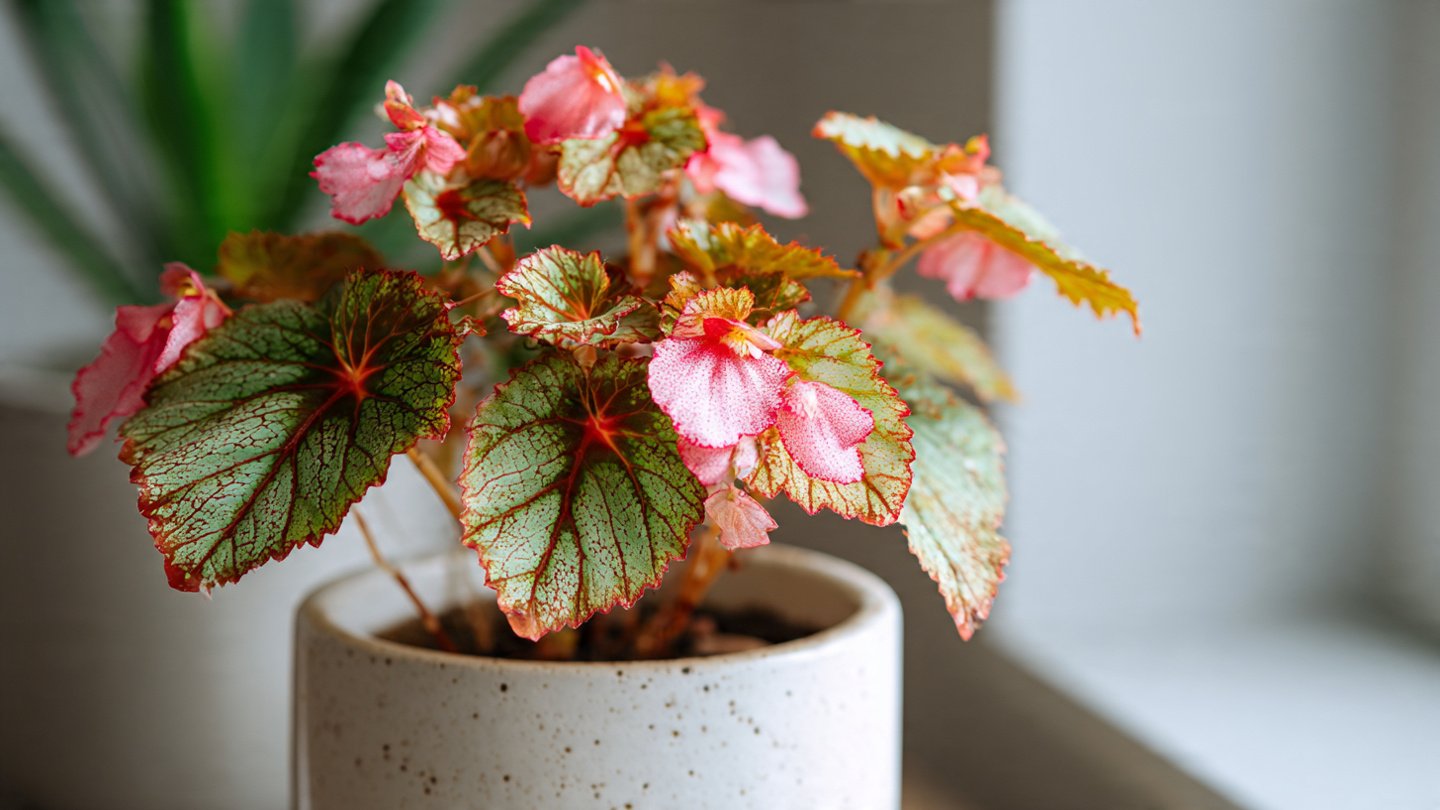
Rex begonias are among the most vibrant and visually striking indoor plants, cherished for their bold foliage, intricate patterns, and colorful leaves. Unlike flowering houseplants, rex begonias are primarily grown for their leaves, which can display shades of green, silver, red, purple, and even pink. Growing them indoors allows plant enthusiasts to enjoy their beauty year-round, and with the right techniques, these plants can thrive with minimal effort. This ultimate guide explores simple strategies to cultivate rex begonias successfully indoors, covering everything from lighting and watering to propagation and pest management.
Understanding Rex Begonia
Before diving into care techniques, it’s essential to understand what makes rex begonias unique. Scientifically known as Begonia rex-cultorum, these plants are hybrids of the species Begonia rex and are known for their colorful, textured leaves rather than flowers. The foliage varies widely, with some leaves featuring metallic sheen, bold veining, or dramatic contrasts between colors. Because of their delicate nature, rex begonias require consistent indoor conditions to flourish.
Rex begonias are native to tropical regions of India and Southeast Asia, which explains their preference for humidity, warmth, and filtered light. They do not tolerate frost or extreme dryness, making indoor cultivation an ideal choice, particularly in climates where outdoor conditions are less predictable.
Choosing the Right Container
Selecting an appropriate container is a crucial first step. Rex begonias have relatively shallow root systems, so a wide, shallow pot is better than a deep one. Proper drainage is vital; pots should have drainage holes to prevent waterlogging, which can lead to root rot. Consider using plastic, ceramic, or glazed pots, as these retain moisture better than unglazed terracotta, which can dry out too quickly.
When planting multiple rex begonias, ensure each plant has enough space for airflow around the leaves. Crowding can increase humidity but also promote mold or mildew growth.
Soil Requirements
The ideal soil for rex begonias should be light, porous, and well-draining. A mix of peat moss, perlite, and potting soil is commonly recommended. Peat moss retains moisture without becoming soggy, while perlite improves aeration and drainage. Avoid heavy garden soils or compacted mixes, as these can suffocate the roots and stunt growth.
For an alternative method, you can create a soilless mix using coco coir and perlite. This not only ensures excellent drainage but also reduces the risk of pests and diseases that thrive in traditional soils.
Providing Adequate Light
Rex begonias require bright, indirect light to maintain their vivid foliage. Direct sunlight can scorch their delicate leaves, leading to browning or fading of colors. Place your plant near an east or north-facing window, or use sheer curtains to diffuse intense sunlight.
For areas with limited natural light, supplemental lighting can be effective. LED grow lights that provide a full spectrum of light help mimic natural sunlight. Position the light about 12–18 inches above the plant and maintain a schedule of 12–14 hours per day for optimal growth.
Watering Techniques
Watering is one of the most common challenges in growing rex begonias indoors. These plants prefer evenly moist soil but are highly susceptible to root rot if overwatered. The best approach is to water when the top 1–2 inches of soil feel dry to the touch. Use room-temperature water and avoid splashing the leaves, as wet foliage can promote fungal infections.
A simple technique to ensure proper watering is bottom watering. Place the pot in a shallow tray of water for 15–20 minutes, allowing the soil to absorb moisture from the bottom. Remove any excess water afterward to prevent standing water around the roots.
Maintaining Humidity
Rex begonias thrive in high humidity environments, ideally between 50% and 70%. Indoor heating or air conditioning can dry the air, so providing additional humidity is often necessary.
Several simple techniques can help maintain humidity:
- Humidity Trays: Place a shallow tray filled with water and pebbles beneath the pot. As the water evaporates, it increases humidity around the plant.
- Misting: Lightly mist the leaves once or twice daily. Avoid over-saturating the foliage, as this can cause mildew.
- Group Plants: Clustering several houseplants together naturally raises local humidity levels.
- Humidifiers: Using a small indoor humidifier nearby can provide consistent humidity for delicate plants.
Temperature Requirements
Rex begonias prefer moderate indoor temperatures between 60°F and 75°F (15°C–24°C). Avoid placing them near drafts, heating vents, or cold windows. Sudden temperature fluctuations can stress the plant, causing leaf curling or discoloration.
During winter, ensure the plant is not exposed to cold air, as frost can damage both leaves and roots. In warmer months, keep the plant away from direct midday sun that can overheat indoor spaces.
Fertilizing Rex Begonias
Rex begonias benefit from regular feeding, especially during their growing season from spring to early fall. Use a balanced, water-soluble fertilizer diluted to half strength every 2–4 weeks. Excessive fertilization can lead to nutrient burn or overly lush foliage that loses its vibrant coloration.
Organic alternatives, such as compost tea or liquid seaweed extract, can provide gentle nutrition while improving soil health and microbial activity.
Pruning and Leaf Care
Pruning is essential to maintain the health and appearance of rex begonias. Remove yellow, brown, or damaged leaves promptly to encourage new growth and prevent disease spread. Regularly trimming the plant also enhances airflow around the leaves, reducing the risk of fungal infections.
Cleaning the leaves occasionally with a soft, damp cloth removes dust and allows the plant to absorb light more efficiently. Avoid using chemical leaf shines, which can block stomata and hinder growth.
Propagating Rex Begonias
Rex begonias are easy to propagate using leaf cuttings, making them a favorite for gardeners who want to expand their collection. The most common propagation methods include:
- Leaf Cuttings in Soil: Cut a healthy leaf with its petiole attached and insert it into moist, well-draining soil. Cover the cutting with a plastic bag or dome to maintain humidity. Roots and new plantlets will emerge in a few weeks.
- Leaf Cuttings in Water: Place a leaf with a small petiole section in a shallow container of water. Change the water every 2–3 days. Once roots develop, transplant the cutting into soil.
- Division: Mature plants with multiple crowns can be divided carefully during repotting. Ensure each section has roots attached and plant them separately in fresh soil.
Pest and Disease Management
Even indoors, rex begonias can face pest or disease challenges. Common pests include spider mites, mealybugs, and aphids. Regularly inspect leaves, particularly undersides, for signs of infestation.
Natural remedies include:
- Neem oil: A diluted solution sprayed on affected areas deters pests.
- Insecticidal soap: Effective for soft-bodied insects.
- Manual removal: Wipe off insects with a damp cloth for light infestations.
Fungal infections, like powdery mildew, can occur in high humidity or poor airflow. Improving ventilation, removing affected leaves, and adjusting watering practices help prevent disease.
Seasonal Care
Rex begonias enter a semi-dormant phase during winter when growth slows. During this time:
- Reduce watering frequency to prevent root rot.
- Maintain moderate humidity and avoid placing the plant in cold areas.
- Fertilize sparingly, if at all, as nutrient uptake decreases during dormancy.
Once spring arrives, resume regular watering, fertilizing, and pruning to stimulate new growth and vibrant foliage.
Tips for Indoor Success
To maximize your chances of growing rex begonias successfully indoors, keep these practical tips in mind:
- Rotate the pot occasionally to ensure even light exposure and symmetrical growth.
- Avoid overcrowding with other plants, as competition for light can reduce leaf color intensity.
- Monitor soil moisture carefully; rex begonias dislike both drought and waterlogging.
- Experiment with lighting conditions to find the balance between brightness and leaf health.
- Maintain consistent care routines, as rex begonias are sensitive to abrupt changes in environment.
Conclusion
Rex begonias are remarkable indoor plants that bring elegance, color, and texture to any space. By understanding their specific needs—light, water, humidity, temperature, and nutrients—you can cultivate them successfully using simple techniques. From choosing the right pot and soil to practicing proper pruning and propagation, each step contributes to a healthy, thriving plant.
With consistent care and attention to their delicate nature, rex begonias can flourish indoors for years, providing endless enjoyment for plant lovers. Whether you are a beginner or an experienced gardener, following this guide ensures your indoor rex begonias remain vibrant, lush, and visually captivating throughout the year.