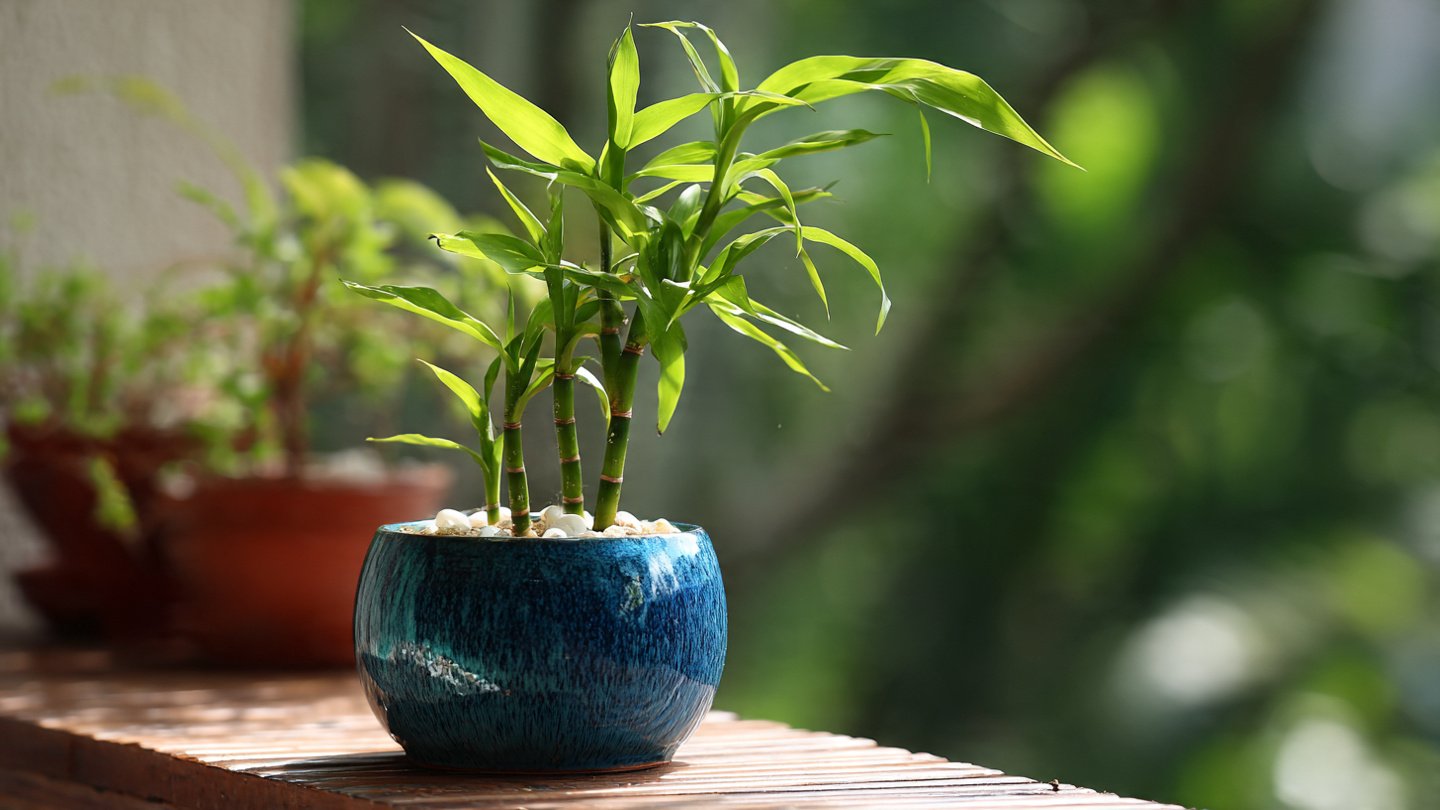
Lucky bamboo, despite its name, isn’t a true bamboo but a hardy, attractive plant that has become a staple in home décor around the world. With its elegant stalks and lush green leaves, lucky bamboo (Dracaena sanderiana) is associated with good fortune, positive energy, and Feng Shui principles. While it is commonly grown in water, cultivating lucky bamboo in soil provides a more natural environment, encouraging stronger roots and healthier growth. If you’ve ever wondered how to successfully grow lucky bamboo in soil for home décor, this comprehensive guide covers everything you need to know—from selecting the right soil to proper maintenance and creative display ideas.
Understanding Lucky Bamboo
Before diving into soil cultivation, it’s important to understand the plant itself. Native to West Africa, lucky bamboo is known for its resilience and ability to thrive in indirect light conditions. Its upright stalks can be trained into twists, spirals, or braids, making it a versatile decorative plant. While water propagation is popular, soil-grown lucky bamboo benefits from more stable nutrients, better root anchoring, and reduced risk of stagnation that can sometimes occur in water-only setups.
Growing lucky bamboo in soil also reduces the frequency of maintenance, making it an ideal choice for busy homeowners who want a low-maintenance yet elegant plant for indoor décor.
Choosing the Right Soil
Soil is the foundation of healthy plant growth. For lucky bamboo, the ideal soil should be well-draining yet retain some moisture. A typical choice is a potting mix formulated for houseplants. You can also create a custom blend by mixing equal parts of:
- Standard potting soil
- Sand or perlite for aeration
- Peat moss or coco coir for moisture retention
Avoid garden soil or clay-heavy soils, as these can retain too much water and lead to root rot. Additionally, ensure that the soil is free from fertilizers with high nitrogen levels at the start, as young plants are sensitive and can be damaged by excessive nutrients.
Selecting the Right Container
Lucky bamboo thrives in a container that provides both stability and proper drainage. When choosing a pot:
- Size: Start with a pot slightly larger than the root system. This allows room for growth without overwhelming the plant with too much soil.
- Material: Ceramic, terracotta, or decorative plastic pots work well. Terracotta is porous and allows excess moisture to evaporate, reducing the risk of root rot.
- Drainage: Ensure your pot has at least one drainage hole. If you prefer to use decorative containers without holes, consider placing the plant in a smaller inner pot with drainage and then inserting it into the outer decorative pot.
Planting Lucky Bamboo in Soil
Planting lucky bamboo in soil is straightforward but requires attention to detail. Follow these steps for optimal results:
- Prepare the soil: Moisten the potting mix slightly before planting. It should feel damp but not soggy.
- Trim the roots: If your lucky bamboo is a new purchase from a water setup, gently rinse the roots and trim any brown or mushy sections. Healthy roots are firm and white.
- Position the plant: Place the plant in the pot, spreading the roots gently. Fill around the roots with soil, ensuring the stalks are upright and stable.
- Firm the soil: Press the soil lightly around the base to eliminate air pockets, but avoid compacting it too hard.
- Water thoroughly: Give the plant a thorough initial watering to help settle the soil around the roots. Excess water should drain out through the bottom.
Proper Lighting Conditions
Lucky bamboo prefers indirect sunlight. Direct sunlight can scorch the leaves and cause yellowing, while too little light can slow growth. Ideal lighting conditions include:
- Bright, filtered light from a nearby window
- Artificial lighting using fluorescent or LED plant lights if natural light is limited
- Rotating the plant occasionally to ensure even growth on all sides
Avoid placing your lucky bamboo in dark corners or under direct, harsh sun for prolonged periods.
Watering Tips
Maintaining the correct moisture level is critical for soil-grown lucky bamboo. Overwatering can cause root rot, while under-watering can dry out the plant. Follow these tips:
- Check the soil moisture regularly by inserting your finger 1–2 inches into the soil. If it feels dry, it’s time to water.
- Use filtered or distilled water if possible. Lucky bamboo is sensitive to chlorine and fluoride commonly found in tap water.
- Water thoroughly but allow excess water to drain away. The soil should be moist but not soggy.
- During winter, reduce watering slightly, as the plant’s growth slows down.
Fertilizing Lucky Bamboo
While lucky bamboo can survive without fertilizer, occasional feeding promotes vibrant green leaves and healthy growth. Use a diluted, balanced houseplant fertilizer (10-10-10) once every 6–8 weeks. Avoid over-fertilizing, which can lead to brown tips or burnt roots.
Organic options, like liquid seaweed or fish emulsion, also work well and provide gentle, natural nutrients. Remember, less is more when it comes to lucky bamboo—its slow growth means it doesn’t require heavy feeding.
Pruning and Maintenance
Pruning helps keep lucky bamboo aesthetically pleasing and encourages new growth. Use sterilized scissors or pruning shears to:
- Remove yellow or damaged leaves
- Trim roots if the plant becomes root-bound
- Shape stalks by trimming taller sections or encouraging branching
You can also train lucky bamboo into spirals or braids by wrapping the stalks around supports gradually over time.
Preventing Common Problems
Lucky bamboo is relatively low-maintenance, but it can encounter a few issues:
- Yellowing leaves: Often caused by overexposure to sunlight, over-fertilizing, or water quality issues. Correct by adjusting light and using filtered water.
- Root rot: Typically a result of overwatering or poor drainage. Remove affected roots and ensure proper soil drainage.
- Pests: Spider mites or aphids may occasionally appear. Treat with mild insecticidal soap or wipe leaves with a damp cloth.
Creative Home Décor Ideas
Lucky bamboo isn’t just a plant; it’s an integral part of home décor. Here are some ways to incorporate it stylishly:
- Table Centerpieces: Small, soil-grown lucky bamboo in decorative pots makes a stunning centerpiece for dining tables or coffee tables.
- Bathroom Greenery: Its love for indirect light makes it ideal for bright bathrooms, adding freshness and tranquility.
- Shelf Arrangements: Place multiple stalks of different heights on shelves or mantels for a modern, minimalist look.
- Zen Corners: Pair your lucky bamboo with pebbles, miniature statues, or sand for a calming, meditative corner.
- Gift Option: Because of its association with luck and prosperity, a soil-grown lucky bamboo plant in a stylish pot is a thoughtful gift for friends and family.
Propagating Lucky Bamboo in Soil
Soil-grown lucky bamboo can also be propagated easily. Cut a healthy stalk with at least one node, allow it to dry for a day, and then plant it in moist potting soil. Keep it in indirect light and maintain consistent moisture. Roots will develop over a few weeks, producing a new plant ready to enhance your home décor.
Conclusion
Growing lucky bamboo in soil offers a rewarding and visually pleasing way to bring a touch of nature into your home. By choosing the right soil, pot, lighting, and maintenance practices, you can ensure that your lucky bamboo thrives, producing lush green leaves and elegant stalks that enhance any room. From Feng Shui benefits to aesthetic appeal, soil-grown lucky bamboo is more than just a plant—it’s a living décor piece that can elevate your home environment while bringing positive energy. With patience, proper care, and a bit of creativity, you can enjoy the elegance and charm of lucky bamboo in your home for years to come.