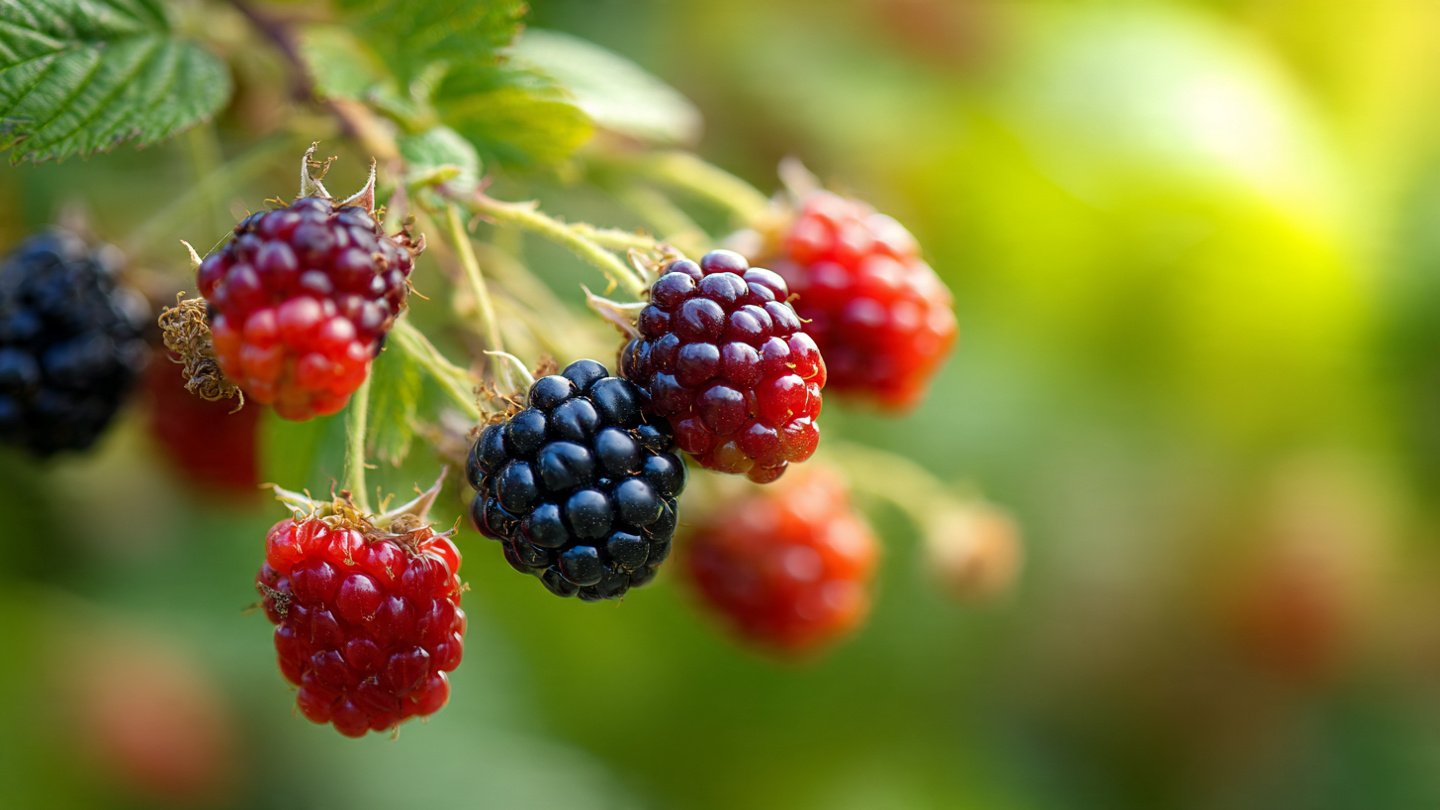
Berry bushes are a favorite among gardeners for their delicious fruit, vibrant foliage, and versatility in landscapes. However, many gardeners struggle to achieve consistent yields or maintain healthy plants. One of the most important yet often overlooked techniques for berry cultivation is pruning. Proper pruning enhances air circulation, increases sunlight exposure, encourages new growth, and directly impacts both fruit quantity and quality. Understanding how, when, and why to prune different berry bushes is key to maximizing yield and ensuring long-term plant health.
Why Pruning Matters for Berry Bushes
Pruning is essential for multiple reasons. Firstly, it helps maintain the plant’s size and shape, preventing overcrowding that can reduce fruit production. Secondly, it encourages the growth of strong, productive canes or stems capable of supporting abundant fruit. Thirdly, pruning improves air circulation and sunlight penetration, reducing the risk of diseases such as powdery mildew, leaf spot, and fungal infections. Lastly, it allows gardeners to remove dead, damaged, or diseased wood, which could otherwise spread infections or sap the plant’s energy.
Regular pruning ensures that the bush’s energy is focused on fruiting rather than sustaining unproductive growth. By removing old or weak branches, gardeners stimulate new growth, resulting in healthier plants and larger, sweeter berries.
Understanding Different Types of Berry Bushes
Not all berry bushes require the same pruning techniques. Knowing the type of berry you are growing is essential for proper care. Common types include:
- Raspberries: Raspberries can be summer-bearing or everbearing. Summer-bearing varieties fruit on two-year-old canes, while everbearing varieties can produce on both first-year and second-year canes. Pruning differs depending on the type.
- Blackberries: Similar to raspberries, blackberries produce fruit on second-year canes. Thornless varieties are popular for easier maintenance.
- Blueberries: Blueberries produce fruit on one-year-old wood, and pruning focuses on maintaining an open structure for light and airflow.
- Currants and Gooseberries: These berries fruit on multiple-year-old wood, requiring careful removal of older stems to encourage younger growth.
- Strawberries: While technically a ground-hugging plant rather than a bush, they benefit from “pruning” by removing old leaves and runners for better fruiting.
Each type of berry bush responds differently to pruning, so understanding their growth and fruiting patterns is crucial for maximum yield.
When to Prune Your Berry Bushes
Timing is critical for effective pruning. Most berry bushes are pruned during the dormant season, typically late winter to early spring before new growth begins. Pruning at this time reduces stress on the plant and allows cuts to heal quickly. For some types, such as summer-bearing raspberries, light pruning after harvest is also beneficial to remove spent canes.
Avoid heavy pruning during active growth or fruiting, as this can reduce yield and expose the plant to stress or disease. Understanding the lifecycle of your berry bushes ensures pruning is done at the optimal time.
Tools Needed for Pruning
Having the right tools makes pruning easier and more effective. Essential tools include:
- Sharp hand pruners for small stems and branches.
- Loppers for thicker canes that cannot be cut with hand pruners.
- Pruning saw for very thick or old wood.
- Gloves to protect hands from thorns and rough bark.
Always sterilize tools before and after pruning to prevent the spread of disease. Sharp tools create clean cuts, which heal faster and reduce the risk of infection.
Pruning Techniques for Raspberries
For summer-bearing raspberries, remove canes that have already fruited, as they will not produce again. Keep the healthiest, strongest canes for the next season. Thin out weak or overcrowded canes to improve air circulation and sunlight exposure.
For everbearing raspberries, there are two approaches. One is to prune all canes to the ground after the fall harvest, producing a single crop the next season. The other is to selectively prune to maintain a two-crop system, keeping some canes for early fall fruit while removing older canes that have finished fruiting.
Regular thinning is important to prevent diseases and maximize fruit size. Proper pruning encourages new cane growth, which will bear fruit in subsequent seasons.
Pruning Techniques for Blackberries
Blackberries require similar care to raspberries. Remove fruited canes after harvest, and thin remaining canes to encourage strong growth. Train young canes on trellises or supports for better structure. Pruning also helps manage the plant’s height, making harvesting easier and increasing sunlight exposure for developing berries.
For thornless varieties, pruning is less cumbersome but equally important for maintaining yield and plant health.
Pruning Techniques for Blueberries
Blueberries benefit from pruning to maintain an open, vase-like shape. Remove older, less productive wood and any weak, crossing, or damaged branches. Focus on stimulating new growth, which will produce fruit the following season.
Pruning also helps control the height of blueberry bushes, making it easier to harvest fruit. Maintaining an open structure improves air circulation, reducing the risk of fungal diseases and ensuring even ripening of berries.
Pruning Techniques for Currants and Gooseberries
Currants and gooseberries produce fruit on multiple-year-old wood. To maintain productivity, remove older stems annually to encourage younger, vigorous shoots. Thin out crowded branches to improve light penetration and airflow. Pruning also helps prevent diseases and makes harvesting easier.
Focus on maintaining a balanced structure, with an even distribution of young and older branches to support consistent fruiting. Removing weak or damaged branches ensures the plant directs energy toward healthy growth.
Pruning Strawberries for Better Yield
Strawberries benefit from removing old, yellowing leaves and excess runners. This allows the plant to focus energy on producing larger, sweeter fruit. Removing overcrowded runners prevents the plant from spreading uncontrollably and ensures proper spacing for airflow.
Regular maintenance pruning keeps strawberry beds productive and reduces the risk of fungal diseases. Removing spent leaves also minimizes shelter for pests.
Techniques for Shaping Berry Bushes
In addition to promoting growth and productivity, pruning shapes berry bushes for better management. Aim for an open, airy structure that allows light to reach the center of the plant. Removing crowded or inward-growing branches reduces disease risk and makes harvesting more convenient.
For taller varieties, consider maintaining a uniform height to simplify maintenance. Shorter, well-shaped bushes produce fruit more efficiently and are easier to protect from wind or frost.
After Pruning Care
After pruning, it is important to care for the plants to ensure quick recovery and healthy growth. Apply a balanced fertilizer to replenish nutrients removed by pruning and promote new growth. Mulching around the base helps retain soil moisture and regulate temperature.
Regular watering, especially during dry periods, supports newly pruned plants. Inspect bushes for signs of disease or stress and address issues promptly. Proper post-pruning care maximizes the benefits of your efforts.
Disease Prevention Through Pruning
Pruning is not only about growth and yield but also about disease prevention. Removing old, diseased, or damaged wood reduces the risk of fungal infections and insect infestations. Clean cuts made with sterilized tools prevent pathogens from entering the plant.
Maintaining proper spacing and airflow through pruning also helps prevent common berry diseases. Healthy, well-pruned plants are more resilient and produce higher-quality fruit.
Encouraging Continuous Production
For many berry bushes, pruning encourages continuous fruiting. By removing spent or old wood, the plant directs energy to new growth capable of producing fruit in the next season. Regular pruning also helps maintain vigor, preventing bushes from becoming overgrown and unproductive.
Combined with proper fertilization, watering, and pest management, pruning is the key technique to ensure ongoing high yields year after year.
Conclusion
Pruning is the ultimate tool for maximizing yield and health in berry bushes. By understanding the growth patterns and fruiting habits of different types of berries, gardeners can prune effectively to remove old, weak, or diseased wood while encouraging strong, productive growth. Timing, tools, and techniques vary depending on the species, but the principles remain consistent: improve airflow, increase sunlight exposure, focus energy on productive canes, and maintain a manageable structure.
Regular pruning improves berry size, flavor, and quantity while reducing the risk of disease and simplifying maintenance. By combining pruning with proper watering, fertilization, and pest management, gardeners can enjoy abundant harvests of raspberries, blackberries, blueberries, currants, gooseberries, and strawberries. Mastering the art of pruning ensures healthy, vigorous plants capable of producing maximum fruit year after year, making it an essential practice for every successful berry gardener.