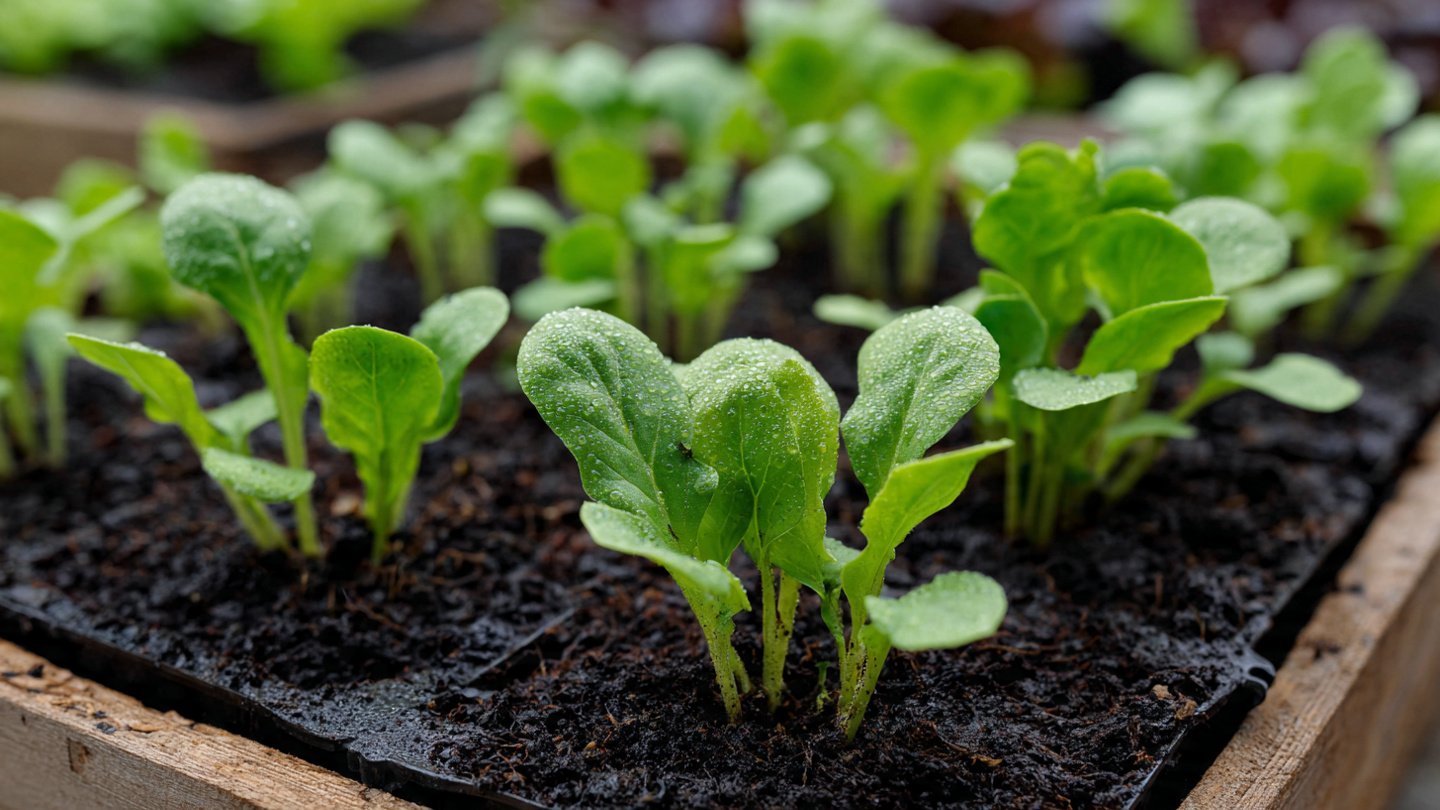
Rocket arugula, also known as Eruca sativa, is a leafy green prized for its peppery flavor, tender leaves, and versatility in salads, sandwiches, and cooking. Unlike many vegetables, arugula is fast-growing, low-maintenance, and can thrive in a variety of home gardening environments, from backyard beds to container gardens or even windowsills. For beginners, growing rocket arugula at home is both satisfying and accessible, offering a continuous supply of fresh, nutrient-packed greens. This ultimate guide provides step-by-step instructions to help beginners cultivate healthy arugula plants with minimal effort.
Understanding Rocket Arugula
Rocket arugula is an annual leafy green that grows best in cool conditions. It belongs to the Brassicaceae family, which includes broccoli, kale, and mustard greens. Known for its distinctive spicy flavor, arugula adds a flavorful punch to dishes while being rich in vitamins A, C, K, and minerals such as calcium and potassium.
Arugula grows quickly, often ready for harvest within three to five weeks of sowing. Its rapid growth and ability to thrive in partial shade make it ideal for beginners and urban gardeners who may have limited space. Arugula is also versatile in terms of planting, tolerating soil types from sandy to loamy as long as drainage is adequate.
Choosing the Right Variety
Several varieties of rocket arugula are available, each with slightly different flavors, leaf shapes, and growth habits. Popular varieties include:
- ‘Astro’ – Known for its mild flavor and slow bolting, suitable for spring and fall planting.
- ‘Diplomat’ – Large leaves with a peppery flavor, ideal for continuous harvest.
- ‘Roquette’ – Classic arugula with strong flavor, commonly used in European salads.
- ‘Sylvetta’ – Delicate leaves with a mild taste, perfect for container gardens.
Choosing the right variety depends on your climate, taste preference, and available space. Mild-flavored types are great for beginners who may want a more subtle arugula taste.
Selecting the Ideal Growing Location
Arugula prefers cool temperatures, typically between 45°F and 65°F, and can tolerate light frost. Choose a location with:
- Full Sun or Partial Shade: Arugula grows best with at least 4–6 hours of sunlight daily. In hotter climates, partial shade can prevent bolting.
- Well-Draining Soil: Avoid waterlogged areas, as arugula roots are shallow and prone to rot. Raised beds or containers with drainage holes work well.
- Protection from Strong Winds: Arugula leaves are tender, so wind protection helps prevent damage.
For container gardeners, a sunny balcony or windowsill with indirect light can be sufficient, provided the plants receive adequate water.
Soil Preparation
Healthy soil ensures strong growth and flavorful leaves. Arugula thrives in soil that is:
- Rich in Organic Matter: Incorporate compost or well-rotted manure to supply nutrients.
- Slightly Acidic to Neutral pH: Aim for a pH between 6.0 and 7.0.
- Light and Loose: Avoid compacted soil, as arugula roots are shallow and need loose soil to expand.
Before planting, mix in organic fertilizer or balanced slow-release nutrients to give young seedlings a strong start. For container gardening, use high-quality potting soil mixed with perlite or vermiculite for drainage.
Sowing Rocket Arugula Seeds
Arugula is typically grown from seeds, and beginners will find sowing straightforward. Here’s how to do it:
- Direct Sowing: Sow seeds directly into prepared soil at a depth of ¼ to ½ inch. Space seeds about 1 inch apart in rows or scatter for a more natural planting style.
- Container Sowing: Fill a container or window box with potting mix, and plant seeds evenly, ¼ inch deep. Cover lightly with soil.
- Watering: Gently water to keep the soil evenly moist. Avoid overwatering, as seeds may rot.
- Germination: Arugula seeds typically germinate within 5–10 days, depending on temperature and moisture.
For continuous harvest, consider sowing seeds every 2–3 weeks. This ensures a steady supply of fresh leaves throughout the growing season.
Caring for Seedlings
Once seedlings emerge, proper care helps them grow strong and healthy:
- Thinning: Thin seedlings to 3–6 inches apart once they have 2–3 true leaves. Crowded plants produce smaller, weaker leaves.
- Watering: Keep the soil consistently moist but not waterlogged. Shallow roots require regular watering, especially in containers.
- Fertilization: Apply a diluted, balanced liquid fertilizer every 2–3 weeks to support leafy growth.
Avoid using high-nitrogen fertilizers excessively, as this can lead to overly tender leaves prone to pests and disease.
Protecting from Pests and Diseases
While arugula is relatively hardy, it can attract common garden pests such as:
- Aphids: Small insects that cluster on leaves and stems.
- Flea Beetles: Tiny black beetles that leave small holes in leaves.
- Slugs and Snails: Particularly in damp environments.
Simple methods to control pests include handpicking, introducing beneficial insects like ladybugs, or using natural sprays such as neem oil. Maintaining clean planting areas and avoiding overcrowding also reduces disease risk.
Managing Bolting
Bolting occurs when arugula plants produce flowers and seeds prematurely, often due to heat stress or long daylight hours. Bolted leaves become bitter and tough.
Prevent bolting by:
- Planting in cooler months of spring or fall.
- Providing partial shade during hot weather.
- Harvesting leaves regularly to encourage continued leafy growth.
Some varieties are slow-bolting, making them ideal for beginners in warmer climates.
Harvesting Rocket Arugula
Arugula is ready to harvest quickly, often within 3–5 weeks of sowing:
- Cut-and-Come-Again: Snip outer leaves first, leaving the central leaves to continue growing.
- Full Plant Harvest: For a larger batch, harvest the entire plant, but be aware this ends that cycle of growth.
- Harvest Timing: Pick leaves in the morning for the freshest flavor and crisp texture.
Regular harvesting encourages new growth and extends the harvesting season.
Container Gardening Tips
Rocket arugula is perfect for container gardening, especially for beginners without a traditional garden:
- Use pots that are at least 6–8 inches deep to accommodate roots.
- Ensure containers have adequate drainage holes.
- Position containers in sunny locations and rotate periodically for even light exposure.
- Fertilize and water consistently, as container soil dries faster than garden beds.
Container-grown arugula can thrive indoors with sufficient light, making it ideal for urban apartments or small spaces.
Continuous Harvest and Succession Planting
To maintain a constant supply of arugula, practice succession planting:
- Sow new seeds every 2–3 weeks.
- Rotate harvesting areas in larger beds to avoid depletion.
- Replenish containers after 4–5 harvest cycles with fresh soil and new seeds.
This method ensures that you always have fresh, tender leaves for salads, sandwiches, and cooking.
Nutritional and Culinary Benefits
Rocket arugula is a nutrient powerhouse:
- Vitamins: High in A, C, and K.
- Minerals: Contains calcium, iron, and potassium.
- Antioxidants: Supports overall health and immune function.
Culinary uses include fresh salads, sandwiches, pesto, soups, and as a topping for pizzas or grilled dishes. Its spicy flavor pairs well with mild greens and sweet fruits.
Troubleshooting Common Issues
Common beginner challenges include:
- Slow Germination: Ensure seeds are fresh and soil is consistently moist.
- Bitter Leaves: Avoid bolting and harvest young leaves for the best flavor.
- Leggy Seedlings: Provide sufficient light and avoid overcrowding.
With simple adjustments, most problems can be easily resolved.
Final Thoughts
Rocket arugula is one of the easiest and most rewarding greens to grow at home, making it perfect for beginners. Its fast growth, minimal care requirements, and culinary versatility provide a satisfying gardening experience. By choosing the right variety, providing well-drained soil, maintaining consistent moisture, and harvesting regularly, anyone can enjoy fresh, peppery arugula leaves all season long.
Whether grown in garden beds, raised containers, or windowsill pots, arugula adapts well to home environments and offers quick results. With this ultimate guide, beginners can confidently start growing rocket arugula at home and enjoy the benefits of fresh, flavorful, and nutrient-rich greens with minimal effort.