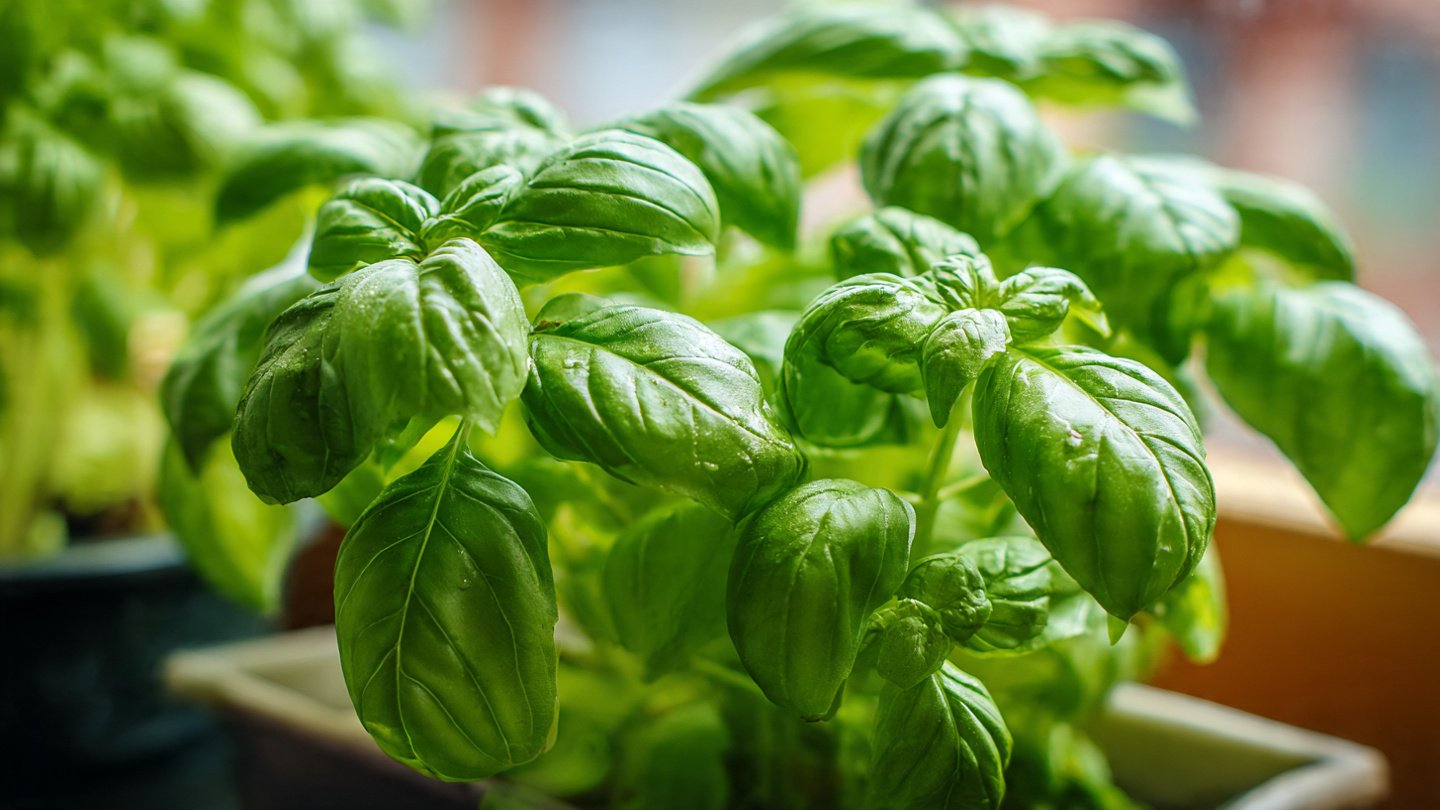
Basil is prized for its fragrant, tender leaves that enhance countless dishes, from fresh salads to rich sauces. However, one of the most common frustrations for gardeners is basil flowering too early. Once basil begins to flower, leaf production slows, flavor changes, and the plant shifts its energy away from lush foliage. To achieve maximum leaf harvest, it is essential to understand how basil grows and how to delay or prevent flowering. This ultimate guide explains proven techniques to grow basil without flowering, helping you enjoy continuous, high-quality leaf production throughout the growing season.
Understanding Why Basil Flowers
Basil is an annual herb that naturally progresses through stages of growth, flowering, and seed production. Flowering is triggered by maturity, environmental stress, and changes in light and temperature. Once basil senses it has reached its reproductive stage, it produces flower buds at the tips of stems.
Flowering signals the end of peak leaf production. The plant redirects nutrients and energy toward producing seeds, resulting in smaller, tougher leaves with a more bitter taste. Preventing flowering is not about stopping the plant’s natural cycle entirely, but about managing growth conditions to keep basil focused on leaf development for as long as possible.
Choosing the Right Basil Variety
Some basil varieties are naturally slower to flower than others. Selecting the right type is the first step toward long-lasting leaf production. Genovese basil, sweet basil, and lettuce-leaf basil tend to produce abundant foliage and respond well to regular pruning. Thai basil and purple basil often flower more quickly, especially in warm conditions.
For maximum leaf yield, choose varieties known for vigorous vegetative growth. Slower-bolting types provide more time for harvesting before flowering becomes an issue.
Planting Basil for Continuous Growth
Proper planting sets the foundation for non-flowering basil. Basil prefers warm temperatures, loose soil, and good drainage. Planting in nutrient-rich, well-aerated soil promotes steady leaf production and reduces stress that can trigger early flowering.
Space plants adequately to prevent overcrowding. When basil plants are too close together, they compete for light, nutrients, and air circulation. This stress often accelerates flowering. Giving each plant enough room allows it to grow strong and leafy rather than rushing toward reproduction.
The Importance of Regular Pruning
Pruning is the single most effective technique for preventing basil from flowering. Basil flowers form at the tips of stems. By regularly removing the top growth, you stop flower buds before they develop and encourage the plant to produce more side shoots.
Begin pruning once the plant has at least six to eight sets of leaves. Cut just above a leaf node, where two new stems will form. This creates a bushier plant with more leaf-producing branches. Never allow flower buds to remain on the plant, even briefly, as their presence signals the plant to continue flowering.
Harvesting the Right Way
Harvesting basil correctly is closely tied to pruning. Instead of picking individual leaves, harvest entire stem tips. This method maintains the plant’s shape and prevents tall, leggy growth that leads to flowering.
Harvest frequently, even if you do not immediately need the leaves. Regular harvesting keeps the plant in a vegetative state and prevents it from reaching maturity too quickly. Avoid harvesting more than one-third of the plant at a time, as excessive removal can stress the plant and encourage flowering.
Managing Sunlight Exposure
Basil thrives in sunlight, but excessive heat and intense light can cause stress that triggers flowering. Ideally, basil should receive six to eight hours of sunlight daily. In very hot climates, providing light afternoon shade helps slow bolting.
If growing basil indoors, place it near a bright window with indirect light. Consistent lighting encourages steady leaf growth without the shock of extreme temperature changes. Sudden shifts in light exposure often cause basil to flower prematurely.
Temperature Control for Leaf Production
Temperature plays a major role in basil flowering. Basil grows best in warm but moderate conditions. Extreme heat speeds up maturity and flowering, while cold temperatures stress the plant.
During heat waves, water basil consistently and consider mulching to keep roots cool. If grown in containers, move plants to slightly shaded areas during the hottest part of the day. Keeping basil comfortable slows its internal clock and extends leaf production.
Watering Without Stress
Inconsistent watering is a common cause of early flowering. Basil prefers evenly moist soil. Allowing soil to dry out completely, followed by heavy watering, stresses the plant and signals it to reproduce.
Water deeply and regularly, ensuring excess water drains freely. Avoid waterlogged soil, as root stress can also trigger flowering. Mulching helps maintain consistent moisture levels and reduces temperature fluctuations around the roots.
Feeding Basil Properly
Nutrition influences whether basil focuses on leaves or flowers. Excessive nitrogen can produce rapid growth followed by early flowering, while nutrient deficiency can stress the plant into bolting.
Use a balanced fertilizer or compost to support steady growth. Light, regular feeding is more effective than heavy applications. Organic fertilizers release nutrients slowly, maintaining consistent growth without sudden surges that push the plant toward flowering.
Container Growing for Better Control
Growing basil in containers offers greater control over growing conditions. Containers allow you to manage soil quality, water levels, and sunlight exposure more precisely. They also make it easier to move plants during extreme weather.
Choose containers with good drainage and enough space for root development. Root-bound basil is more likely to flower early. Repotting or dividing plants when necessary keeps growth steady and leaf-focused.
Removing Flowers Immediately
Despite best efforts, basil may still attempt to flower. When this happens, immediate action is crucial. Pinch off flower buds as soon as they appear. Remove not only the bud but also the stem below it, cutting back to the nearest healthy leaf node.
This signals the plant to redirect energy back to leaf production. Delaying removal allows the plant to commit to flowering, making it harder to reverse the process.
Managing Plant Age
Basil is naturally short-lived. Even with perfect care, older plants eventually flower. To maintain continuous leaf production, stagger plantings every few weeks. This ensures younger plants are always available as older ones begin to decline.
Growing basil from cuttings is another effective method. Cuttings root quickly and produce fresh, leafy plants that take longer to flower than mature ones.
Stress Reduction Is Key
Stress is the primary trigger for flowering. Heat stress, water stress, nutrient imbalance, overcrowding, and pest damage all contribute to bolting. Keeping basil healthy and comfortable is the most reliable way to delay flowering.
Inspect plants regularly for pests or disease. Address problems early to prevent stress responses. Healthy plants remain in vegetative growth longer and produce more flavorful leaves.
Indoor Basil for Year-Round Leaf Production
Growing basil indoors allows near-total control over flowering triggers. Stable temperatures, consistent light, and regular pruning make it easier to maintain leaf production year-round.
Use grow lights if natural light is insufficient. Maintain moderate temperatures and harvest frequently. Indoor basil rarely flowers when properly managed, making it ideal for maximum leaf yield.
Common Mistakes That Cause Flowering
Allowing basil to grow too tall without pruning is one of the most common mistakes. Ignoring early flower buds, inconsistent watering, overcrowding, and excessive heat also accelerate flowering.
Understanding these mistakes helps gardeners adjust care practices before flowering becomes a problem.
Conclusion
Growing basil without flowering is entirely achievable with the right techniques. By choosing suitable varieties, planting correctly, pruning regularly, managing sunlight and temperature, and reducing stress, you can keep basil focused on producing abundant, flavorful leaves.
Consistent care and attentive harvesting transform basil from a short-lived herb into a long-lasting source of fresh greens. With these techniques, maximum leaf production is not a matter of luck but of informed, intentional gardening.