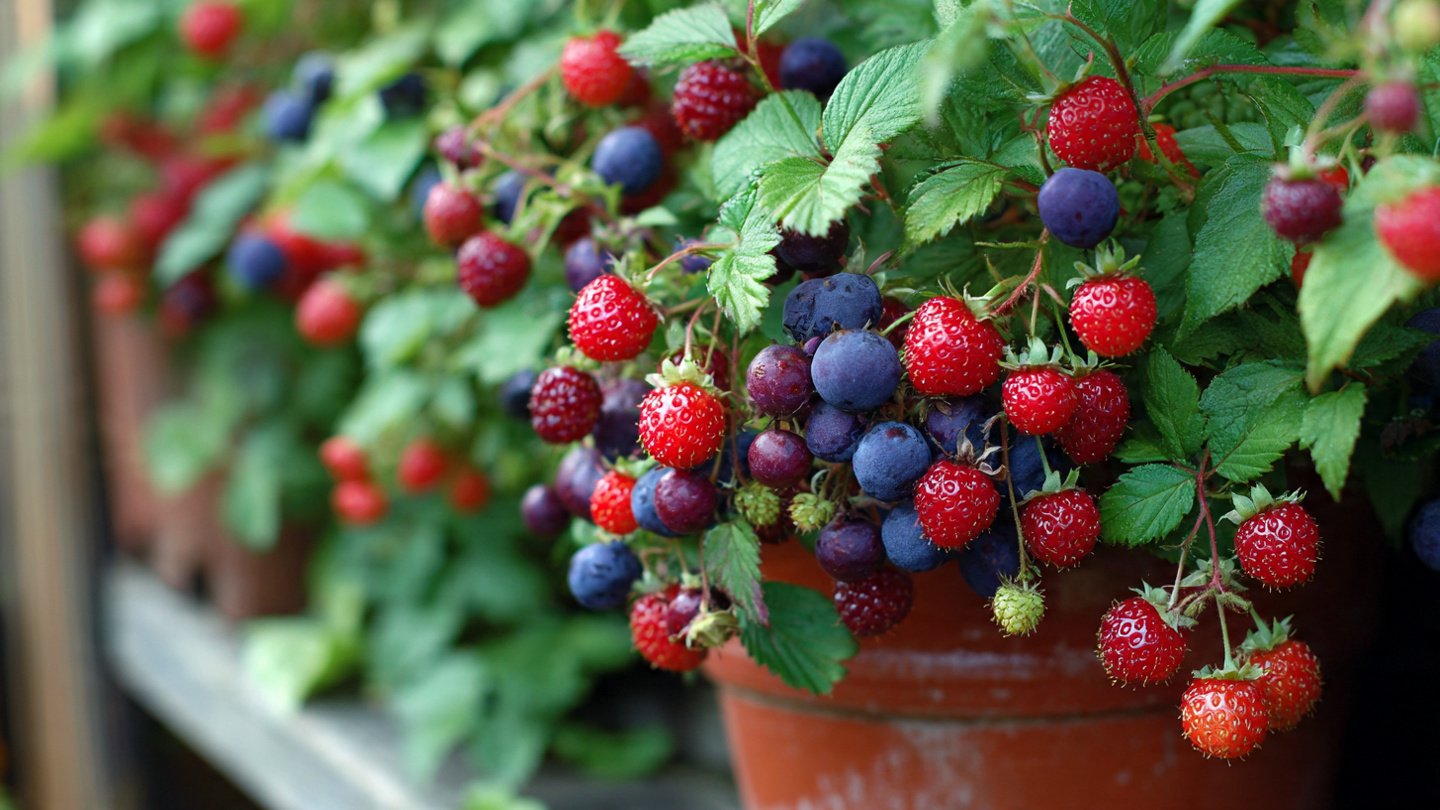
Berries are not only delicious and packed with nutrients, but they also bring vibrant colors and textures to any garden. From sweet strawberries to juicy blueberries and tangy raspberries, growing berries in containers is an excellent way to enjoy fresh fruit year-round, even if you lack a traditional garden space. Container gardening is perfect for patios, balconies, and small yards, and with the right techniques, a mixed berry container garden can flourish beautifully. This ultimate guide provides step-by-step instructions to help you create a thriving, colorful, and productive berry garden in containers.
Choosing the Right Berry Varieties
The first step in creating a successful mixed berry container garden is selecting suitable berry varieties. Consider the space you have, climate, and container size. Popular options include:
- Strawberries: Ideal for hanging baskets or shallow containers. Varieties like ‘Earliglow’ and ‘Seascape’ produce sweet, juicy fruits throughout the season.
- Blueberries: Require acidic soil and deep pots. Varieties such as ‘Bluecrop’ or ‘Patriot’ perform well in containers.
- Raspberries: Compact or dwarf varieties, like ‘Raspberry Shortcake’ or ‘Heritage’, are suitable for pots.
- Blackberries: Dwarf or semi-compact varieties, such as ‘Baby Cakes’, work well in larger containers.
Choosing varieties that are suited for container growth ensures easier maintenance, better yields, and healthy plants. Mixing different berries also provides continuous harvests and adds visual diversity.
Selecting Containers
Containers are a critical component of a berry garden. The right pot provides adequate space, drainage, and stability for healthy growth. Consider the following guidelines:
- Size: Blueberries and raspberries need deep pots (12–18 inches or more) to accommodate their root systems, while strawberries thrive in shallower containers (6–8 inches).
- Material: Plastic, ceramic, and resin pots are suitable. Clay pots are attractive but dry out faster, so they may require more frequent watering.
- Drainage: Ensure each container has multiple drainage holes to prevent waterlogging, which can lead to root rot.
For a visually striking mixed berry garden, consider using pots of different shapes, colors, and heights. Grouping containers together not only maximizes space but also creates a dynamic focal point on patios or balconies.
Soil and Planting Mix
Berries have specific soil requirements, particularly regarding acidity and fertility. Creating the right planting mix is essential for container success:
- Strawberries: Well-draining, slightly acidic soil with a pH of 5.5–6.5. Mix potting soil with compost for added fertility.
- Blueberries: Require acidic soil (pH 4.5–5.5). Use an acidifying potting mix or add peat moss to regular potting soil.
- Raspberries and Blackberries: Rich, loamy soil with good drainage and pH between 6.0–6.5. Add organic matter like compost or well-rotted manure.
For mixed berry containers, layer the soil appropriately or use individual pots grouped together, adjusting the soil type for each berry species. This ensures each plant receives the conditions it prefers while maintaining an attractive, integrated arrangement.
Planting Your Berry Garden
Planting in containers requires careful attention to spacing and depth. Follow these steps:
- Fill the container with prepared soil, leaving a few inches at the top for watering.
- Remove plants from nursery pots and gently loosen the roots.
- Place each plant at the same depth it was growing previously. For strawberries, position the crown at soil level; for blueberries and raspberries, plant at the same depth as in the pot.
- Space plants appropriately to allow airflow and growth. Strawberries can be close together, while raspberries and blueberries need more space to prevent overcrowding.
- Water thoroughly after planting to settle the soil and remove air pockets.
Proper planting ensures strong root establishment and a productive growing season.
Light Requirements
Berries require full sun for optimal fruit production. Place containers in a location that receives 6–8 hours of direct sunlight daily. Sunlight promotes flowering, fruit set, and sweeter berries.
If natural light is limited, particularly on balconies or indoors, consider supplementing with LED grow lights. Position lights 12–18 inches above the plants and provide 12–14 hours of light per day to mimic outdoor conditions.
Watering Techniques
Container-grown berries dry out faster than garden-grown plants, so consistent watering is crucial:
- Keep soil evenly moist but not soggy. Overwatering can cause root rot, while underwatering stresses plants and reduces fruit size.
- Water early in the morning to reduce fungal risk.
- Mulch the soil surface with straw or bark to retain moisture and regulate temperature.
For larger containers, drip irrigation or self-watering pots can simplify watering and maintain consistent moisture levels.
Fertilization and Nutrition
Berries are nutrient-demanding, and container growth limits their access to soil nutrients. Use slow-release or liquid fertilizers to support growth and fruiting:
- Strawberries: Balanced fertilizer high in nitrogen during vegetative growth, switching to potassium and phosphorus during flowering.
- Blueberries: Acid-loving fertilizer with added iron and magnesium.
- Raspberries and Blackberries: All-purpose organic fertilizer or compost tea monthly.
Avoid over-fertilizing, which can produce lush foliage at the expense of fruit. Regular feeding ensures robust plants, better fruit size, and continuous harvest.
Pruning and Maintenance
Pruning encourages airflow, reduces disease, and promotes more vigorous growth. Guidelines for container berries include:
- Strawberries: Remove runners if you want larger fruits or leave some for new plant propagation.
- Blueberries: Prune old wood and weak stems after harvest to stimulate new growth.
- Raspberries and Blackberries: Cut back canes that have fruited, and train new canes to grow upright with stakes or trellises.
Regular maintenance keeps plants manageable in containers and maximizes yield.
Pest and Disease Management
Container gardening reduces some pest pressure but does not eliminate it. Common issues include aphids, spider mites, and powdery mildew. Control measures include:
- Inspect plants regularly and remove affected leaves.
- Use insecticidal soap or neem oil as a natural deterrent.
- Ensure proper spacing and airflow to prevent fungal diseases.
- Rotate containers or move plants occasionally to reduce stress and pest buildup.
Healthy, vigorous plants are more resistant to pests, ensuring a consistent harvest.
Harvesting Tips
The reward for all your effort is ripe, flavorful berries. Harvest tips include:
- Pick strawberries when fully red and firm.
- Blueberries are ready when they turn deep blue and come off easily.
- Raspberries and blackberries should be plump, deeply colored, and detach easily.
- Harvest regularly to encourage continuous fruit production.
Handle berries gently to avoid bruising, and enjoy fresh fruit immediately or store in the refrigerator for short-term use.
Companion Planting in Containers
For an extra touch of vibrancy, consider companion planting within the same container or nearby pots. Herbs like basil, mint, or thyme deter pests, while edible flowers like nasturtiums or marigolds attract pollinators and add visual appeal. Companion plants enhance aesthetics and contribute to a healthier micro-environment for your berries.
Seasonal Care
Berry container gardens require attention across seasons:
- Spring and Summer: Focus on flowering, fruiting, and pest management.
- Fall: Prune spent canes, fertilize lightly, and prepare containers for winter.
- Winter (for cold climates): Protect blueberries and other perennials with insulation or move containers indoors. Strawberries may tolerate light frost but benefit from mulch protection.
Seasonal care ensures longevity and maintains productivity in your container garden.
Conclusion
Creating a vibrant mixed berry container garden is both rewarding and practical. By selecting the right varieties, providing suitable containers and soil, ensuring proper sunlight, watering, fertilization, pruning, and pest management, you can enjoy a continuous supply of fresh, colorful berries even in limited spaces.
Container gardening offers flexibility, beauty, and convenience. Whether you’re a city dweller with a balcony or a homeowner with a patio, growing strawberries, blueberries, raspberries, and blackberries together creates a visually stunning and productive garden. By following these strategies, your container garden will not only yield delicious fruit but also become a lively, thriving centerpiece for your outdoor space.
With consistent care and attention, your mixed berry container garden can flourish year-round, providing fresh, nutrient-rich berries for your kitchen and a colorful, inviting display for your home.