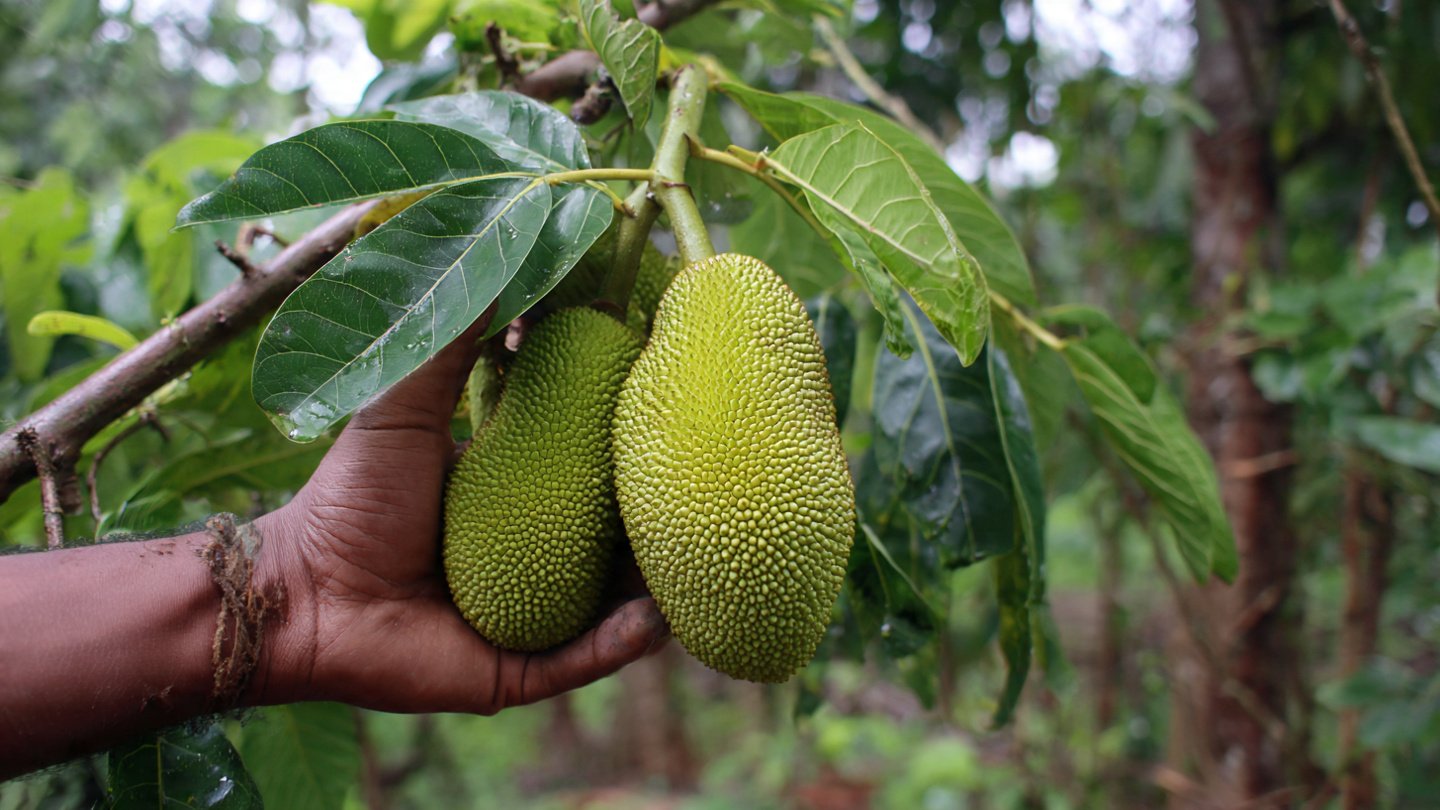
Jackfruit (Artocarpus heterophyllus) is one of the most remarkable tropical fruits, prized for its massive size, unique flavor, and versatility in both sweet and savory dishes. While jackfruit trees can be grown from seeds, seed-grown trees often take 8–10 years to bear fruit and may produce inconsistent quality. Grafting is the most reliable method to propagate superior jackfruit varieties, ensuring bigger, better, and faster harvests. With the right approach, even beginners can successfully graft jackfruit trees, producing healthy plants that bear high-quality fruits in a fraction of the time compared to seed-grown trees.
Why Grafting Jackfruit Matters
Grafting is a propagation technique that joins a scion—a selected branch from a desired variety—to a rootstock. The scion dictates the fruit’s characteristics, while the rootstock provides the foundation and support. In jackfruit, grafting ensures uniformity in fruit quality, faster flowering, and early fruiting. Unlike seed-grown trees, which often show wide variation in fruit size, taste, and yield, grafted jackfruit trees reliably reproduce the desired traits of the parent plant.
Additionally, grafted trees are easier to manage in terms of pruning, disease resistance, and harvest planning. By choosing a vigorous rootstock and a high-performing scion, gardeners can optimize tree health and productivity.
Selecting the Right Rootstock
The choice of rootstock is critical for grafting success. Healthy, vigorous jackfruit seedlings 6–12 months old are ideal rootstocks. The seedling should be free from pests and diseases, with a straight stem about 1–2 centimeters in diameter. Seedlings grown from seeds of high-yielding or hardy jackfruit trees are preferred. Rootstocks should be strong enough to support the grafted scion and encourage early flowering.
Choosing the Scion
The scion determines the quality of the fruit, so selection is crucial. Choose a scion from a healthy, productive jackfruit tree that produces desirable traits such as large fruit size, excellent taste, and disease resistance. Semi-hardwood branches with 3–5 nodes are ideal. Avoid old, woody branches or overly young shoots, as these may have lower grafting success.
Timing for Grafting
The best time to graft jackfruit is during the active growing season when sap flow is strong, typically in spring or early summer. Active growth encourages faster healing and cambial connection between the scion and rootstock. Avoid grafting during heavy rain, extreme heat, or dry periods, as environmental stress can reduce success rates.
Step-by-Step Jackfruit Grafting Technique
- Preparation of Tools
Gather a sharp grafting knife, sterilizing agent, grafting tape, grafting wax, and scissors. Clean tools reduce the risk of infection and ensure precise cuts. Sterilize blades with alcohol before each use. - Preparing the Rootstock
Select a healthy rootstock and make a clean, horizontal cut about 30–40 centimeters above the soil. Remove the top of the seedling, leaving a smooth surface. Carefully create a cleft or slant cut in the center of the cut surface, about 2–3 centimeters deep, to receive the scion. The cleft should be clean and precise for optimal cambial contact. - Preparing the Scion
Cut the scion into a wedge shape at its base, matching the cleft of the rootstock. Remove leaves from the lower nodes, leaving a few at the top to sustain photosynthesis. Ensure the scion fits snugly into the cleft without forcing it, which could damage the cambium. Proper alignment of the cambium layers is crucial for a successful graft. - Inserting the Scion
Insert the scion into the rootstock’s cleft, ensuring the cambium of the scion aligns with that of the rootstock. A tight fit is essential to facilitate nutrient flow and rapid healing. The wedge-shaped scion should sit securely within the cleft without leaving gaps. - Securing the Graft
Wrap the graft junction tightly with grafting tape to hold the scion in place and protect it from environmental stress. Seal the edges with grafting wax or paraffin to prevent moisture loss, infection, and desiccation. Proper sealing enhances the chances of a successful union and prevents the scion from drying out. - Aftercare
Place the grafted plant in partial shade for the first 2–3 weeks to reduce stress and allow the graft to establish. Avoid direct sunlight or harsh winds that may dry out the scion. Water the rootstock moderately to maintain consistent moisture without waterlogging. Monitor the graft daily for signs of wilting, infection, or misalignment. - Monitoring and Removing Tape
Within 3–4 weeks, the graft should begin to show signs of union, such as swelling, new leaf growth, or active sap flow. Once the scion shows strong growth, carefully remove the tape to prevent constriction. Avoid disturbing the graft site before union is established, as this can cause failure.
Ensuring High Grafting Success
Several factors contribute to the high success rate of jackfruit grafting. Precise cambial alignment is essential, as it allows the scion and rootstock to form a continuous vascular connection. Using healthy, disease-free plant material reduces the risk of graft failure. Environmental conditions such as moderate temperatures, indirect light, and consistent humidity improve grafting success.
Choosing vigorous rootstocks and quality scions increases the likelihood of rapid growth and early flowering. Proper aftercare, including shade, watering, and protection from pests, further ensures the graft develops into a healthy, productive tree.
Benefits of Grafted Jackfruit Trees
- Faster Fruit Production – Grafted trees often bear fruit within 3–5 years, compared to 8–10 years for seed-grown trees.
- Bigger and Better Fruits – Grafting preserves desirable fruit traits, including size, flavor, and texture.
- Uniform Growth – Unlike seedlings, grafted trees produce consistent fruits year after year.
- Disease Resistance – By selecting scions from healthy, robust parent trees, grafted plants inherit stronger resistance to common jackfruit pests and diseases.
- Compact Growth – Proper pruning combined with grafting allows for more manageable tree size, facilitating harvesting and maintenance.
Pruning and Maintenance
After grafting, regular pruning encourages healthy growth and fruit production. Remove any competing shoots from the rootstock below the graft site, as these can divert energy from the scion. Maintain a central leader or open-center shape to improve air circulation and sunlight penetration. Thin out crowded branches during the growing season to enhance fruit size and reduce disease risk.
Fertilize grafted jackfruit trees regularly with a balanced fertilizer rich in nitrogen, phosphorus, and potassium. Organic fertilizers, such as compost or well-rotted manure, support sustained growth and soil health. Mulching around the base conserves moisture, suppresses weeds, and regulates soil temperature.
Pest and Disease Management
Even grafted jackfruit trees are susceptible to pests and diseases. Common threats include mealybugs, scales, aphids, and fruit flies, while fungal infections like anthracnose can affect leaves and fruits. Early detection and management are crucial. Use organic or chemical treatments as needed and maintain proper sanitation by removing fallen leaves and damaged fruits. Strong, vigorous trees resulting from grafting are better able to resist pests and disease naturally.
Harvesting Grafted Jackfruit
Grafted jackfruit trees produce larger, higher-quality fruits than seed-grown trees. Fruits are ready to harvest when the outer skin turns yellowish-green and emits a strong sweet aroma. Depending on the variety, fruits may weigh anywhere from 10 to 50 kilograms or more. Harvest carefully using a sharp knife to avoid damaging the tree or fruit. Proper harvesting techniques encourage continuous flowering and fruiting in subsequent seasons.
Conclusion
Grafting jackfruit using a simple cleft or wedge technique is one of the easiest and most effective ways to achieve bigger, better, and faster harvests. By selecting vigorous rootstocks and high-quality scions, ensuring precise cambial alignment, and providing proper aftercare, gardeners can produce healthy, productive trees in a fraction of the time required for seed-grown plants.
The benefits of grafting—faster fruiting, consistent quality, disease resistance, and manageable tree size—make it an essential method for both backyard enthusiasts and commercial growers. With patience and attention to detail, even beginners can master this technique, transforming ordinary seedlings into extraordinary jackfruit trees that deliver abundant, flavorful fruits year after year.
Grafting not only saves time but also guarantees uniformity in fruit quality, allowing gardeners to enjoy the full potential of premium jackfruit varieties. By following this step-by-step guide, anyone can harness the power of grafting to cultivate jackfruit trees that are stronger, more productive, and ready to delight with exceptional fruits season after season.