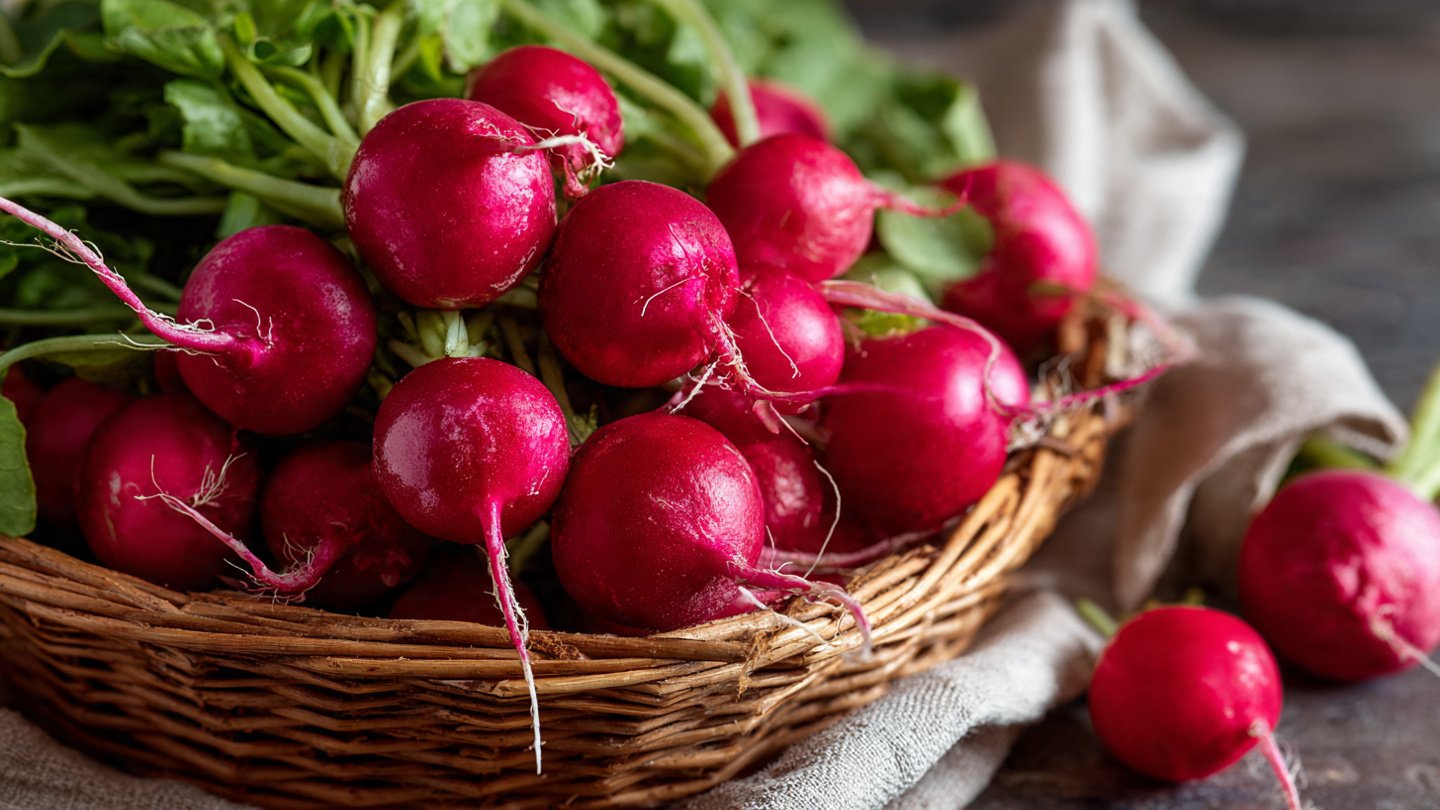
Red radishes are among the easiest and fastest-growing vegetables for home gardeners. Known for their crisp texture, peppery flavor, and vibrant color, they are perfect for small gardens, container planting, or even kitchen windowsills. Beyond their quick growth, red radishes are highly nutritious, offering a rich source of vitamin C, potassium, and dietary fiber. With a few simple techniques, you can grow red radishes at home and enjoy them in a variety of fresh and cooked dishes. This guide covers everything from planting and care to harvesting and culinary ideas.
Choosing the Right Red Radish Varieties
The first step in growing red radishes at home is selecting the right variety for your space and taste preference. Popular varieties for home gardening include:
- Cherry Belle: Classic small, round radishes with bright red skin and crisp white flesh.
- French Breakfast: Elongated, mild-flavored radishes ideal for snacking.
- Sparkler: Round, red-skinned radishes with a sweet and mild flavor.
- Icicle: White-skinned variety with a long, crunchy root, perfect for salads.
Choose varieties based on your desired harvest time and intended culinary use. Quick-maturing varieties like Cherry Belle can be harvested in as little as 25 days, making them excellent for beginners and impatient gardeners.
Preparing the Soil
Red radishes thrive in well-drained, loose soil rich in organic matter. They grow best in soil with a pH of 6.0–7.0. Compact or clay-heavy soil can lead to misshapen roots, while overly sandy soil may not retain enough moisture.
Steps for preparing radish soil at home:
- Clear the area: Remove rocks, weeds, and debris that can obstruct root growth.
- Loosen the soil: Use a fork or hoe to till the soil to a depth of 6–8 inches.
- Add organic matter: Incorporate compost, well-rotted manure, or leaf mold to improve fertility and texture.
- Level the surface: Smooth the soil to create a uniform bed for planting seeds.
For container gardening, use a high-quality potting mix with added perlite or sand for drainage. Choose a container at least 8–12 inches deep to allow proper root development.
Planting Red Radishes
Red radishes are easy to sow directly into the garden or containers. Follow these guidelines for successful planting:
- Timing: Radishes prefer cool weather. Plant in early spring or late summer for a fall harvest. They grow best in temperatures between 50°F and 70°F (10°C–21°C).
- Spacing: Sow seeds about ½ inch deep and 1 inch apart. Thin seedlings to 2 inches apart once they emerge. Rows should be spaced 8–12 inches apart.
- Succession planting: For continuous harvest, sow seeds every 10–14 days. This ensures fresh radishes are available throughout the season.
Container planting follows the same principles, ensuring each seed has enough space to develop a healthy root.
Watering and Fertilization
Red radishes require consistent moisture to grow crisp and tender. Uneven watering can lead to woody or bitter roots.
- Watering: Keep the soil evenly moist, watering at the base of the plants to avoid wetting foliage, which can lead to disease.
- Fertilization: Radishes are light feeders. Incorporate compost before planting and apply a balanced, slow-release fertilizer if needed. Avoid excessive nitrogen, which can produce lush foliage but reduce root quality.
Mulching around the plants helps retain soil moisture, suppress weeds, and maintain a stable soil temperature. Straw or shredded leaves work well as mulch for home radish beds.
Sunlight Requirements
Red radishes thrive in full sun but can tolerate partial shade. For best results, provide at least 4–6 hours of sunlight daily. In hot climates, afternoon shade can prevent roots from becoming woody and reduce bolting (premature flowering).
Controlling Pests and Diseases
Although radishes are relatively pest-resistant, home gardeners may encounter occasional problems. Common pests and solutions include:
- Flea beetles: Tiny insects that chew small holes in leaves. Use row covers or neem oil to protect seedlings.
- Aphids: Remove by spraying water or using insecticidal soap.
- Root maggots: Rotate crops and cover seedlings with fine mesh to prevent infestation.
Diseases are often related to environmental conditions. Avoid overwatering and ensure good spacing for airflow to reduce the risk of downy mildew or leaf spot.
Harvesting Red Radishes
One of the most rewarding aspects of growing red radishes at home is their fast growth. Most varieties are ready to harvest within 25–60 days, depending on the type.
Harvesting tips:
- Size: Pull radishes when roots reach 1–2 inches in diameter for optimal flavor and texture.
- Regular harvesting: Harvest promptly, as leaving radishes in the ground too long can make them tough, woody, or overly spicy.
- Leaf use: Radish greens are edible and nutritious. Use them in salads, soups, or sautéed dishes for added flavor and vitamins.
Check your radish patch daily once roots begin developing, as rapid growth can quickly change the size and flavor of the roots.
Storing Red Radishes
Freshly harvested radishes have the best flavor but can be stored for later use.
- Short-term storage: Keep unwashed radishes in a perforated plastic bag in the refrigerator for up to two weeks.
- Long-term storage: For extended shelf life, remove greens, store roots in a cool, humid place, or pickle them for months.
Proper storage preserves the crispness and peppery flavor that make red radishes so versatile in the kitchen.
Cooking and Using Red Radishes
Red radishes are highly versatile, lending themselves to a wide range of culinary uses. They can be enjoyed raw, roasted, sautéed, pickled, or incorporated into soups and stews. Here are some popular ways to cook and serve them:
- Raw in salads: Slice thinly or quarter radishes for a crisp, peppery addition to fresh salads. Combine with cucumbers, carrots, and leafy greens for vibrant color and flavor.
- Roasted radishes: Toss with olive oil, salt, and pepper, then roast at 400°F (200°C) for 20–25 minutes. Roasting mellows the spiciness and brings out natural sweetness.
- Sautéed: Slice and sauté with garlic and butter for a simple side dish.
- Pickled radishes: Quick-pickle in vinegar, sugar, and salt for a tangy, crunchy condiment.
- Radish greens: Chop and add to soups, stews, or stir-fries. Their mild, peppery flavor enhances many dishes and reduces waste.
Experimenting with different cooking methods allows you to enjoy the unique taste and texture of radishes in multiple meals throughout the week.
Health Benefits of Red Radishes
In addition to being flavorful, red radishes offer numerous health benefits:
- Rich in vitamins: High in vitamin C, supporting immune health.
- Digestive health: Dietary fiber promotes healthy digestion.
- Low-calorie: Makes radishes ideal for weight-conscious diets.
- Antioxidant properties: Helps reduce oxidative stress in the body.
- Hydrating: Radishes have a high water content, contributing to hydration in cold and dry winter months.
Including red radishes in your diet provides both nutrition and a vibrant pop of color in your meals.
Tips for Year-Round Radish Gardening
To enjoy red radishes year-round, consider the following strategies:
- Succession planting: Sow seeds every few weeks to maintain a continuous harvest.
- Container gardening: Grow radishes in pots on balconies or windowsills to extend the season.
- Cold protection: Use row covers, cold frames, or cloches to grow radishes even during frost-prone months.
- Crop rotation: Avoid planting radishes in the same soil repeatedly to reduce disease and pests.
- Interplanting: Pair radishes with slower-growing crops like carrots or lettuce to maximize space.
With these techniques, radishes can become a reliable, fast-growing crop that supplements your meals and keeps your home garden productive throughout the year.
Conclusion
Growing red radishes at home is simple, rewarding, and versatile. From selecting the right variety and preparing the soil to planting, watering, and harvesting, these crisp, peppery vegetables thrive in both garden beds and containers. Red radishes are fast-growing, cold-tolerant, and require minimal maintenance, making them perfect for beginner and experienced gardeners alike.
Beyond their ease of growth, red radishes offer countless culinary possibilities. Whether eaten raw, roasted, sautéed, or pickled, they add vibrant flavor and color to meals. Additionally, radish greens provide an extra layer of nutrition and reduce food waste.
By following these techniques, you can create a productive radish patch or container garden, enjoy frequent harvests, and incorporate this nutritious vegetable into your diet with ease. Growing red radishes at home not only provides delicious produce but also enhances your culinary creativity and contributes to a more self-sufficient, sustainable lifestyle.