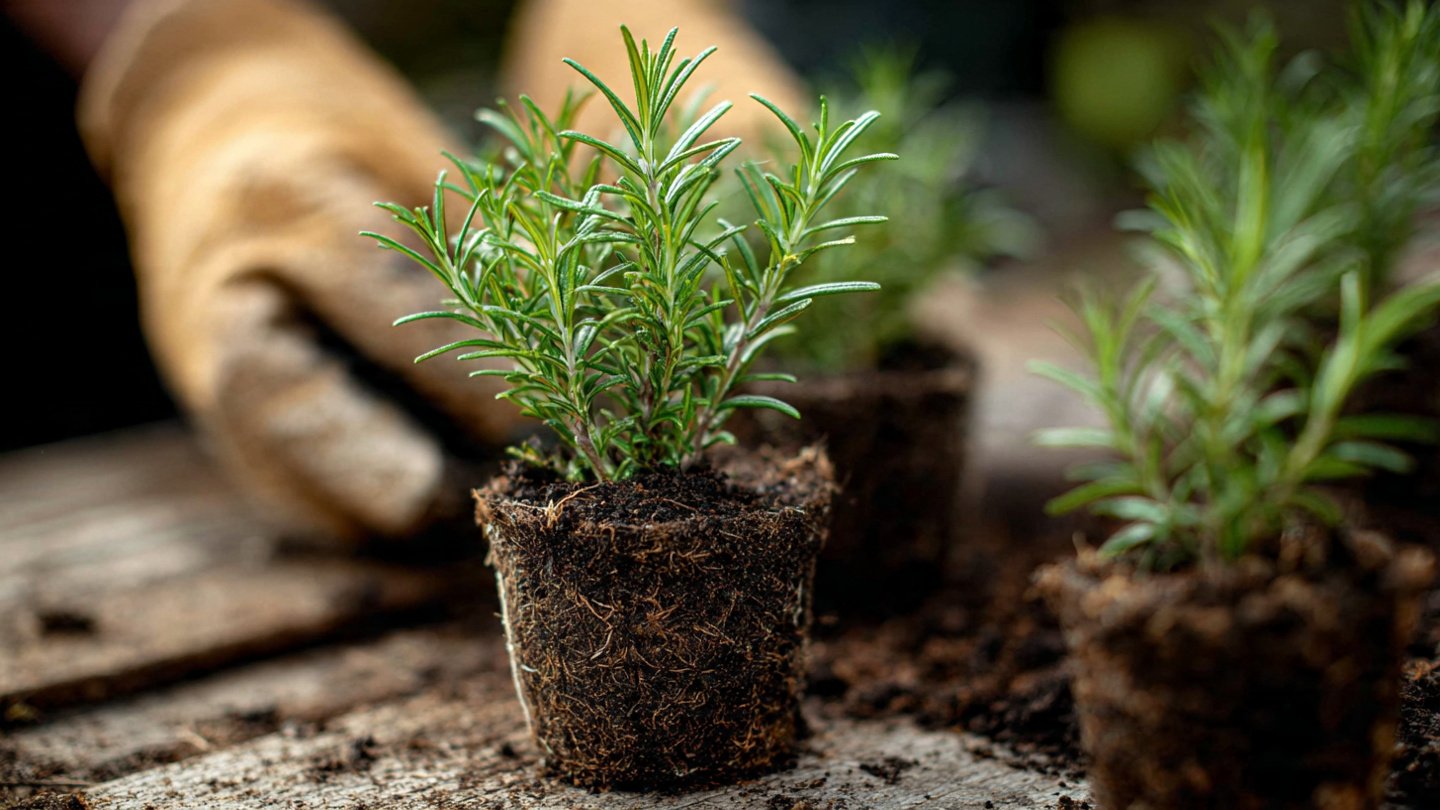
Rosemary is a fragrant, evergreen herb valued for its culinary, medicinal, and ornamental uses. While it can be grown from seeds, propagation through softwood cuttings is the most reliable and beginner-friendly method. Growing rosemary from softwood cuttings allows gardeners to produce healthy, true-to-type plants faster than seed propagation. This method is ideal for beginners because it has a high success rate, requires minimal equipment, and delivers consistent results. This step by step guide explains everything you need to know to successfully grow rosemary from softwood cuttings, from selecting the right stems to caring for young plants as they establish strong roots.
Understanding Softwood Cuttings
Softwood cuttings are taken from new, flexible growth that appears in spring or early summer. This type of growth is not yet woody and bends easily without snapping. Softwood cuttings root faster than hardwood cuttings because they are actively growing and contain higher moisture levels. For rosemary, softwood cuttings offer the perfect balance between tenderness and strength, making them ideal for beginners learning plant propagation.
Rosemary cuttings grow into identical copies of the parent plant, preserving flavor, aroma, and growth habits. This ensures consistency, especially if the parent plant is healthy and productive.
Choosing the Right Time for Propagation
Timing is crucial when growing rosemary from softwood cuttings. The best time to take cuttings is during late spring or early summer when the plant is producing fresh growth. Avoid taking cuttings during extreme heat or cold, as temperature stress reduces rooting success.
Early morning is the ideal time to collect cuttings because the plant is fully hydrated. Moist stems are less likely to wilt and more likely to develop strong roots.
Selecting a Healthy Parent Plant
Always start with a strong, disease-free rosemary plant. Choose a plant that shows vibrant green foliage, firm stems, and no signs of pests or fungal issues. A healthy parent plant passes its strength to the cutting, increasing the chances of successful rooting.
Avoid taking cuttings from flowering stems. Flowering diverts energy away from root development, making it harder for the cutting to establish itself. Instead, choose young, non-flowering shoots with active leaf growth.
Taking the Softwood Cuttings
Using clean, sharp scissors or pruning shears, cut a stem that is approximately four to six inches long. Make the cut just below a leaf node, as this area contains hormones that promote root development. Take several cuttings at once to increase your chances of success.
Remove the leaves from the lower half of the cutting, leaving a few leaves at the top. This reduces moisture loss while allowing the cutting to focus its energy on root formation. If the remaining leaves are large, trim them slightly to minimize water loss.
Preparing the Rooting Medium
A well-draining rooting medium is essential for rosemary cuttings. Heavy or compact soil retains too much moisture and can cause the cutting to rot. A suitable mix includes equal parts sand and peat, perlite and coco peat, or a lightweight seed-starting mix.
Fill small pots or seed trays with the prepared medium and water lightly to moisten it before inserting the cuttings. The soil should be damp but not soggy.
Optional Use of Rooting Hormone
Using a rooting hormone is optional but helpful for beginners. Rooting hormone encourages faster and stronger root development. Dip the cut end of the rosemary cutting into the hormone powder or gel, tapping off any excess before planting.
While rosemary can root without hormone assistance, using it increases success rates, especially in warmer or drier conditions.
Planting the Cuttings
Make a small hole in the soil using a pencil or stick to avoid scraping off the rooting hormone. Insert the cutting about one to two inches deep into the medium, ensuring the stripped portion of the stem is buried. Gently press the soil around the stem to hold it upright.
If planting multiple cuttings in one container, space them a few inches apart to prevent overcrowding and improve airflow.
Creating the Right Environment
Rosemary cuttings need warmth, humidity, and indirect light to root successfully. Place the pots in a bright area away from direct sunlight, which can cause dehydration. A temperature range between 18°C and 24°C is ideal.
To maintain humidity, cover the pot loosely with a clear plastic bag or use a propagation dome. Ensure there is some airflow by opening the cover daily to prevent mold or fungal growth. Avoid sealing the cover completely, as trapped moisture can cause rot.
Watering and Moisture Management
Consistent moisture is essential, but overwatering is one of the most common mistakes beginners make. Keep the soil slightly moist but never waterlogged. Check moisture levels daily by touching the surface of the soil.
Mist the cuttings lightly if they appear dry, especially in warm environments. Proper drainage ensures excess water escapes, preventing stem rot and fungal infections.
Monitoring Root Development
Rosemary cuttings typically take two to four weeks to develop roots. During this period, avoid disturbing the cuttings. After a few weeks, gently tug on the stem. Resistance indicates root formation.
Once roots have developed, new leaf growth often appears at the top of the cutting. This is a clear sign that the cutting is establishing itself successfully.
Transplanting Rooted Cuttings
After four to six weeks, rooted rosemary cuttings are ready for transplanting. Choose a pot with good drainage and fill it with well-draining soil enriched with compost. Carefully remove the cutting from its original container, keeping the root ball intact.
Plant the rooted cutting at the same depth it was growing previously. Water lightly after transplanting to help the roots settle. Gradually expose the young plant to more sunlight over several days to prevent shock.
Caring for Young Rosemary Plants
Young rosemary plants need consistent care to thrive. Place them in a sunny location where they receive at least six hours of sunlight daily. Allow the soil to dry slightly between watering, as rosemary prefers drier conditions once established.
Avoid heavy fertilization during the early growth stage. A light application of compost or diluted liquid fertilizer after a few weeks is sufficient. Excess nutrients can lead to weak, leggy growth.
Hardening Off and Outdoor Planting
If you plan to move rosemary plants outdoors, harden them off gradually. Expose the plants to outdoor conditions for a few hours each day, increasing exposure over one to two weeks. This process helps the plant adjust to sunlight, temperature changes, and airflow.
Once hardened, plant rosemary in well-draining soil in a sunny location. Proper spacing allows good air circulation and reduces disease risk.
Common Mistakes to Avoid
Beginners often struggle with overwatering, poor drainage, and excessive humidity. Always ensure containers drain well and avoid soaking the cuttings. Using dull or dirty tools can introduce disease, so sterilize cutting tools before use.
Taking cuttings that are too soft or too woody reduces success rates. Selecting healthy, flexible stems ensures better rooting and stronger plant development.
Benefits of Growing Rosemary From Cuttings
Growing rosemary from softwood cuttings is cost-effective, efficient, and rewarding. It allows gardeners to multiply plants quickly while maintaining desirable characteristics. Cuttings mature faster than seedlings and are more resilient once established.
This propagation method also builds confidence for beginners, serving as an excellent introduction to plant propagation techniques.
Conclusion
Growing rosemary from softwood cuttings is one of the easiest and most reliable ways for beginners to propagate this versatile herb. By selecting healthy parent plants, taking cuttings at the right time, using a well-draining medium, and maintaining proper moisture and light conditions, gardeners can achieve excellent results with minimal effort.
With patience and consistent care, softwood cuttings develop into strong, aromatic rosemary plants suitable for containers or garden beds. This step by step method not only ensures successful propagation but also provides a deeper understanding of plant growth, making it a valuable skill for any beginner gardener.