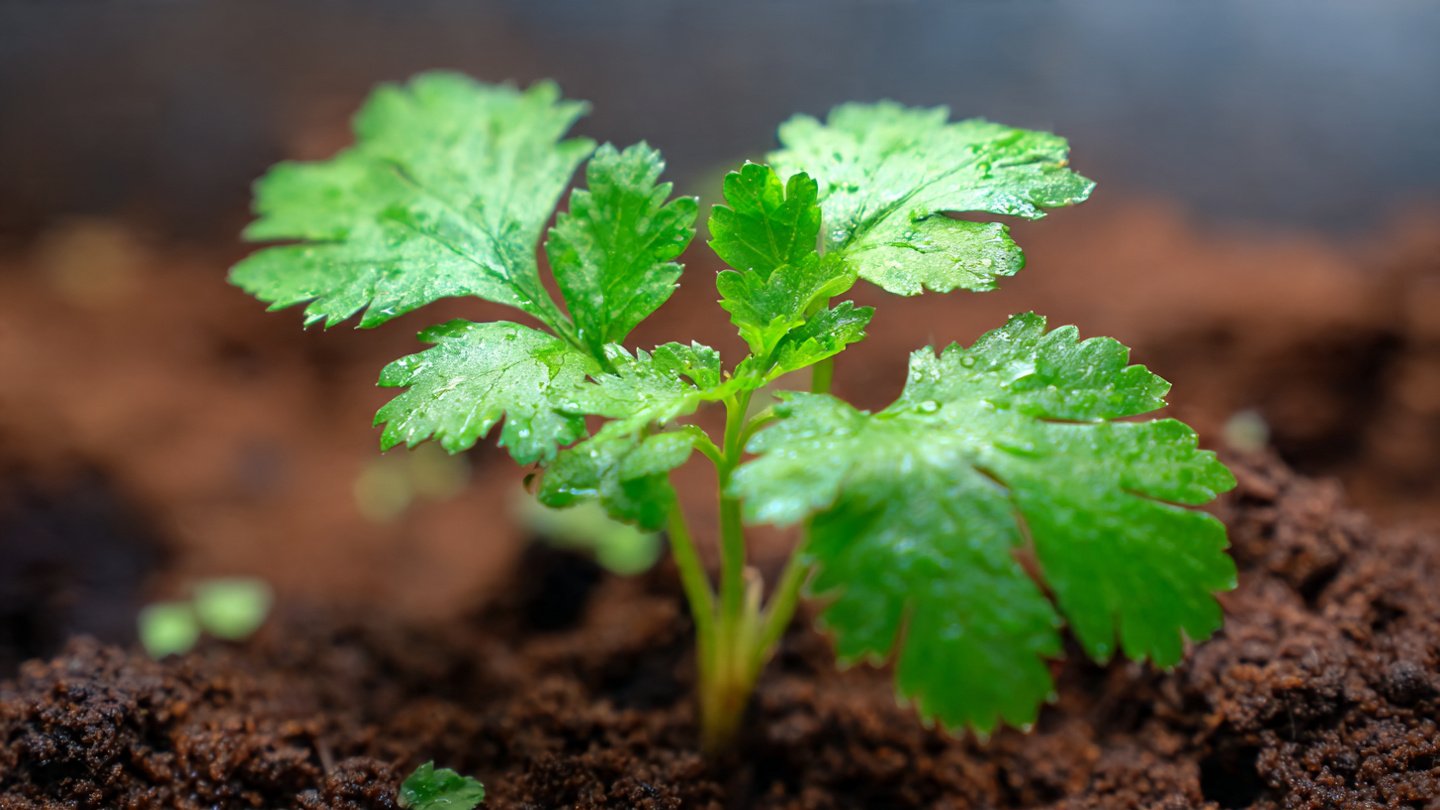
Coriander, also known as cilantro in many parts of the world, is a versatile herb widely used in cooking for its fresh, citrusy flavor and aromatic leaves. Its seeds are also prized in many culinary traditions. Growing coriander at home can be incredibly rewarding, offering a constant supply of fresh greens, but it comes with a common challenge: bolting. Bolting is when the plant prematurely flowers and produces seeds, often causing the leaves to become bitter and reducing the overall yield. Fortunately, there are several simple and effective techniques gardeners can use to grow coriander successfully without experiencing bolting.
Understanding Bolting in Coriander
Before diving into the practical techniques, it is essential to understand what bolting is and why it occurs. Bolting is a natural process where a plant transitions from vegetative growth to reproductive growth. For coriander, this means the plant shifts from producing lush, tender leaves to flowering and setting seeds. Bolting is triggered by several environmental and physiological factors, including high temperatures, long daylight hours, and plant stress.
Coriander is a cool-season herb that thrives in moderate temperatures. When exposed to heat or abrupt changes in climate, the plant perceives it as a signal to reproduce, leading to bolting. Additionally, mature coriander plants that have been growing for too long may naturally bolt as part of their life cycle. By managing these triggers, gardeners can extend the leafy growth phase and enjoy a consistent harvest.
Choosing the Right Varieties
One of the simplest ways to prevent bolting is to select coriander varieties that are slow to bolt. Some cultivars have been specifically bred to withstand higher temperatures and resist early flowering. Common slow-bolting varieties include ‘Santo,’ ‘Leisure,’ and ‘Caribe.’ These varieties are ideal for home gardeners who want a longer harvesting period without worrying about the plant turning bitter quickly.
Additionally, consider using hybrid seeds that offer improved bolting resistance. While these may cost slightly more, the extended harvest period and higher leaf quality make them worthwhile. Choosing the right seeds is the foundation for a successful coriander-growing experience.
Timing Your Planting
Planting coriander at the right time is critical for preventing bolting. Since coriander prefers cooler weather, it is best planted in early spring or late summer, depending on your climate zone. In regions with mild winters, coriander can also be grown in the fall. Avoid planting during the peak heat of summer, as high temperatures are a primary trigger for bolting.
Staggering your planting is another effective strategy. Instead of planting all seeds at once, sow small batches every two to three weeks. This ensures a continuous supply of fresh leaves while reducing the risk of losing an entire crop to bolting. Staggered planting also allows you to manage the growth conditions more effectively.
Proper Soil Preparation
Coriander grows best in well-draining, fertile soil with a slightly acidic to neutral pH (around 6.2 to 6.8). Preparing the soil properly can significantly reduce stress on the plants, one of the main causes of bolting. Start by loosening the soil and incorporating organic matter, such as compost or well-rotted manure. This not only improves drainage but also enhances nutrient availability.
Avoid heavy or compacted soils, as they can lead to root stress, which increases the likelihood of bolting. Additionally, mulching around the plants can help maintain soil moisture and temperature, creating a stable environment that encourages leafy growth instead of flowering.
Providing Adequate Watering
Consistent and adequate watering is crucial for preventing bolting. Coriander prefers evenly moist soil but does not tolerate waterlogged conditions. Water the plants regularly, ensuring that the soil remains damp but not soggy. Irregular watering or prolonged dry periods can stress the plant, prompting it to bolt prematurely.
Using drip irrigation or a soaker hose can provide a steady supply of water directly to the roots while minimizing evaporation. Mulching with organic materials, such as straw or shredded leaves, helps retain soil moisture and keeps the root zone cool, further reducing stress and delaying bolting.
Optimizing Sunlight Exposure
Coriander requires full sun to partial shade for optimal growth. However, excessive direct sunlight, especially during hot weather, can accelerate bolting. In warmer climates, providing partial shade during the hottest part of the day can protect the plants from heat stress.
Shade cloths, garden netting, or strategically planting coriander near taller plants can create a cooler microclimate. By controlling sunlight exposure, gardeners can slow the transition from leaf growth to flowering, keeping the coriander leaves tender and flavorful for a longer period.
Regular Harvesting
Frequent harvesting is an effective method to prevent bolting and encourage continuous growth. By trimming the outer leaves regularly, the plant is stimulated to produce new foliage instead of diverting energy to flowering. Harvest leaves early in the morning when they are most flavorful, and avoid cutting more than one-third of the plant at a time to prevent undue stress.
Pinching off flower buds as they appear is also critical. Even if the plant shows signs of bolting, removing the buds promptly can redirect energy back to leaf production. This simple technique can significantly extend the harvesting period and maintain leaf quality.
Fertilization Practices
Balanced nutrition is essential for preventing bolting. Coriander benefits from a nitrogen-rich fertilizer, which promotes leafy growth. Apply a slow-release organic fertilizer at planting and supplement with liquid feeding every few weeks during the growing season.
Avoid excessive phosphorus or potassium, as these nutrients encourage flowering and seed production. Using natural fertilizers such as compost tea, fish emulsion, or well-rotted manure supports healthy growth while minimizing the risk of bolting.
Temperature Management
Since coriander is sensitive to heat, managing temperature is key in preventing bolting. In cooler months, the plant grows steadily, producing tender leaves. During warm weather, consider using shade structures, garden cloches, or row covers to shield plants from high temperatures.
Indoor or container gardening is another effective solution. Growing coriander in pots allows for greater control over temperature and exposure to sunlight. Containers can be moved to cooler, shaded areas during heatwaves, reducing stress and preventing premature flowering.
Companion Planting
Certain companion plants can help create favorable conditions for coriander growth. Plants like lettuce, spinach, and other leafy greens provide partial shade and reduce soil temperature, indirectly delaying bolting. Avoid planting coriander near crops that compete aggressively for nutrients or space, as this can stress the herb and trigger early flowering.
Herbs such as basil and parsley can also be planted nearby. These herbs not only share similar growing requirements but can help maintain a balanced microenvironment that supports healthy coriander growth.
Pests and Disease Management
While bolting is primarily influenced by environmental factors, pests and diseases can exacerbate stress and encourage premature flowering. Aphids, caterpillars, and fungal infections can weaken plants, making them more prone to bolting.
Regular monitoring, proper spacing for airflow, and using natural pest deterrents like neem oil or insecticidal soap can help maintain healthy plants. Keeping the growing area clean and free of debris reduces the likelihood of disease, ensuring that coriander can focus on leaf production rather than survival.
Using Cold Stratification
Cold stratification is a technique that exposes coriander seeds to a brief period of cold before planting. This simulates natural winter conditions and can delay bolting by stabilizing the plant’s growth cycle. Soak seeds in water for 24 hours and then refrigerate them for a few days before sowing. This simple step improves germination rates and can enhance the plant’s resistance to premature flowering.
Conclusion
Growing coriander without experiencing bolting is achievable with careful planning and attention to the plant’s needs. Understanding the causes of bolting, selecting slow-bolting varieties, timing your planting, and maintaining proper soil, water, and temperature conditions are the foundation of successful coriander cultivation.
Regular harvesting, balanced fertilization, companion planting, and pest management further support healthy, leafy growth. With these techniques, home gardeners can enjoy a continuous supply of fresh, flavorful coriander leaves for months, enhancing culinary dishes and elevating the garden experience.
By following these simple strategies, bolting becomes a minor challenge rather than a recurring problem, making coriander cultivation both enjoyable and rewarding. Whether you are a seasoned gardener or a beginner, these methods ensure that your coriander plants thrive, providing fresh herbs that elevate every meal.