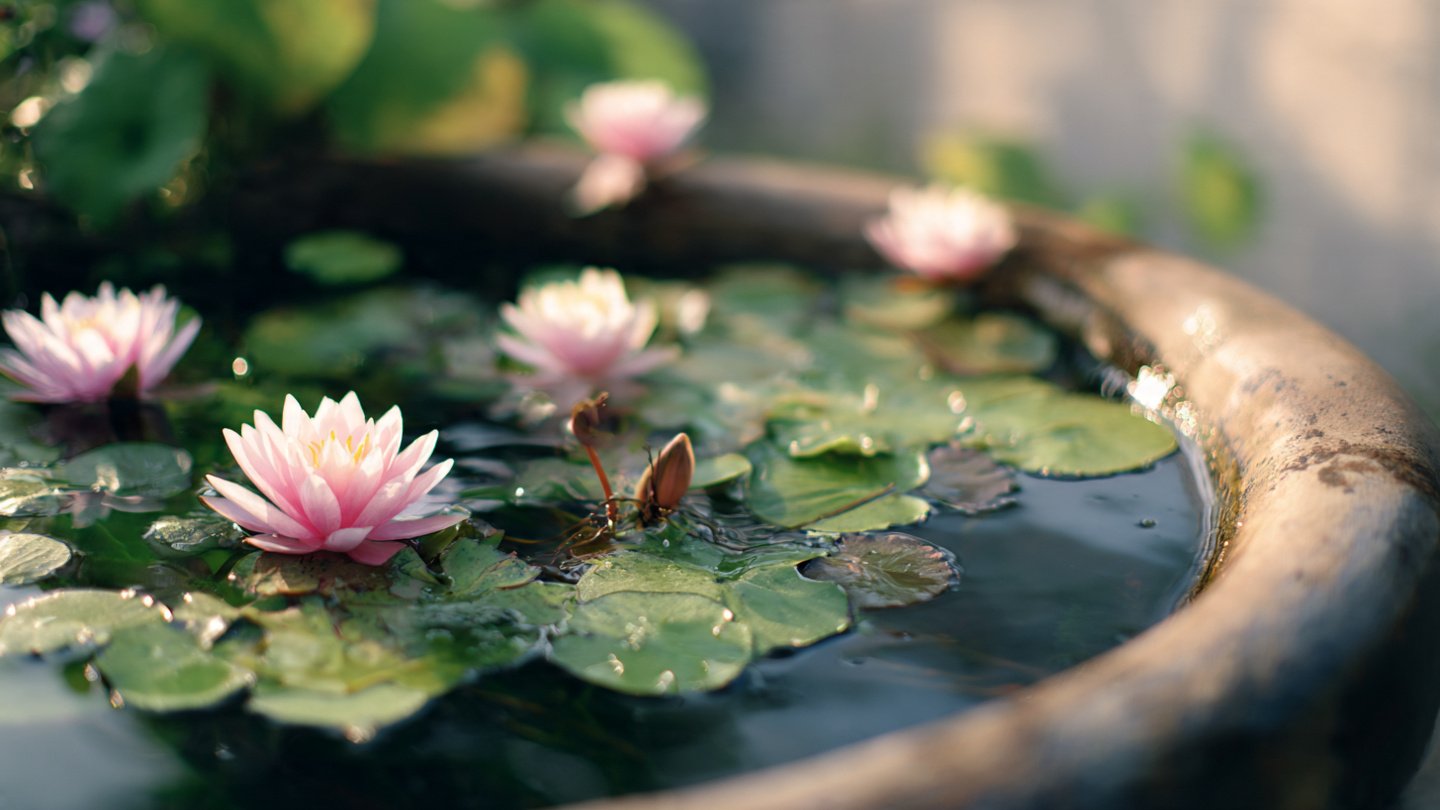
Lotus, with its large, radiant blooms and symbolic significance in many cultures, is a stunning addition to any garden. While often associated with ponds and water gardens, lotus plants can also thrive in containers, making them accessible to beginners and those with limited space. Growing lotus in a tub is an enjoyable and rewarding experience, allowing you to cultivate these elegant aquatic plants right at home. This guide provides simple, step-by-step instructions for successfully growing lotus in a tub, covering everything from seed selection to maintenance and flowering.
Why Grow Lotus in a Tub?
Lotus (Nelumbo nucifera) is renowned for its large, fragrant flowers and broad, floating leaves. Growing lotus in a tub offers several advantages:
- Space Efficiency: Ideal for patios, balconies, and small gardens where ponds are not feasible.
- Controlled Environment: Easier to manage water depth, soil conditions, and sunlight exposure.
- Visual Appeal: Lotus in a tub adds a serene, decorative element to any space.
- Symbolic and Cultural Value: Lotus flowers symbolize purity, enlightenment, and beauty, making them cherished ornamental plants.
- Beginner-Friendly: Growing in a tub simplifies the process, as you can manage soil, water, and sunlight more effectively.
By using a tub or container, you can enjoy the beauty and tranquility of lotus flowers without needing a large pond or specialized garden area.
Choosing the Right Lotus Variety
Selecting the appropriate lotus variety is crucial for tub cultivation. Consider the following types:
- Dwarf Lotus Varieties: Perfect for smaller tubs or container gardening. They produce smaller flowers but are easier to maintain.
- Standard or Giant Lotus Varieties: Ideal for large tubs or outdoor garden spaces; these produce impressive blooms and large leaves.
- Flower Color Varieties: Lotus flowers come in shades of pink, white, yellow, and red. Choose a variety that complements your garden’s aesthetic.
For beginners, dwarf or container-friendly varieties are recommended, as they are easier to manage and still produce beautiful blooms.
Selecting a Tub
The tub or container is one of the most critical components for successful lotus growth:
- Size: Lotus requires ample space for roots to spread. A tub at least 12–18 inches deep and 24 inches in diameter is ideal for dwarf varieties. Larger varieties may need bigger tubs.
- Material: Plastic, ceramic, or fiberglass tubs are suitable. Avoid porous materials that can leak water.
- Drainage: Do not use tubs with drainage holes, as lotus roots need standing water. If drainage holes exist, seal them to maintain water levels.
A well-chosen tub ensures proper root development, water retention, and stability for the plant.
Choosing and Preparing Lotus Tubers
Lotus is usually propagated from tubers, which are underground stems that store nutrients and develop into plants. Choosing healthy tubers is essential for successful growth:
- Select Healthy Tubers: Look for plump, firm tubers without soft spots or signs of rot.
- Check for Growing Points: Tubers have small, visible buds from which shoots will emerge. Ensure these are intact.
- Handle Carefully: Lotus tubers are delicate; avoid damaging buds during planting.
Proper preparation and handling of tubers increase the chances of rapid growth and healthy flowering.
Preparing the Soil
Lotus thrives in nutrient-rich, heavy soil that anchors roots and provides essential nutrients:
- Soil Type: Use clay or loam soil. Avoid sandy or potting mixes, as they may float and cloud the water.
- Fertilization: Mix slow-release aquatic fertilizer into the soil to encourage root and shoot development.
- Layering: Add a 2–3 inch layer of soil to the bottom of the tub, leaving room for water above. Avoid burying tubers too deep; shallow planting allows buds to sprout easily.
Well-prepared soil provides stability, nutrients, and an ideal environment for lotus tubers to establish.
Planting the Lotus
Planting lotus tubers in a tub requires care to avoid damaging growing points:
- Position Tubers: Place the tuber horizontally on top of the soil, with buds facing upward.
- Add Soil Carefully: Gently cover the tuber with 1–2 inches of soil. Avoid pressing too hard.
- Add Water: Slowly fill the tub with water to a depth of 2–4 inches above the soil. Ensure water is calm and free from chlorine, as strong chemicals can harm delicate shoots.
- Initial Placement: Place the tub in a warm, sunny location. Lotus requires 6–8 hours of direct sunlight per day for optimal growth.
Following these steps ensures tubers are planted correctly, promoting healthy sprouting and root establishment.
Maintaining Water Levels
Water management is crucial for lotus growth:
- Shallow Water for Young Plants: During the early growth stages, keep water levels shallow to encourage shoots to reach the surface.
- Increase Depth Gradually: Once leaves begin to float, gradually increase water depth to 6–12 inches to support mature plants.
- Avoid Overheating: In hot climates, ensure tubs do not overheat, as extreme temperatures can stress plants. Adding floating covers or partial shading can help.
Proper water management supports healthy root development and vibrant leaf growth.
Fertilization and Nutrient Management
Lotus plants are heavy feeders, requiring regular fertilization to produce large blooms:
- Aquatic Fertilizer: Use slow-release fertilizer tablets designed for water plants. Insert them into the soil near the roots every 3–4 weeks during the growing season.
- Avoid Leaf Fertilization: Fertilizer should be placed near roots rather than leaves to prevent burning.
- Monitor Growth: Yellowing leaves may indicate nutrient deficiency; adjust fertilizer as needed.
Consistent nutrition ensures strong root systems, lush leaves, and abundant flowering.
Managing Pests and Diseases
Lotus is generally hardy but can face challenges from pests and diseases:
- Aphids: Small insects that feed on leaves and buds; spray with water or mild soap solution.
- Leaf Miners: Larvae that tunnel into leaves; remove affected leaves to prevent spread.
- Fungal Diseases: Overly wet or stagnant water can cause root rot or leaf spot; maintain clean water and avoid excessive overcrowding.
Monitoring plants regularly and addressing issues early ensures healthy, vibrant lotus growth.
Encouraging Flowering
The ultimate reward for growing lotus is its stunning flowers. To encourage flowering:
- Sunlight: Ensure lotus receives at least 6–8 hours of direct sunlight daily. Insufficient light reduces bloom production.
- Adequate Space: Overcrowded plants may produce fewer flowers; give tubers enough room to spread roots.
- Temperature: Lotus blooms best in warm temperatures above 70°F. Move tubs to sunnier or sheltered locations if needed.
- Patience: Lotus may take several months to flower. Regular care and proper nutrition eventually result in vibrant blooms.
By optimizing conditions, beginners can enjoy the spectacular beauty of lotus flowers in their tub gardens.
Winter Care
Lotus tubers are perennial but require special care during colder months:
- Indoor Storage: In colder climates, move tubs indoors or to a greenhouse before the first frost.
- Dormancy: Reduce watering and allow leaves to die back naturally. Tubers store energy for the next growing season.
- Temperature Control: Keep tubers above freezing temperatures to prevent damage.
Proper winter care ensures tubers survive and thrive in the following season.
Benefits of Growing Lotus in a Tub
- Decorative Appeal: Adds a peaceful, aesthetic element to patios, balconies, or garden spaces.
- Educational Value: Beginners can learn about aquatic plants, root systems, and flowering cycles.
- Low Maintenance: Once established, lotus tubers are resilient and require minimal care.
- Symbolic Significance: Lotus represents purity, beauty, and spiritual growth in many cultures.
Growing lotus in a tub combines beauty, education, and tranquility, making it a rewarding experience for gardeners of all skill levels.
Conclusion
Growing lotus in a tub is a simple, accessible way to bring the elegance and serenity of aquatic plants into your home garden. By selecting suitable tubers, preparing nutrient-rich soil, managing water levels, and providing proper sunlight and fertilization, beginners can enjoy vibrant, healthy lotus plants. Careful attention to pests, diseases, and winter dormancy ensures tubers thrive year after year.
Whether you are a gardening novice or an experienced enthusiast, growing lotus in a tub offers both visual beauty and the satisfaction of nurturing a remarkable plant. With patience, dedication, and these simple steps, you can cultivate lush leaves and stunning blooms that brighten your home and create a tranquil, nature-inspired retreat.