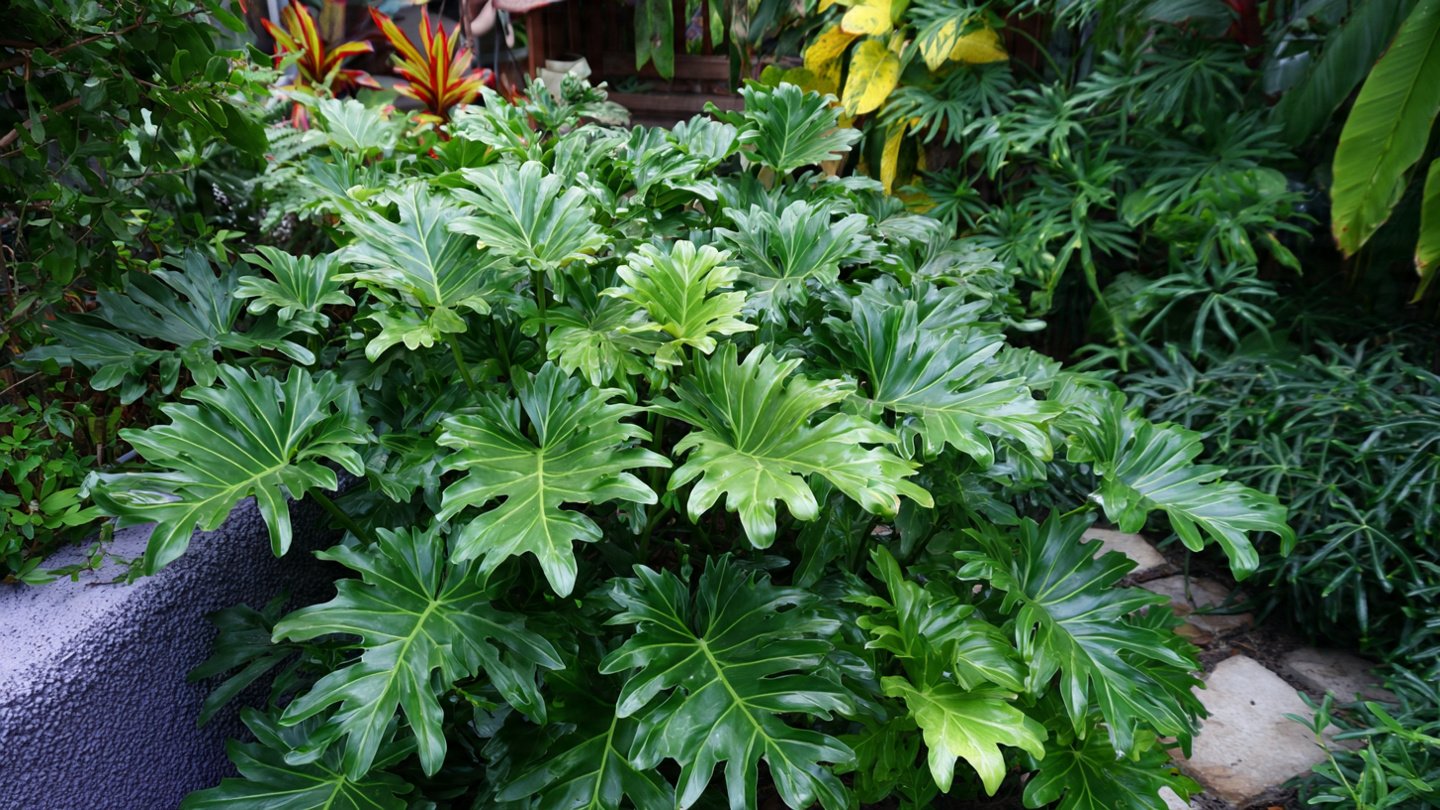
Philodendron Xanadu is a stunning tropical plant admired for its glossy, deeply lobed leaves, compact growth, and lush, symmetrical shape. Unlike climbing philodendrons, Xanadu grows as a clumping, self-contained shrub, making it perfect for garden beds, borders, and landscape accents. Its vibrant green foliage instantly adds a tropical feel to any outdoor space, creating a sense of exotic elegance. This guide will walk you through simple, practical steps to grow Philodendron Xanadu in your garden beds, ensuring a healthy, thriving plant that brings long-lasting beauty to your landscape.
Understanding Philodendron Xanadu
Before planting, it is essential to understand the characteristics and growth requirements of Philodendron Xanadu. Key features include:
- Growth Habit: Compact, clumping shrub that can reach 3–4 feet in height and spread.
- Foliage: Deeply lobed, glossy green leaves that radiate from a central crown.
- Climate Preference: Thrives in warm, tropical, and subtropical climates.
- Light Requirements: Performs well in partial shade to filtered sunlight, avoiding harsh direct sun that may scorch the leaves.
- Maintenance: Low-maintenance and pest-resistant, perfect for adding a tropical touch to garden beds.
Understanding these traits helps you create the ideal environment to encourage healthy, vigorous growth.
Selecting the Right Location
Choosing the proper site in your garden is critical for Philodendron Xanadu. Consider the following:
- Light: Provide partial shade or dappled sunlight. While Xanadu tolerates bright light, intense afternoon sun can burn its leaves.
- Soil: Prefers rich, well-draining soil with ample organic matter. Avoid heavy clay or compacted soils that retain water.
- Space: Ensure enough space for the plant to spread. Each plant should have about 3–4 feet of spacing to allow full growth and airflow.
By carefully selecting a location with ideal light and soil conditions, you set the stage for a healthy, tropical-looking garden bed.
Preparing the Soil
Healthy soil is the foundation for lush Philodendron Xanadu growth. Steps for preparing your garden bed include:
- Loosen the Soil: Dig to a depth of at least 12 inches to loosen compacted soil, ensuring roots can expand freely.
- Add Organic Matter: Mix in compost, well-rotted manure, or leaf mold to improve fertility and drainage.
- Adjust pH: Philodendron Xanadu prefers slightly acidic to neutral soil (pH 6.0–7.0). Conduct a soil test and adjust with lime or sulfur if necessary.
- Ensure Drainage: Incorporate perlite, coarse sand, or small gravel into the soil to prevent waterlogging.
Well-prepared soil promotes root development and supports vibrant, healthy foliage.
Planting Philodendron Xanadu
Planting Philodendron Xanadu in garden beds is straightforward if you follow these steps:
- Dig a Hole: Make a hole slightly larger than the root ball of your plant. This gives roots room to grow outward.
- Place the Plant: Position the plant in the center of the hole, ensuring the crown is at soil level.
- Backfill Soil: Gently fill the hole with prepared soil, pressing lightly to remove air pockets.
- Water Thoroughly: Immediately water the plant to settle the soil and provide initial moisture for root establishment.
Spacing multiple plants at 3–4 feet apart ensures a full, tropical appearance as they mature.
Watering for Optimal Growth
Philodendron Xanadu requires consistent moisture to maintain its lush appearance, but overwatering can lead to root rot. Consider these tips:
- Frequency: Water when the top 2 inches of soil feel dry. This usually translates to 1–2 times per week, depending on climate and rainfall.
- Deep Watering: Water deeply to encourage strong root growth and healthy foliage.
- Mulching: Apply a 2–3 inch layer of organic mulch around the base to conserve moisture, regulate soil temperature, and reduce weed growth.
Proper watering practices ensure the plant maintains vibrant green leaves and overall health.
Fertilization and Nutrient Management
Philodendron Xanadu benefits from regular feeding, especially during the growing season (spring and summer). Steps for optimal nutrition include:
- Balanced Fertilizer: Use a slow-release or liquid fertilizer with balanced N-P-K ratios (e.g., 10-10-10) to support foliage and overall growth.
- Frequency: Apply every 6–8 weeks for slow-release fertilizers or every 2–4 weeks for liquid fertilizers during active growth.
- Organic Options: Compost tea or seaweed extracts can boost soil nutrients naturally and promote healthy leaves.
Consistent fertilization encourages fuller, more vibrant foliage, enhancing the tropical appeal of your garden beds.
Pruning and Maintenance
Pruning Philodendron Xanadu helps maintain its shape and encourages new growth. Key practices include:
- Remove Dead Leaves: Trim yellow or damaged leaves at the base to prevent disease and maintain aesthetic appeal.
- Control Size: Lightly trim outer leaves to manage spread and keep a tidy, symmetrical appearance.
- Encourage Airflow: Pruning reduces overcrowding, which prevents pest infestations and fungal growth.
Regular maintenance ensures the plant remains lush, attractive, and healthy year-round.
Propagation Techniques
Expanding your Philodendron Xanadu collection is easy through division:
- Divide the Root Ball: Carefully remove the plant from the soil and gently separate clumps, ensuring each section has roots and healthy leaves.
- Replant Divisions: Plant each division in prepared soil in garden beds or containers.
- Water and Mulch: Provide initial moisture and a mulch layer to support establishment.
Propagation through division is simple and allows you to achieve multiple lush tropical focal points in your garden.
Pest and Disease Management
Philodendron Xanadu is relatively pest-resistant, but occasional problems can occur. Common pests and solutions include:
- Spider Mites: Use insecticidal soap or neem oil for control.
- Aphids: Spray with water or neem oil to prevent infestation.
- Root Rot: Ensure proper drainage and avoid overwatering.
Monitoring your plants regularly and addressing issues promptly ensures continuous healthy growth.
Enhancing the Tropical Aesthetic
To maximize the tropical appeal of Philodendron Xanadu in garden beds:
- Group Planting: Plant multiple Xanadu together for a fuller, jungle-like effect.
- Combine with Other Tropicals: Mix with ferns, calatheas, or cannas to create layered foliage textures.
- Add Mulch or Decorative Stones: Enhance visual appeal while maintaining soil moisture and temperature.
These strategies create a lush, vibrant garden that evokes a tropical paradise.
Winter Care and Seasonal Tips
In cooler climates, Philodendron Xanadu requires special attention:
- Frost Protection: Cover with frost cloth or bring container plants indoors during cold snaps.
- Reduced Watering: During winter dormancy, water less frequently to prevent root rot.
- Monitor Light: Ensure adequate light indoors or in protected areas to maintain leaf color and curl.
Seasonal care helps maintain healthy foliage and ensures the plant returns to vigorous growth in spring.
Conclusion
Growing Philodendron Xanadu in garden beds is an excellent way to create a lush, tropical look with minimal effort. By selecting the right location, preparing rich, well-draining soil, and providing consistent water, light, and nutrients, you can cultivate a healthy, thriving plant that enhances any landscape. Regular pruning, proper propagation, and vigilant pest management further support long-term health and aesthetics.
Whether used as a focal point, border plant, or grouped for a tropical garden effect, Philodendron Xanadu provides year-round beauty and structure with its glossy, deeply lobed foliage. Following these simple steps ensures your garden beds flourish with vibrant greenery, transforming your outdoor space into a tropical retreat filled with life, color, and texture. With care and attention, this striking plant will reward you with lush growth and a timeless tropical elegance that elevates the visual appeal of your garden for years to come.