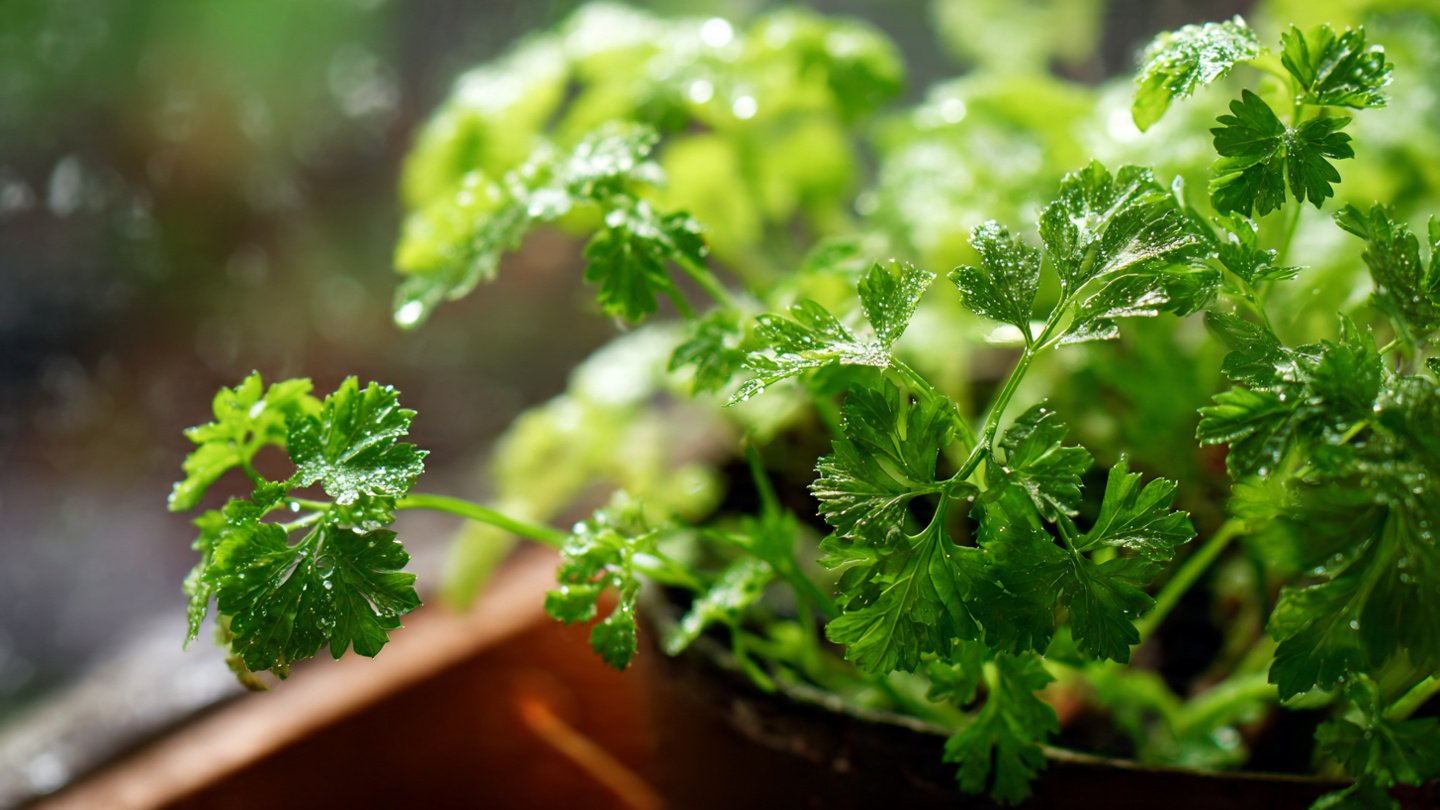
Parsley (Petroselinum crispum) is one of the most popular culinary herbs, renowned for its fresh flavor, vibrant green color, and versatility in a variety of dishes. Beyond its culinary appeal, parsley is rich in vitamins A, C, and K, and contains minerals like iron and potassium, making it a nutritious addition to any home garden. However, parsley is notoriously slow and sometimes difficult to germinate, which can discourage beginner gardeners. Fortunately, with a few simple steps and proper care, germinating parsley seeds at home can be straightforward and highly rewarding. This guide provides step-by-step instructions for effortless parsley seed germination, ensuring a steady supply of this aromatic herb.
Understanding Parsley Seeds
Parsley seeds are naturally slow to sprout because of their hard seed coat, which protects the embryo inside. On average, parsley seeds can take 14 to 28 days to germinate under ideal conditions. Knowing this helps gardeners practice patience while providing the right environment for the seeds to sprout.
There are two main types of parsley commonly grown at home: curly leaf and flat-leaf (Italian) parsley. Both varieties germinate similarly, but flat-leaf parsley tends to grow faster and is preferred for culinary use due to its stronger flavor.
Selecting Quality Seeds
The first step to successful parsley germination is choosing high-quality seeds. Look for fresh, untreated seeds from reputable suppliers to ensure high germination rates. Seeds that are old or improperly stored may have reduced viability, leading to poor germination.
Before planting, inspect the seeds visually. Healthy parsley seeds are small, brownish, and uniform in size. Avoid seeds that appear discolored, shriveled, or damaged, as these are less likely to germinate.
Pre-Soaking Seeds for Faster Germination
One effective method to improve germination is pre-soaking parsley seeds. Soaking softens the hard seed coat, allowing water to penetrate and activate the embryo.
To pre-soak, place the seeds in a small bowl of lukewarm water for 12–24 hours. Avoid soaking for longer periods, as excessive moisture can cause seeds to rot. After soaking, drain the seeds and prepare them for sowing. Pre-soaking can significantly reduce germination time and increase the number of seeds that successfully sprout.
Choosing the Right Container
Parsley can be grown in seed trays, small pots, or even shallow containers. The key is providing proper drainage to prevent waterlogging, which can lead to fungal infections or seed rot.
If using seed trays, ensure they have drainage holes at the bottom. For pots or containers, a depth of 3–4 inches is sufficient for the initial growth of parsley seedlings. Clean containers thoroughly before planting to eliminate any pathogens that may affect seed germination.
Preparing the Soil
Parsley prefers a light, well-draining, and nutrient-rich soil. A mix of potting soil with compost or organic matter works best for seed germination. Avoid heavy clay soils or garden dirt that may compact and inhibit root development.
Fill the container with the prepared soil, leaving about half an inch of space at the top. Lightly moisten the soil with water before sowing the seeds. Moist, but not waterlogged, soil provides an ideal environment for parsley seeds to sprout.
Sowing Seeds Properly
Parsley seeds should be sown at a shallow depth to encourage faster germination. Plant seeds about 1/4 inch (0.6 cm) deep, covering them lightly with soil or vermiculite. Avoid planting too deep, as this can slow germination or prevent seeds from emerging.
Space seeds at least 1 inch apart if sowing multiple seeds in a container. Overcrowding can lead to weak seedlings and poor air circulation, increasing the risk of fungal problems. Once sown, gently press the soil to ensure good seed-to-soil contact, which enhances water absorption and germination success.
Maintaining Optimal Moisture
Consistent moisture is crucial for parsley seed germination. The soil should be kept evenly moist but never soggy. Water gently using a spray bottle or a fine watering can to avoid displacing the seeds.
Covering the container with a clear plastic lid or plastic wrap can help retain humidity, creating a mini-greenhouse effect that accelerates germination. Remove the cover once seeds begin to sprout to prevent fungal growth and provide adequate airflow.
Providing Proper Temperature and Light
Parsley seeds germinate best in temperatures between 65°F and 75°F (18°C–24°C). Cooler temperatures can slow germination, while excessively hot conditions may stress the seeds.
Light is not strictly necessary for germination, but once seedlings emerge, they require bright, indirect sunlight for healthy growth. Placing containers near a south-facing window or using fluorescent or LED grow lights ensures that seedlings develop strong, green leaves without becoming leggy.
Patience During Germination
Parsley is a slow-growing herb, and germination can take 2–4 weeks. It is essential to remain patient and avoid disturbing the soil or overwatering during this period. Regularly monitor soil moisture and temperature, but resist the urge to check or move seeds excessively.
If some seeds fail to germinate within the expected time frame, do not be discouraged. Germination rates vary, and a few seeds may take slightly longer than others. Once seedlings emerge, thin them if necessary to provide space for healthy growth.
Thinning and Transplanting Seedlings
After parsley seedlings develop their first true leaves, thinning is necessary to ensure strong growth. Remove weaker or overcrowded seedlings, leaving the healthiest plants spaced 2–3 inches apart.
When seedlings reach 2–3 inches in height and have several true leaves, they can be transplanted to larger pots or directly into a garden bed. Handle seedlings gently by the roots or soil to avoid damaging delicate stems. Transplant into well-prepared soil with adequate organic matter, maintaining consistent moisture and sunlight.
Caring for Young Seedlings
Once transplanted, parsley seedlings require proper care to thrive. Continue watering consistently, ensuring the soil remains moist but not waterlogged. Fertilize every 3–4 weeks with a balanced, diluted liquid fertilizer or organic compost tea to promote healthy foliage development.
Protect young plants from pests such as aphids or slugs, which can damage tender seedlings. Companion planting, using natural pest deterrents like marigolds, or applying neem oil spray can reduce pest problems without chemicals.
Encouraging Continuous Growth
To encourage continuous growth and leaf production, regularly harvest parsley by cutting the outer stems near the base. Avoid removing more than one-third of the plant at a time, as excessive harvesting can stress the plant and reduce regrowth.
Regular trimming stimulates new growth and keeps parsley plants compact and bushy. Healthy, well-maintained parsley will provide fresh leaves throughout the growing season, making it an excellent addition to any kitchen garden.
Common Troubleshooting
Some challenges may arise during parsley seed germination:
- Slow Germination – Ensure seeds were pre-soaked and soil temperatures are within the optimal range.
- Damping-off Disease – Caused by overly wet conditions or poor air circulation. Use well-draining soil and provide gentle airflow around seedlings.
- Leggy Seedlings – Occurs due to insufficient light. Move seedlings to a brighter location or provide grow lights.
- Poor Seedling Growth – Fertilize gently with organic compost tea or diluted liquid fertilizer to boost nutrient availability.
Addressing these issues promptly ensures healthy, vigorous seedlings and a successful home-grown parsley harvest.
Conclusion
Germinating parsley seeds at home is a simple and rewarding process when approached with patience and proper care. By selecting high-quality seeds, pre-soaking them, preparing light and nutrient-rich soil, maintaining consistent moisture, and providing optimal temperature and light, gardeners can achieve effortless germination and robust seedlings.
Once seedlings emerge, proper thinning, transplanting, and care ensure healthy growth and continuous leaf production. Parsley is not only a flavorful addition to meals but also a nutrient-rich herb that enhances both the beauty and utility of your home garden. With these simple steps, even beginners can enjoy the satisfaction of growing fresh, aromatic parsley at home, straight from seed to plate.