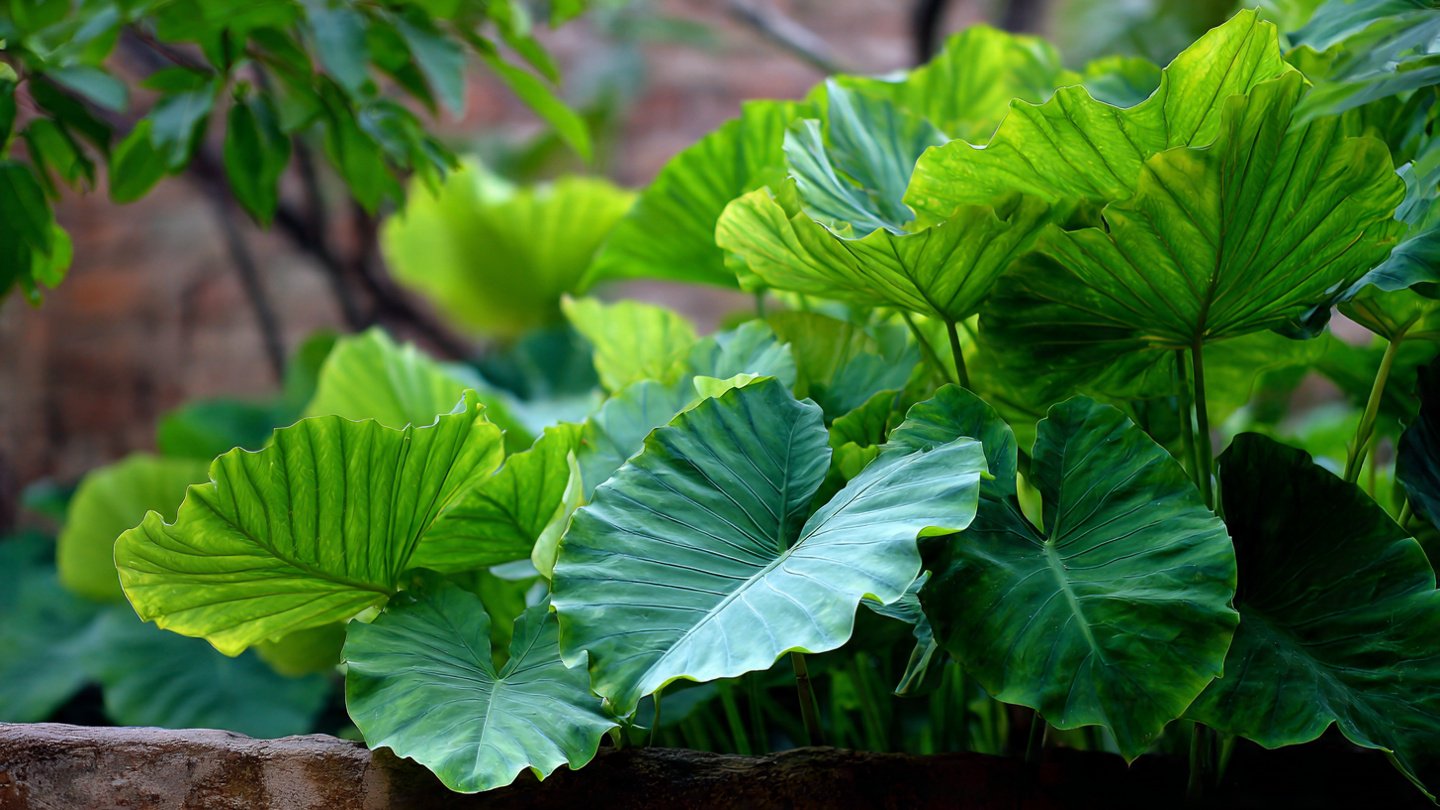
Colocasia, often known as elephant ear plants, is prized by gardeners for its large, lush, and dramatic foliage. These tropical plants are perfect for adding a bold, exotic touch to moist garden areas, pond edges, and shaded landscapes. With their heart-shaped or arrow-shaped leaves and impressive size, colocasias can transform a simple garden into a vibrant, tropical retreat. While they are relatively easy to grow, they do require specific conditions to thrive. This guide provides a comprehensive overview of how to successfully grow colocasia in moist garden areas and maintain healthy, beautiful foliage.
Understanding Colocasia Plants
Colocasia belongs to the Araceae family, which includes popular tropical plants like taro and philodendrons. They are perennial plants that grow from corms—a bulb-like structure—rather than seeds. Colocasia plants are renowned for their ornamental leaves, which can range from green to purple, bronze, or variegated shades, depending on the cultivar. Their leaves can reach impressive sizes, sometimes exceeding three feet in length, making them ideal focal points in garden design.
These plants are naturally adapted to tropical and subtropical climates and thrive in warm, humid environments. While colocasia can tolerate full sun, they often perform best in partial shade, especially in regions with intense afternoon sunlight, which can scorch their delicate leaves.
Choosing the Right Location
The first step to successfully growing colocasia in moist garden areas is selecting the right location. Colocasias prefer consistently moist soil and can even grow partially submerged in shallow water, making them ideal for pond margins, water gardens, or low-lying sections of the garden.
When selecting a site, consider the following:
- Moisture Availability: Colocasias require consistently moist soil to prevent leaf wilting. Areas prone to drying out quickly should be avoided unless irrigation is available.
- Sunlight Exposure: While colocasias tolerate full sun in cooler climates, partial shade is ideal in warmer regions to prevent leaf burn. Morning sunlight with afternoon shade is often perfect.
- Space Considerations: Colocasias can grow quite large. Allow ample space for air circulation and future growth, as crowded conditions can lead to fungal problems.
Soil Requirements
Healthy soil is critical for vigorous colocasia growth. These plants thrive in rich, well-draining soil that retains moisture. Although colocasias tolerate heavy, clay soils, adding organic matter such as compost or well-rotted manure enhances soil fertility and improves drainage.
Soil pH should ideally be slightly acidic to neutral, around 5.5 to 7.0. Conducting a soil test can help determine nutrient levels and pH balance, allowing for soil amendments as needed. Mulching around the base of the plants not only helps retain moisture but also suppresses weeds, contributing to overall plant health.
Planting Colocasia Corms
Colocasia plants grow from corms, which are planted directly into the soil. Follow these steps for successful planting:
- Select Healthy Corms: Choose firm, plump corms free from soft spots, mold, or rot. Healthy corms produce stronger foliage and more vigorous growth.
- Planting Depth: Plant corms 2–4 inches deep, depending on their size. Larger corms may require slightly deeper planting.
- Spacing: Space corms at least 2–3 feet apart to accommodate their large leaves and allow airflow between plants. Crowding can increase susceptibility to disease.
- Timing: Plant corms in spring after the danger of frost has passed. Warm soil temperatures encourage faster sprouting and early leaf development.
Watering Practices
Consistent watering is essential for colocasia plants. Since they are adapted to wet conditions, they do not tolerate prolonged drought. Watering frequency depends on climate and soil type, but the soil should remain moist at all times.
For garden areas prone to drying, consider installing drip irrigation or soaker hoses to maintain even moisture levels. Overhead watering is less ideal, as wet leaves can encourage fungal diseases, but it can be done if watering early in the day to allow foliage to dry.
Colocasias can also thrive in shallow water features, making them perfect for planting at pond edges or in boggy areas. Just ensure that the water does not fully submerge the growing point of the corm, which can cause rot.
Fertilization for Lush Foliage
Colocasia plants are heavy feeders, and regular fertilization promotes the growth of large, vibrant leaves. Use a balanced, slow-release fertilizer or one high in nitrogen to support foliage development.
- Frequency: Fertilize every 4–6 weeks during the growing season for optimal growth.
- Organic Options: Compost tea, fish emulsion, or well-rotted manure provides nutrients while improving soil structure and microbial health.
- Avoid Over-Fertilization: Excessive fertilizer can cause leaf burn or promote weak, leggy growth. Follow recommended dosage instructions.
Pest and Disease Management
Although colocasias are generally hardy, they can be affected by pests and diseases in moist garden areas. Common issues include:
- Aphids: These small insects feed on sap and can cause leaf curling. Spray with insecticidal soap or neem oil if infestations occur.
- Spider Mites: Often a problem in hot, dry conditions, spider mites cause speckled leaves. Regular misting can reduce their presence.
- Fungal Infections: Overly wet leaves or poor airflow can lead to leaf spots, blight, or root rot. Proper spacing, mulching, and avoiding overhead watering help prevent disease.
- Slugs and Snails: Moist soil attracts these pests, which chew holes in leaves. Use barriers, traps, or organic slug repellents as needed.
Winter Care in Cooler Climates
In regions with cold winters, colocasias are sensitive to frost and freezing temperatures. To protect plants, dig up corms before the first frost and store them in a cool, dry location over winter. Replant in spring once the danger of frost has passed.
Alternatively, colocasias can be grown in large containers, allowing them to be moved indoors during winter. Provide bright light and maintain moderate humidity for the best results during dormancy.
Encouraging Large Leaves and Healthy Growth
To achieve the iconic large, lush leaves that make colocasias so attractive, consider the following care tips:
- Adequate Sunlight: Ensure plants receive partial to full sunlight, depending on local climate conditions.
- Consistent Moisture: Keep soil evenly moist to prevent leaf wilting and promote continuous growth.
- Fertilization: Regular feeding with a nitrogen-rich fertilizer encourages leaf size and color.
- Pruning: Remove damaged or yellowing leaves to maintain plant appearance and prevent disease.
Propagation Techniques
Colocasias are easy to propagate from corms or offsets, making it simple to expand your garden. After a few years, mature plants often produce smaller corms around the main corm. These can be separated and replanted in new areas.
For best results, carefully dig up the plant during dormancy, separate offsets, and plant them in nutrient-rich, moist soil. This method ensures a continuous supply of new plants for your garden.
Landscaping Ideas with Colocasia
Colocasias are versatile in landscape design due to their dramatic foliage and adaptability to moist areas. Some landscaping ideas include:
- Pond Edges: Plant colocasias at the edges of ponds or water features to soften borders and add a tropical feel.
- Shaded Borders: Use colocasias as background plants in shaded garden beds, where their large leaves provide texture and color contrast.
- Containers: Large pots or planters allow colocasias to be grown on patios or terraces, providing mobility and seasonal interest.
- Mixed Plantings: Combine with other moisture-loving plants such as cannas, ferns, or hostas for lush, layered garden displays.
Conclusion
Colocasias are stunning plants that can transform moist garden areas into tropical paradises with their bold and beautiful foliage. By understanding their growth requirements, including suitable planting locations, rich and moist soil, consistent watering, and regular fertilization, gardeners can cultivate healthy and vibrant colocasias. Protecting them from pests, diseases, and frost ensures these plants continue to thrive year after year.
Whether planted along pond edges, in shady borders, or in containers, colocasias provide eye-catching foliage that enhances the aesthetic appeal of any garden. With proper care and attention, growing colocasia in moist garden areas can be both rewarding and visually spectacular. Their lush leaves, striking size, and low-maintenance requirements make them a favorite among gardeners seeking bold and exotic greenery.