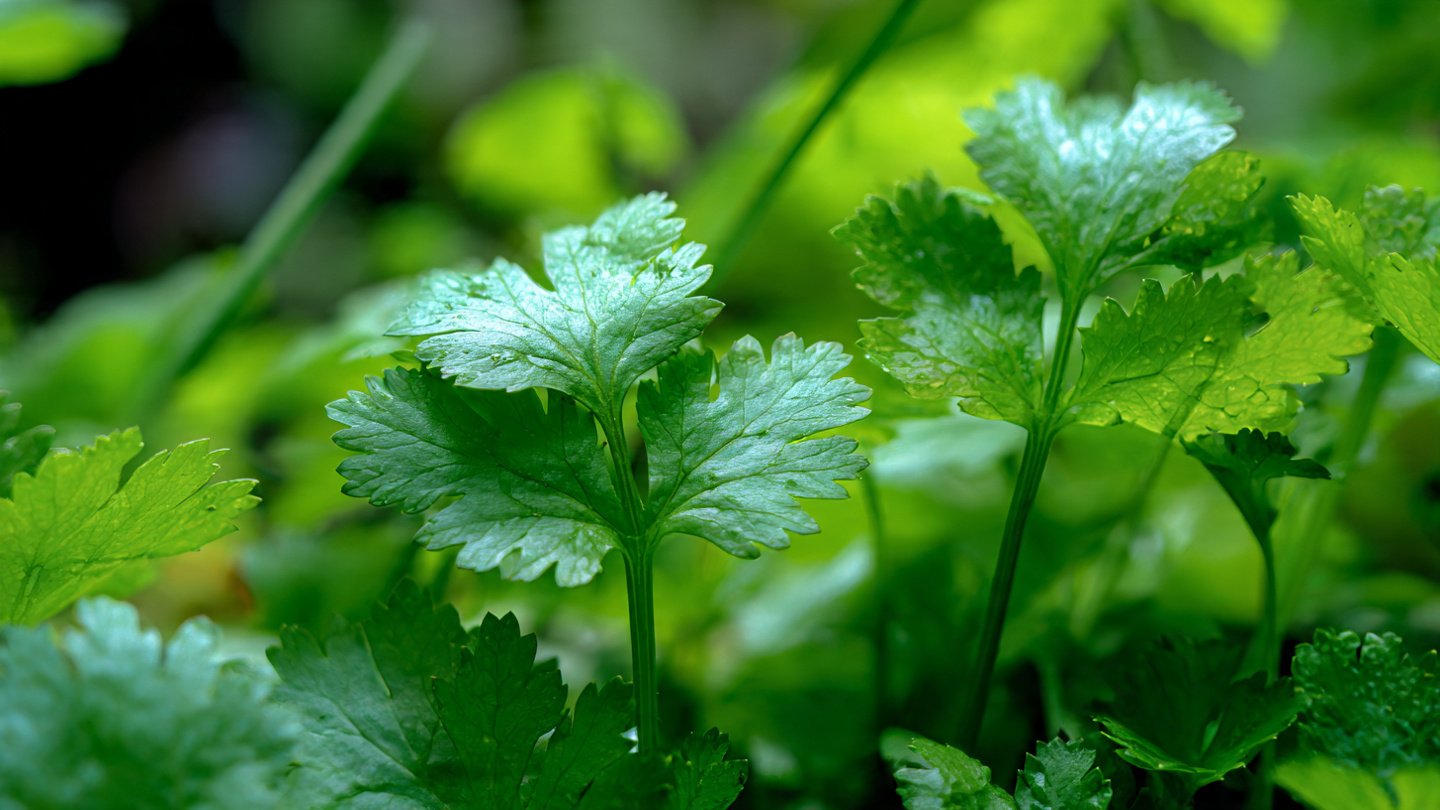
Coriander (Coriandrum sativum), also known as cilantro, is a culinary staple found in kitchens around the world. Its fresh, fragrant leaves are perfect for garnishing salads, adding flavor to curries, or brightening salsas and chutneys. Despite its widespread use, many gardeners struggle to grow lush coriander leaves that are vibrant and flavorful. The secret to success lies not in complicated techniques but in understanding the plant’s natural preferences and providing simple, consistent care. This guide reveals how to cultivate lush coriander leaves in your garden without unnecessary complexity.
Understanding Coriander
Coriander is an annual herb, meaning it completes its life cycle in one growing season. Its two main uses are the leaves (cilantro) and seeds (coriander). While the seeds are harvested from mature plants, the leaves are typically picked when the plant is still young and tender.
Coriander prefers cooler weather and tends to bolt, or flower, quickly in hot conditions. Bolting reduces leaf production and flavor, so creating an environment that delays this process is key to growing abundant leaves.
Choosing the Right Location
The first step to cultivating lush coriander is selecting the ideal location in your garden:
- Sunlight: Coriander thrives in full sun but benefits from partial shade in hot climates. About 4–6 hours of direct sunlight per day is sufficient. Morning sun with afternoon shade can help prevent early bolting in summer.
- Soil: Loose, well-draining soil rich in organic matter is ideal. Heavy clay or compacted soil can stunt growth, while sandy soil may require additional compost to retain moisture.
- Spacing: Provide at least 6–8 inches of space between plants. Proper spacing improves air circulation and reduces the risk of disease, while also allowing leaves to grow fully without competition.
By choosing the right location, you set the foundation for healthy, vigorous coriander growth.
Sowing Coriander Seeds
Coriander grows best from seeds rather than transplants. Sowing seeds directly in the garden ensures stronger, more resilient plants. Here’s how to do it efficiently:
- Timing: Plant coriander seeds in early spring or late summer. The plant prefers cooler temperatures (between 50–75°F or 10–24°C).
- Seed Preparation: Soak seeds in water for a few hours before planting to improve germination rates. Note that coriander seeds actually contain two seeds in one outer shell; gently breaking the shell can encourage faster sprouting.
- Planting Depth: Sow seeds about 1/4 to 1/2 inch deep. Cover lightly with soil and water gently.
- Spacing: Thin seedlings to about 6–8 inches apart once they reach 2–3 inches in height. This gives each plant enough space to develop lush foliage.
Germination typically occurs within 7–14 days under optimal conditions, revealing tiny green shoots ready for care.
Watering and Moisture
Coriander thrives in consistently moist soil, but overwatering can be detrimental. Balancing water is crucial for lush leaf production:
- Consistent Moisture: Water lightly but frequently to keep the soil evenly moist. Deep, infrequent watering can encourage root growth but may stress tender leaves.
- Avoid Waterlogging: Excess water can cause root rot or fungal issues. Ensure soil drains well and containers have adequate drainage holes.
- Mulching: Apply a thin layer of mulch around plants to retain soil moisture, regulate temperature, and suppress weeds.
Proper hydration encourages strong root systems and tender, flavorful leaves.
Fertilization for Leafy Growth
While coriander is not a heavy feeder, occasional fertilization supports lush foliage. Focus on balanced, nitrogen-rich nutrition:
- Organic Options: Compost or well-rotted manure incorporated into the soil before planting provides long-term nutrients.
- Liquid Fertilizers: Use diluted liquid fertilizers or seaweed extracts every 3–4 weeks for a growth boost.
- Avoid Excess Fertilization: Too much nitrogen can produce foliage at the expense of flavor or cause weak, floppy stems.
A moderate feeding schedule encourages vigorous growth without overwhelming the plant.
Controlling Bolting
Coriander is notorious for bolting quickly, particularly in warm weather. Bolting occurs when the plant shifts from leaf production to flowering, producing seeds instead of leaves. You can delay this process with a few simple techniques:
- Cooler Temperatures: Plant coriander during cooler months or provide partial shade during hot periods.
- Regular Harvesting: Harvest leaves frequently to prevent the plant from maturing too quickly. Snipping the top leaves encourages bushier growth and delays flowering.
- Succession Planting: Sow seeds every 2–3 weeks to ensure a continuous supply of fresh leaves, even if older plants bolt.
These methods allow gardeners to enjoy coriander leaves over an extended period without complicated interventions.
Harvesting Coriander Leaves
Harvesting correctly is critical for maintaining lush foliage.
- Timing: Begin harvesting when plants reach 6 inches in height. Early harvest encourages more leaf production.
- Method: Use sharp scissors to snip leaves at the base of the stems. Avoid pulling plants, as this can damage roots and reduce future growth.
- Frequency: Harvesting regularly prevents overcrowding, encourages new growth, and prolongs the harvesting period.
Coriander leaves can be stored for a few days in the refrigerator or frozen for longer-term use, preserving their flavor.
Companion Planting
Coriander can thrive alongside certain companion plants, which can enhance growth and reduce pest problems:
- Beneficial Neighbors: Spinach, lettuce, and carrots grow well alongside coriander, benefiting from similar soil and watering conditions.
- Natural Pest Control: Coriander flowers attract beneficial insects like ladybugs and hoverflies, which can reduce aphid populations in your garden.
- Avoid Crowding: Ensure taller plants don’t shade coriander excessively, as this can stunt leaf production.
Companion planting allows coriander to integrate seamlessly into a diverse, low-maintenance garden ecosystem.
Container Gardening
For gardeners with limited space, coriander grows well in containers. Container gardening offers flexibility and control over soil and light conditions:
- Pot Selection: Choose a container at least 6–8 inches deep with good drainage.
- Soil: Use a lightweight, well-draining potting mix enriched with compost.
- Sunlight: Place containers in a location with 4–6 hours of sunlight daily. Morning sun with afternoon shade is ideal.
- Watering: Containers dry out faster than garden beds, so monitor soil moisture closely.
Container coriander is perfect for balconies, patios, or kitchen windows, making fresh leaves accessible year-round.
Pest and Disease Management
Coriander is generally hardy, but occasional issues can arise. Maintaining healthy plants prevents most problems:
- Aphids and Whiteflies: These pests can be controlled with insecticidal soap or gentle water sprays.
- Fungal Diseases: Overwatering and poor air circulation can lead to mildew or root rot. Proper spacing, mulch, and watering practices mitigate these risks.
- Slugs and Snails: Hand-pick or use natural deterrents if these pests appear.
By keeping conditions favorable, gardeners can minimize complications without resorting to complex chemical treatments.
Extending the Growing Season
For a longer coriander harvest, consider these simple strategies:
- Partial Shade in Summer: Protect plants from scorching heat to prevent early bolting.
- Indoor Gardening: Start seeds indoors in pots during late fall or winter to extend production.
- Succession Planting: Sow seeds every 2–3 weeks for a continuous supply of fresh leaves.
These methods ensure your garden produces flavorful coriander leaves throughout multiple seasons.
Simple Care for Maximum Results
The key to cultivating lush coriander leaves lies in simplicity and consistency. Focus on:
- Choosing the right location with adequate sunlight and drainage.
- Sowing seeds properly and thinning seedlings.
- Maintaining consistent moisture without overwatering.
- Fertilizing moderately for leafy growth.
- Harvesting regularly and controlling bolting naturally.
By adhering to these basic practices, even beginner gardeners can achieve abundant, flavorful coriander leaves without complicated methods or equipment.
Conclusion
Coriander is one of the most rewarding herbs to grow in a home garden. Its aromatic leaves enhance a variety of dishes, while the plant itself is visually appealing and easy to manage. By understanding its natural preferences and providing simple, consistent care, you can cultivate lush coriander leaves throughout the growing season.
Success lies in simplicity: sow seeds in well-drained soil, provide ample sunlight, water consistently, and harvest regularly. Avoid overcomplicating care with unnecessary fertilizers or treatments, and the plant will reward you with a bounty of fresh, vibrant leaves.
With these secrets in hand, gardeners can enjoy a thriving coriander patch that adds flavor, fragrance, and greenery to their garden—without stress or complicated methods. Whether grown in garden beds or containers, coriander can flourish effortlessly, proving that sometimes the simplest gardening techniques yield the most satisfying results.