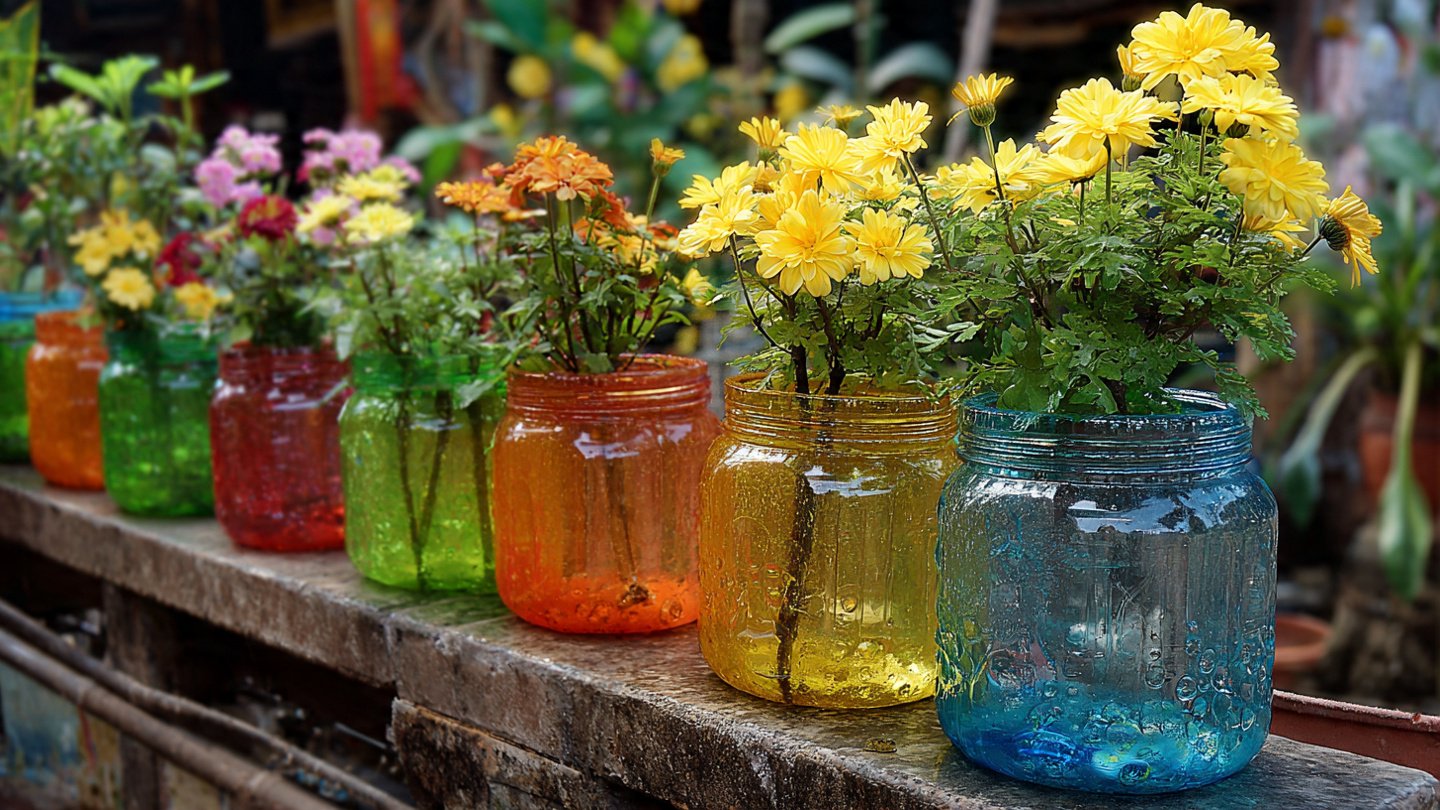
Recycle Plastic Bottles into Beautiful Flower Pots for Your Garden
Recycling plastic bottles into flower pots is a simple, creative, and environmentally friendly way to add beauty to your garden while reducing waste. Plastic pollution is a global challenge, with millions of bottles discarded each day, ending up in landfills, rivers, and oceans. Repurposing these bottles not only helps reduce environmental impact but also provides a cost-effective and customizable solution for gardeners looking to grow flowers, herbs, or small vegetables. By transforming ordinary plastic bottles into functional flower pots, gardeners can combine sustainability, creativity, and practicality in a single project that enhances their outdoor or indoor spaces.
The first step in creating flower pots from plastic bottles is selecting the right type of bottle. Most plastic beverage bottles, such as those used for water, soda, or juice, are suitable for repurposing. Choose bottles that are sturdy enough to hold soil and water without collapsing. Larger bottles, such as two-liter soda bottles, are ideal for bigger plants, while smaller bottles work well for seedlings, herbs, or small decorative flowers. Consider the type of plants you want to grow and select bottle sizes accordingly to ensure adequate space for roots and soil.
Once you have chosen suitable bottles, the next step is cleaning them thoroughly. Remove labels, caps, and any residue inside the bottle. Wash the bottles with warm, soapy water to eliminate dirt or chemicals that could harm plants. Rinsing them well ensures that no soap remains inside the container. Proper cleaning also helps the bottles look more appealing once transformed into decorative pots. A clean, clear bottle provides a neutral base that can be decorated or painted according to personal taste.
Creating proper drainage is crucial for the health of plants grown in recycled bottles. Puncturing small holes in the bottom of the bottle allows excess water to escape, preventing waterlogging and root rot. Use a sharp tool, such as a nail, scissors, or a heated pin, to carefully create holes. The number and size of drainage holes depend on the bottle size and the type of plant. Larger pots or plants that require more water benefit from multiple drainage holes, while smaller pots may need only one or two. Ensuring effective drainage is key to maintaining healthy roots and promoting vigorous plant growth.
After preparing the bottle and creating drainage, you can decide how to cut or shape it to suit your design. Bottles can be used upright, with the top cut off to create an open pot, or cut horizontally to create shallow planters suitable for small flowers or succulents. Some creative designs involve cutting windows or decorative patterns into the sides of the bottle, providing a unique visual appeal. The flexibility of plastic bottles allows for endless design possibilities, enabling gardeners to create functional and aesthetically pleasing containers tailored to their garden theme.
Decorating the bottles is an optional but enjoyable step that adds charm to your garden. You can use waterproof paints, markers, or stickers to create colorful, personalized designs. Wrapping bottles with twine, fabric, or burlap adds a rustic look, while painting patterns or designs enhances a playful or artistic atmosphere. Clear bottles can also be left unpainted, allowing the soil and plant roots to be visible, creating a modern, transparent display that adds an interesting visual element to your garden. Decorating bottles transforms ordinary waste into attractive, functional art that contributes to the overall garden aesthetic.
Filling the bottles with the right soil mixture is another essential step. Use a well-draining potting mix appropriate for the type of plant you intend to grow. For flowers and herbs, a standard potting mix enriched with compost or organic matter works well. Succulents and cacti require a sandy, gritty mix to prevent excess moisture retention. Layering the soil carefully ensures that plants receive adequate nutrients and proper root support. For vertical or hanging arrangements, compacting the soil slightly prevents spillage while maintaining aeration for healthy root growth.
Plant selection is an important consideration for bottle gardens. Flowers, herbs, small vegetables, and succulents are all excellent choices for recycled plastic bottle pots. Herbs such as basil, mint, and parsley thrive in small containers and provide fresh ingredients for cooking. Bright, flowering plants like marigolds, petunias, or pansies add vibrant colors and attract pollinators. Succulents and cacti are low-maintenance options that thrive in shallow or narrow containers. Choosing plants suited to the bottle size and sunlight conditions ensures a healthy, flourishing garden.
Hanging or vertical arrangements are a creative way to use recycled bottles in limited spaces. By drilling holes near the top of the bottle and threading rope, wire, or twine through them, bottles can be suspended from ceilings, railings, or garden hooks. Vertical bottle gardens are ideal for balconies, patios, or small yards where horizontal space is limited. Arranging bottles in rows or tiers creates a visually appealing display and maximizes planting space. This method also adds a dynamic element to the garden, allowing plants to cascade or trail from their containers.
For horizontal or wall-mounted designs, bottles can be attached to wooden pallets, fences, or walls using hooks, screws, or ties. Cut openings on the side of the bottles allow plants to grow outward, creating a living wall effect. Vertical wall gardens not only save space but also provide insulation, shade, and a unique decorative feature. Wall-mounted bottle gardens are particularly useful for urban settings where outdoor gardening space is scarce but sunlight is abundant. This approach combines functionality and aesthetic appeal in a compact, eco-friendly solution.
Watering and maintenance are essential to ensure the success of a bottle garden. Smaller containers tend to dry out more quickly than traditional garden beds, so monitoring soil moisture regularly is crucial. Water gently to prevent soil from spilling out of the drainage holes, and consider using a small watering can or a spray bottle for precise application. Fertilizing occasionally with a diluted, water-soluble fertilizer provides nutrients that may be depleted in the limited soil volume. Routine maintenance, including pruning and deadheading, encourages continuous growth and keeps the garden looking vibrant.
Recycled bottle gardens also offer educational and environmental benefits. They demonstrate the principles of sustainability, resourcefulness, and environmental stewardship, showing how household waste can be transformed into useful, beautiful items. For children, participating in a bottle garden project teaches responsibility, plant care, and an appreciation for nature. The process encourages creative problem-solving and experimentation with plant arrangements, soil mixtures, and decorative techniques. Bottle gardens are an engaging way to combine learning, creativity, and environmental consciousness.
Pest control in bottle gardens is manageable with natural methods. Small containers may attract pests such as aphids, mites, or fungus gnats. Inspect plants regularly and remove any affected leaves. Natural remedies, such as neem oil, insecticidal soap, or a diluted solution of vinegar and water, can control pests without harmful chemicals. Maintaining clean bottles and replacing soil periodically also reduces the risk of pest infestations, ensuring healthy growth and minimizing potential damage.
One of the major advantages of using plastic bottles as flower pots is accessibility. Bottles are readily available in most households, and repurposing them reduces the need to purchase expensive gardening containers. This approach is cost-effective, environmentally friendly, and suitable for gardeners at any experience level. Plastic bottles are lightweight, easy to manipulate, and can be adapted for a wide range of planting needs, from small indoor herbs to decorative outdoor flowers. This versatility makes bottle gardens a practical option for sustainable gardening.
Another benefit is the flexibility of placement. Bottle gardens can be arranged on windowsills, balconies, patios, or even indoors, wherever sunlight is available. Portable bottle pots can be moved easily to optimize light exposure or protect plants from harsh weather conditions. This mobility allows gardeners to experiment with different plant arrangements, grow seasonal varieties, and adjust positions based on sunlight patterns. Flexibility enhances the practicality of bottle gardens and ensures plants receive optimal conditions for growth.
In addition, recycling bottles into flower pots raises awareness about the environmental impact of plastic waste. Transforming discarded bottles into useful items reduces litter, decreases the burden on landfills, and encourages sustainable living practices. Bottle gardens are a tangible way to practice recycling while improving personal spaces. Sharing bottle garden projects with friends, family, or community groups can inspire others to explore creative recycling methods and contribute to broader environmental initiatives.
In conclusion, recycling plastic bottles into flower pots is an effective, eco-friendly, and aesthetically pleasing way to enhance your garden. By selecting appropriate bottles, cleaning and preparing them, creating drainage, filling them with suitable soil, and choosing the right plants, you can cultivate vibrant flowers, herbs, or vegetables in repurposed containers. Decorating bottles, arranging them vertically or on walls, and maintaining proper watering and pest control ensures that your recycled bottle garden thrives year-round.
This approach offers numerous benefits, including reducing plastic waste, saving money, providing educational opportunities, and allowing for flexible gardening in limited spaces. Bottle gardens combine creativity, sustainability, and practicality, making them ideal for both experienced gardeners and beginners. By transforming ordinary plastic bottles into functional and beautiful flower pots, you not only enhance your home or garden but also contribute to a greener, more resource-conscious lifestyle.
With careful planning, consistent care, and a bit of imagination, plastic bottles can be transformed from waste into vibrant, thriving gardens. This simple yet impactful project demonstrates how everyday items can be repurposed for sustainability, beauty, and practical gardening solutions. Recycled bottle flower pots are a testament to creativity and environmental stewardship, proving that small actions can lead to meaningful change while bringing life and color into your home.