Gardening enthusiasts often focus on soil quality, irrigation, and fertilization to maximize vegetable growth. However, one crucial factor frequently overlooked is proper pruning. Many home gardeners underestimate the impact that pruning—or neglecting it—can have on vegetable growth, fruit size, and overall plant health. Understanding this overlooked step and incorporating it into your gardening routine can dramatically improve yields and produce healthier, more vigorous plants. This guide explores the importance of pruning, the step many gardeners miss, and practical strategies to optimize your vegetable garden.
Understanding the Role of Pruning in Vegetable Growth
Pruning is the selective removal of certain parts of a plant, including leaves, stems, and flowers, to improve its structure, growth, and productivity. While pruning is commonly associated with fruit trees or ornamental plants, it is equally essential for many vegetables. Pruning helps redirect energy from non-essential or unproductive growth into fruit and leaf development, allowing plants to grow stronger and produce larger vegetables.
When done correctly, pruning enhances light penetration and airflow within the plant canopy, reducing the risk of disease and promoting photosynthesis. It also prevents overcrowding, which can stress plants and hinder nutrient uptake. Neglecting proper pruning may lead to smaller fruits, reduced yields, and increased susceptibility to pests and disease.
The Overlooked Step: Pinching or Thinning Growth Tips
While gardeners often prune visibly dead or diseased foliage, the step that is frequently overlooked is pinching or thinning the growth tips. This involves removing the small, soft shoots at the tips of plants to encourage lateral growth and bushier, more productive plants. Many gardeners fail to do this because the technique seems minor or unnecessary. Yet, research and experience show that neglecting this step directly affects the size and quality of vegetables.
Pinching encourages the plant to redirect energy from vertical growth to lateral branches, which can support more flowers and fruit. Without this, plants often grow tall and leggy, producing fewer fruits that are smaller in size. For vegetables like tomatoes, peppers, eggplants, cucumbers, and even leafy greens like kale, this minor adjustment can significantly improve productivity.
Pruning Tomatoes: Maximizing Fruit Size and Yield
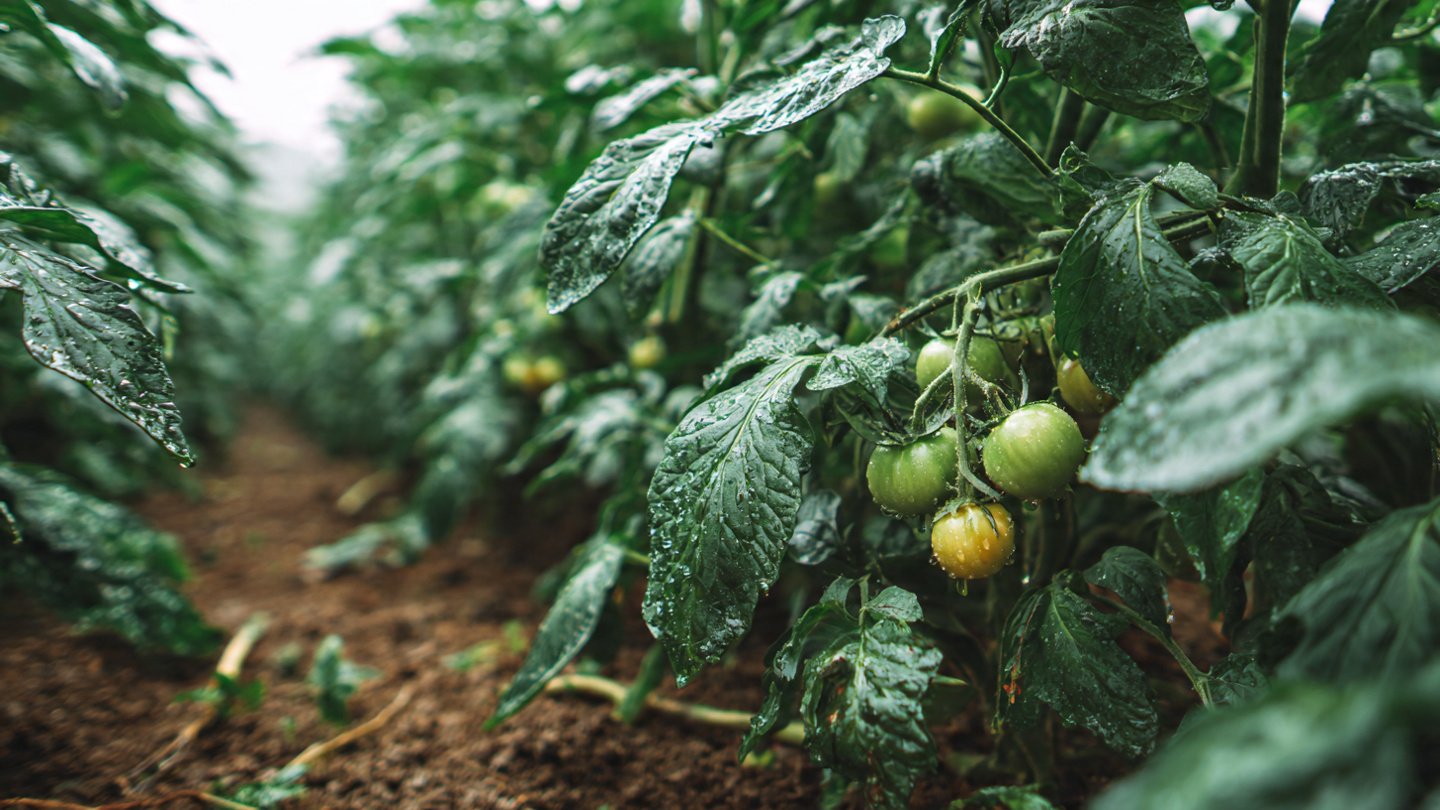
Tomatoes are among the most responsive vegetables to pruning. Many gardeners focus solely on staking or trellising tomatoes but overlook the importance of pinching off suckers—the small shoots that grow in the axils between the main stem and branches.
Removing these suckers helps the plant focus on producing larger, healthier fruits rather than expending energy on excess foliage. Indeterminate tomato varieties, which grow continuously, benefit the most from this type of pruning. In addition, trimming lower leaves improves air circulation, reducing fungal disease risk while allowing sunlight to reach fruit clusters, promoting even ripening.
Neglecting to prune indeterminate tomatoes often results in numerous small fruits, delayed maturation, and increased vulnerability to disease. Conversely, regular attention to sucker removal can lead to bigger fruits, earlier harvests, and more manageable plants.
Pruning Peppers and Eggplants
Peppers and eggplants also respond well to targeted pruning. For peppers, removing early flowers at the base of the plant encourages stronger root and stem development. Pinching the growing tips of pepper plants fosters lateral branching, creating more sites for flower and fruit production.
Eggplants, known for their heavy fruit, benefit from pruning lower leaves and removing small, underdeveloped fruits. This step prevents the plant from spreading resources thinly, allowing the remaining fruits to reach maximum size. Like tomatoes, peppers and eggplants grow more vigorously when their energy is directed toward productive branches rather than excessive foliage.
Cucumbers and Squash: Supporting Healthy Vine Growth
Vining vegetables such as cucumbers and squash also require pruning, though the method differs slightly. Removing excess lateral shoots along the main vine prevents overcrowding and improves airflow, reducing the risk of powdery mildew and other fungal diseases.
For cucumbers, pruning weak or overly crowded shoots ensures that the plant directs energy toward developing larger, tastier fruits. In squash, removing lower leaves that touch the ground prevents disease spread while improving sunlight exposure to fruit. These pruning techniques, although subtle, can have a substantial impact on fruit size and overall plant health.
Leafy Greens: Encouraging Continuous Growth
Even leafy greens, including kale, chard, and pak choi, benefit from pruning practices. While gardeners often harvest outer leaves for salads, they may neglect to remove yellowing or crowded inner leaves. This overlooked step prevents light from reaching lower leaves and reduces airflow, slowing growth.
By regularly thinning leaves and trimming older foliage, gardeners encourage continuous growth of new leaves, maintain plant vigor, and prevent disease. For crops like lettuce, strategic pruning—often referred to as “cut-and-come-again”—ensures a prolonged harvest period and healthier, more robust plants.
Timing and Techniques for Effective Pruning
Effective pruning depends on timing and technique. Early intervention during the plant’s growth cycle is critical. Pruning too late may stress the plant, while early, consistent pruning promotes vigorous development.
Use clean, sharp tools to make precise cuts, reducing the risk of infection. For pinching growth tips, simply use your fingers to remove small shoots at junctions of stems. For larger branches or leaves, use garden scissors or pruners. Always remove only what is necessary; over-pruning can harm the plant by reducing its photosynthetic capacity and slowing growth.
Observe the plant regularly to identify areas of overcrowding, weak growth, or disease. Pruning should be done gradually and consistently rather than in one heavy session. This approach maintains steady growth and minimizes stress, ensuring optimal fruit or leaf development.
Benefits Beyond Size and Yield
Pruning offers several additional advantages beyond producing larger fruits or leaves. Plants with proper pruning are less prone to pest infestations because improved airflow makes it harder for insects to hide. Healthier plants are also more resistant to fungal and bacterial diseases, which are common in crowded, humid conditions.
In addition, pruning simplifies garden management. Bushier, well-structured plants are easier to stake, harvest, and inspect. This reduces labor over time and creates a more organized, productive garden. Pruning, therefore, is not just a minor maintenance task but a transformative practice that enhances overall garden success.
Common Mistakes to Avoid
Gardeners often make mistakes when pruning vegetables. The most common include:
- Neglecting pinching growth tips – This is the step most often overlooked but is critical for maximizing fruit size and yield.
- Over-pruning – Removing too many leaves or shoots can weaken the plant and reduce photosynthesis.
- Using dull tools – Cuts made with dull scissors or pruners tear plant tissue, making the plant more susceptible to disease.
- Pruning at the wrong time – Pruning during extreme heat or frost can stress plants and damage growth.
Awareness of these mistakes and careful attention to pruning technique ensures that plants remain productive and healthy.
Conclusion
Pruning is an often-overlooked step that significantly impacts vegetable growth, fruit size, and overall plant health. While many gardeners focus on soil, water, and fertilizer, ignoring this vital practice can result in smaller vegetables, lower yields, and increased susceptibility to pests and disease.
Pinching growth tips, thinning shoots, and selectively removing leaves or branches redirect the plant’s energy toward productive growth. This is especially important for tomatoes, peppers, eggplants, cucumbers, squash, and leafy greens, which all respond positively to strategic pruning.
Consistent pruning improves airflow, light penetration, and nutrient allocation, leading to larger, healthier vegetables. It also facilitates garden management, reduces disease risk, and encourages continuous growth. By incorporating this overlooked step into your gardening routine, you can optimize plant health, maximize yield, and enjoy larger, more flavorful vegetables throughout the season.
Ultimately, pruning is not just a cosmetic task—it is an essential gardening practice. Understanding and applying the correct pruning techniques ensures that your vegetable garden thrives, producing robust plants that yield high-quality vegetables for every meal. With careful observation, timely intervention, and consistent attention, gardeners can unlock the full potential of their vegetable crops and experience the satisfaction of abundant, vibrant harvests year after year.