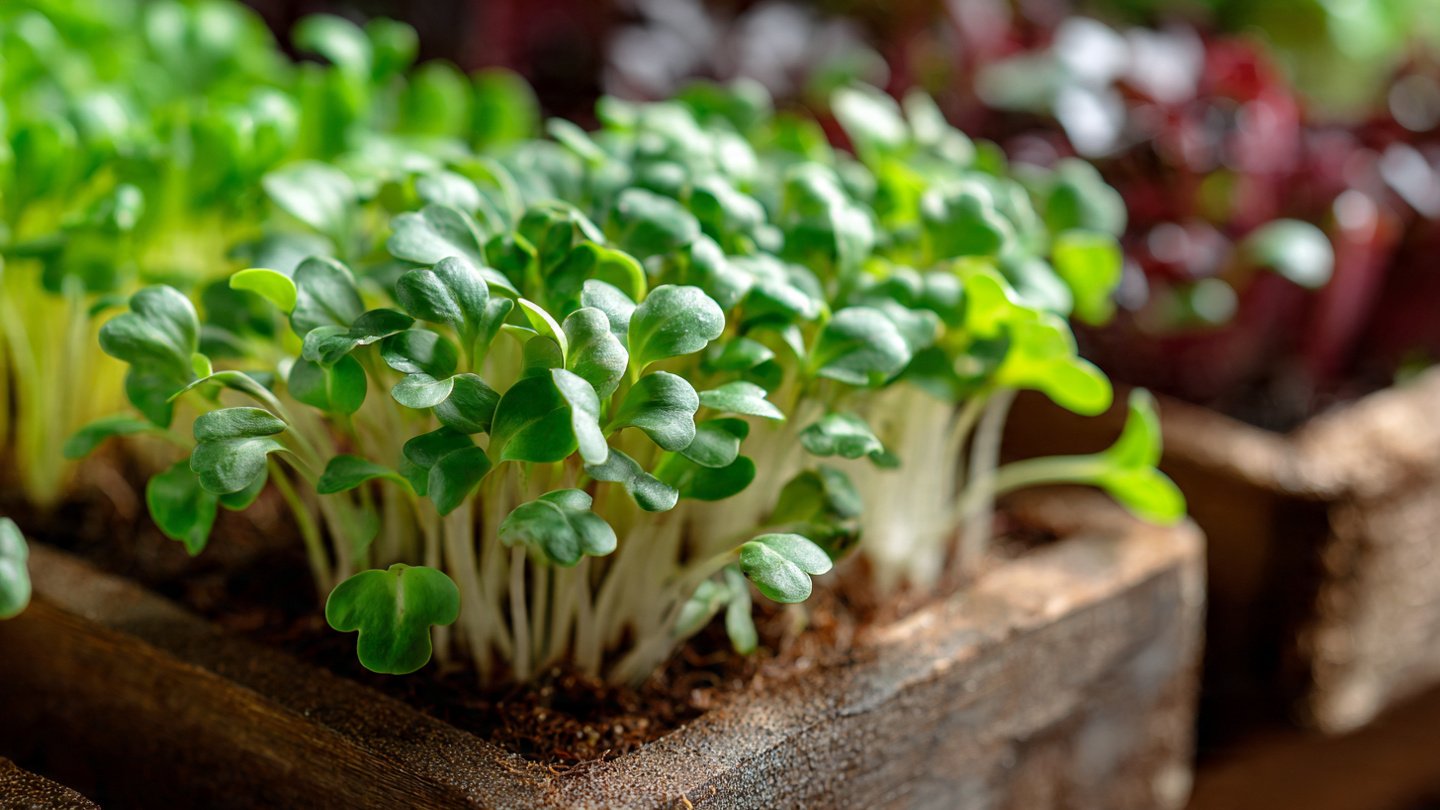
Microgreens have become a favorite among home gardeners, health enthusiasts, and even busy apartment dwellers who want fresh greens without the hassle of traditional gardening. These tiny plants are harvested just days after germination, yet they pack intense flavor, vibrant color, and impressive nutrition. What makes them even more appealing is that you do not need soil to grow them. With coconut growing medium, you can produce clean, fast, and reliable microgreens almost anywhere.
Coconut growing medium, often called coco coir, is made from the fibrous husk of coconuts. It is lightweight, renewable, and excellent at holding moisture while still allowing air to reach developing roots. This balance makes it ideal for microgreens, which require consistent moisture but dislike waterlogged conditions. Using coconut medium also reduces mess, pests, and soil related diseases, making the entire process simpler and more enjoyable.
To begin growing microgreens using coconut, start by choosing the right container. Shallow trays work best because microgreens have short root systems. You can use seed trays, recycled food containers, or any shallow dish with drainage holes. If your container does not have holes, be careful with watering so excess water does not pool at the bottom. Clean containers are important to prevent mold and fungal problems.
Next prepare the coconut medium. If you are using compressed coconut bricks, soak them in water until they expand and loosen into a fluffy texture. Once expanded, gently squeeze out excess water so the medium is moist but not dripping. Spread an even layer about two to three centimeters thick into your container. Level the surface lightly without pressing too hard, as roots need air spaces to grow.
Now comes the fun part, sowing the seeds. Choose seeds that are well suited for microgreens such as radish, broccoli, mustard, peas, sunflower, basil, or coriander. Sprinkle the seeds evenly across the surface of the coconut medium. For small seeds, aim for even coverage without overlapping too heavily. Larger seeds can be placed closer together but still in a single layer. Crowding too much can lead to poor airflow and mold.
After sowing, gently mist the seeds with clean water. Some growers like to cover the seeds lightly with a thin layer of coconut medium, while others leave them uncovered. Both methods can work, but covering can help retain moisture and encourage even germination. Once watered, cover the tray with another tray, lid, or dark cloth for the first few days. This creates darkness and humidity, which helps seeds germinate more uniformly.
During the germination stage, check the tray once or twice a day. The coconut medium should stay moist but never soggy. If it begins to dry, mist lightly. Within two to four days, you will see sprouts pushing upward. At this point, remove the cover and place the tray in a bright location. Natural sunlight near a window works well, but indirect light is best to avoid overheating. Artificial grow lights are also excellent and provide consistent results.
Light is critical for strong, healthy microgreens. Without enough light, they become leggy and pale. With proper light, they develop sturdy stems and rich green color. Aim for at least twelve to sixteen hours of light per day. Rotate the tray occasionally if using window light so growth remains even.
Watering microgreens grown in coconut medium is simple. Because coco holds moisture well, you usually need less water than with soil. Bottom watering is highly recommended. Place the tray in a shallow dish of water and allow the coconut medium to absorb moisture from below. After a few minutes, remove the tray and let excess water drain. This method keeps stems dry and reduces the risk of mold.
One major advantage of coconut medium is cleanliness. Harvesting microgreens grown this way is easier because roots are less muddy. When the plants reach the desired height, usually seven to fourteen days depending on the variety, they are ready to harvest. Use clean scissors to cut the stems just above the coconut surface. Harvest only what you need or cut the entire tray at once for convenience.
After harvesting, you may wonder if the coconut medium can be reused. For microgreens, it is generally best to start fresh each time. While coco can technically be reused, old roots and potential pathogens can affect future growth. However, used coconut medium can be composted or added to garden beds, making it an environmentally friendly choice.
Growing microgreens with coconut medium is also highly adaptable. You can grow year round, regardless of weather, making it perfect for small apartments or urban homes. The process is fast, often rewarding you with fresh greens in under two weeks. This speed makes microgreens an excellent project for beginners, children, or anyone who wants quick results.
Another benefit is nutritional value. Microgreens often contain higher concentrations of vitamins and antioxidants than their mature counterparts. Adding them to salads, sandwiches, soups, or smoothies boosts both flavor and health. Growing them yourself ensures freshness and avoids chemicals often used in commercial production.
To achieve consistent success, cleanliness and airflow are important. Always use clean tools and wash your hands before handling seeds or trays. Provide gentle airflow in the room if possible, such as from a fan on low setting. This strengthens stems and helps prevent mold, especially in humid environments.
Experimentation is part of the joy of growing microgreens. Try different seed varieties, adjust sowing density, and observe how each plant responds. Coconut medium is forgiving, making it ideal for learning. Over time, you will develop a rhythm that fits your space and schedule.
In conclusion, growing microgreens without soil using coconut medium proves that gardening does not need to be complicated. With simple supplies, minimal space, and a little attention, anyone can grow fresh, nutritious greens at home. Coconut growing medium offers a clean, sustainable, and beginner friendly way to enjoy the rewards of gardening, proving that no soil truly is no problem.
By choosing coconut as a growing medium, you also support sustainable practices because it uses a byproduct that would otherwise go to waste. This makes microgreen growing not only easy but environmentally responsible. Many growers appreciate how coconut medium remains structurally stable, does not compact easily, and maintains consistent moisture across the tray. These qualities reduce daily maintenance and increase success rates. Over time, growing microgreens can become a calming routine, offering a moment of connection with food and nature even in busy lifestyles. Watching seeds transform into edible greens in just days builds confidence and curiosity. Once comfortable with the process, growers often scale up to multiple trays, experimenting with flavors and blends. Whether your goal is saving money, improving nutrition, or simply enjoying a rewarding hobby, coconut based microgreen growing delivers dependable results with very little effort or space required. It also encourages mindful eating, appreciation for freshness, and a deeper understanding of how plants grow. This simple method empowers people to take control of small parts of their food system at home. With practice, confidence grows, mistakes decrease, and harvests become more consistent, abundant, satisfying, enjoyable, and deeply personal experiences. for beginners and experienced growers alike.