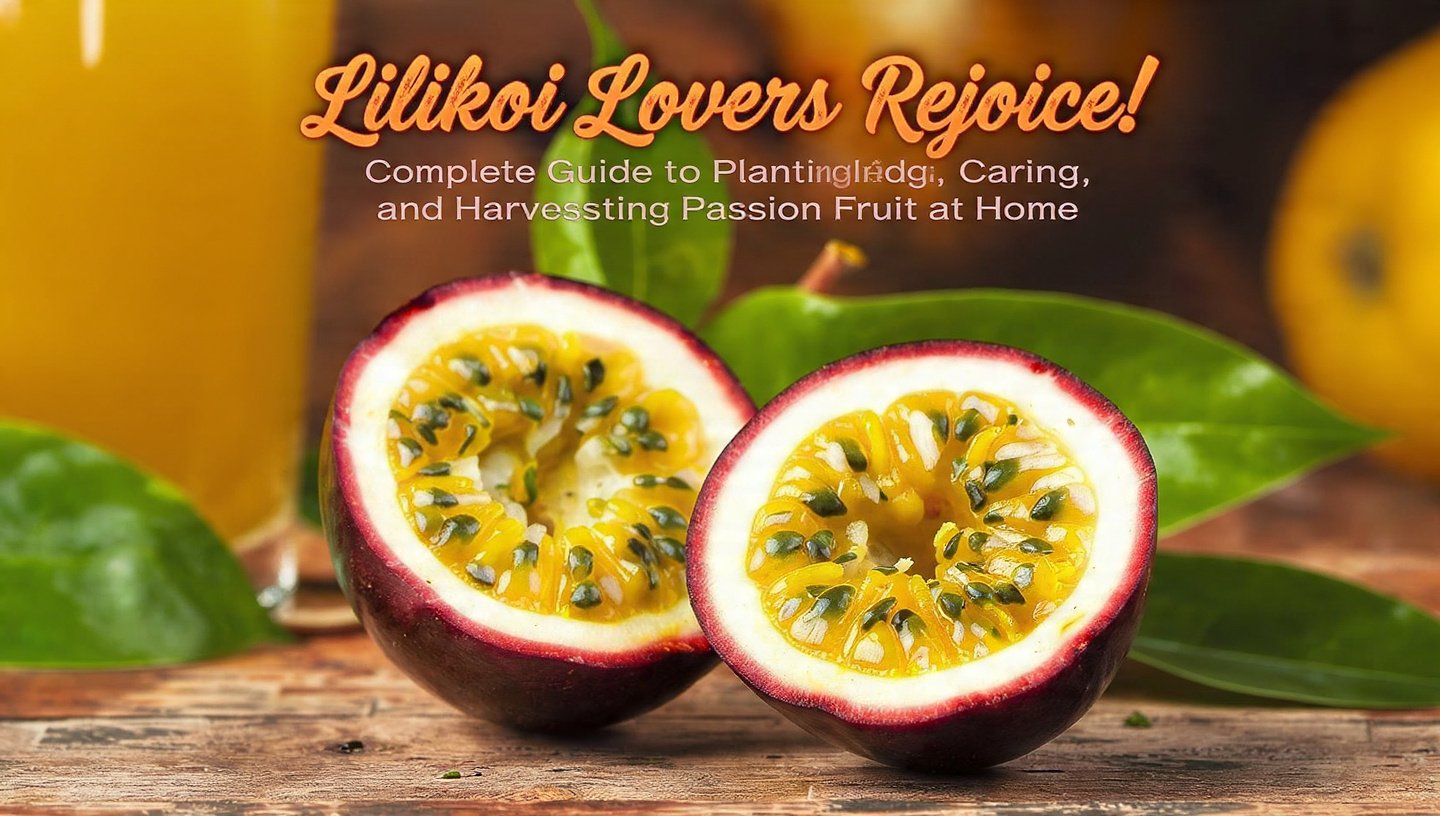
Passion fruit, also known as lilikoi in Hawaii, is a tropical gem cherished for its fragrant aroma, tangy-sweet flavor, and nutritional benefits. Beyond being a delicious snack or juice ingredient, passion fruit adds ornamental beauty to gardens with its lush vines, exotic flowers, and vibrant fruits. Growing passion fruit at home is a rewarding endeavor, offering gardeners a chance to enjoy fresh fruit straight from their yard. With proper planning, planting, care, and harvesting techniques, you can cultivate thriving passion fruit vines even in small spaces.
Choosing the Right Variety
Passion fruit comes in several varieties, each suited for different climates and purposes. The two most common types are purple passion fruit (Passiflora edulis) and yellow passion fruit (Passiflora edulis f. flavicarpa). Purple varieties are known for their sweet-tart flavor, compact size, and adaptability to cooler climates, while yellow varieties are larger, more acidic, and thrive in tropical and subtropical regions. Selecting the right variety for your climate is crucial to ensure successful growth and fruiting. Additionally, some hybrid varieties combine disease resistance with high yield, making them ideal for home gardens.
Selecting a Planting Site
Passion fruit vines are vigorous climbers, requiring space, sunlight, and support. Choose a planting site that receives full sun for at least six hours a day, as sunlight directly influences flowering and fruit production. The soil should be well-draining and rich in organic matter. Sandy loam or slightly acidic soil with a pH between 6.0 and 6.5 is optimal. Avoid low-lying areas prone to waterlogging, as passion fruit roots are susceptible to rot. Providing a trellis, fence, or pergola allows the vine to climb vertically, maximizing fruiting potential and keeping fruits off the ground.
Preparing the Soil
Healthy soil is the foundation of a productive passion fruit vine. Before planting, enrich the soil with compost, aged manure, or well-rotted organic matter to boost fertility and improve texture. Incorporate a balanced fertilizer high in nitrogen, phosphorus, and potassium to support both vine growth and flowering. Good drainage is essential, so consider raising planting beds or adding sand to clay-heavy soils. Mulching around the base helps retain moisture, suppress weeds, and regulate soil temperature, all of which contribute to healthier vines.
Planting Passion Fruit
Passion fruit can be grown from seeds or nursery-bought seedlings. Growing from seeds allows gardeners to experiment with new varieties, though fruiting may take longer—typically 12 to 18 months. To start from seed, extract seeds from a ripe fruit, clean off the pulp, and let them dry for a day. Plant seeds in a seed-starting mix about half an inch deep and keep the soil consistently moist. Seedlings emerge in two to four weeks and should be transplanted to their permanent location once they develop a strong root system and several true leaves.
Nursery seedlings offer a faster route to fruiting, often producing fruit within six to twelve months. Dig a hole large enough to accommodate the root ball, place the seedling, and backfill with soil, ensuring the base of the vine sits at soil level. Water thoroughly after planting and provide support immediately to guide the vine’s growth.
Providing Support for Growth
Passion fruit vines are natural climbers and require strong support structures. Trellises, fences, pergolas, or arbor frameworks work well. Construct supports from durable materials like wood or metal, capable of bearing the weight of mature vines and fruits. Regularly train vines to climb the support, tying stems gently to prevent damage. Proper support improves air circulation, reduces disease risk, and allows for easier harvesting.
Watering and Fertilization
Passion fruit requires consistent moisture, especially during flowering and fruiting periods. Deep, infrequent watering encourages strong root development. Drip irrigation or soaker hoses are ideal, delivering water directly to the roots while minimizing leaf wetting, which reduces fungal disease risk.
Fertilization is essential for sustained growth and fruit production. During the initial growth stage, a nitrogen-rich fertilizer encourages leafy growth. Once the vine matures, switch to a balanced fertilizer with higher phosphorus and potassium levels to promote flowering and fruiting. Foliar feeding with liquid fertilizers can also boost flower and fruit development, particularly in nutrient-deficient soils.
Pruning and Maintenance
Pruning passion fruit vines helps maintain structure, encourages fruiting, and prevents overcrowding. Remove dead, diseased, or weak branches regularly, especially after harvest. Selective pruning of older vines stimulates new growth, which is more productive for flowering and fruiting. Training the vine to a single main stem with lateral branches often results in higher yields and easier management.
Weed control is another key maintenance task. Mulch reduces weed competition, while periodic hand weeding ensures nutrients are available to the passion fruit vines. Monitoring for pests and diseases is equally important, as early intervention prevents major damage.
Common Pests and Diseases
Passion fruit is susceptible to several pests, including aphids, mealybugs, scales, and fruit flies. Aphids and mealybugs can be controlled with insecticidal soap or neem oil, while fruit flies require proper sanitation and protective netting. Birds may also target fruits, so installing bird netting can protect your harvest.
Diseases such as passion fruit woodiness virus, fusarium wilt, and root rot can affect growth and yield. Ensuring proper drainage, using disease-free planting material, and practicing good sanitation reduce the risk of infections. Regular inspection of leaves, stems, and fruits helps detect issues early, allowing timely treatment.
Flowering and Pollination
Passion fruit flowers are exotic, large, and fragrant, attracting pollinators such as bees. Adequate pollination is necessary for fruit development. While outdoor vines often receive sufficient natural pollination, indoor or greenhouse plants may require hand pollination. Using a small brush or cotton swab, transfer pollen from the stamens to the stigma of the flowers. Healthy flowers with proper pollination develop into plump, flavorful fruits.
Harvesting Passion Fruit
Passion fruits are ready to harvest when they change color and begin to wrinkle slightly. Purple varieties turn deep purple, while yellow varieties become bright yellow. Fruits naturally fall when fully ripe, but for the best flavor, pick them just before dropping. Harvest regularly to prevent overripening and encourage continuous fruiting. Ripe fruits can be eaten fresh, juiced, or used in desserts, sauces, and beverages.
Extending the Growing Season
In colder climates, passion fruit vines can be grown in containers to protect them during winter. Potted vines can be moved indoors or into a greenhouse when temperatures drop. Providing supplemental lighting and maintaining humidity helps sustain growth. Regular pruning of indoor vines keeps them manageable while encouraging flowering and fruiting.
Benefits of Growing Passion Fruit at Home
Homegrown passion fruit offers numerous advantages. Fresh fruits have superior flavor and nutritional value compared to store-bought options. The vine also serves as an ornamental addition to gardens, providing greenery and exotic flowers. Growing your own passion fruit reduces dependency on commercial suppliers, ensures pesticide-free produce, and offers a satisfying hands-on gardening experience.
Tips for Success
- Start with healthy plants: Use disease-free seedlings or viable seeds for better growth.
- Provide consistent care: Water, fertilize, and monitor regularly for optimal development.
- Support growth: Install trellises or pergolas to guide vine growth and maximize fruiting.
- Practice pruning: Remove weak or diseased stems to encourage new growth and higher yields.
- Protect from pests and diseases: Regularly inspect plants and take preventive measures.
- Ensure pollination: Encourage bees or perform hand pollination to increase fruit set.
- Be patient: Passion fruit may take several months to flower and longer to produce mature fruits, but consistent care pays off with abundant harvests.
Conclusion
Growing passion fruit at home is a rewarding endeavor that combines beauty, flavor, and nutrition. From selecting the right variety and preparing soil to providing support, proper watering, fertilization, pruning, and pest management, each step contributes to a thriving vine and bountiful harvest. With patience and attention, gardeners can enjoy fresh lilikoi, enhance their garden’s aesthetic appeal, and experience the satisfaction of cultivating their own tropical fruits. Whether you are a beginner or an experienced gardener, passion fruit cultivation is an enriching and fruitful journey that delights both the palate and the senses