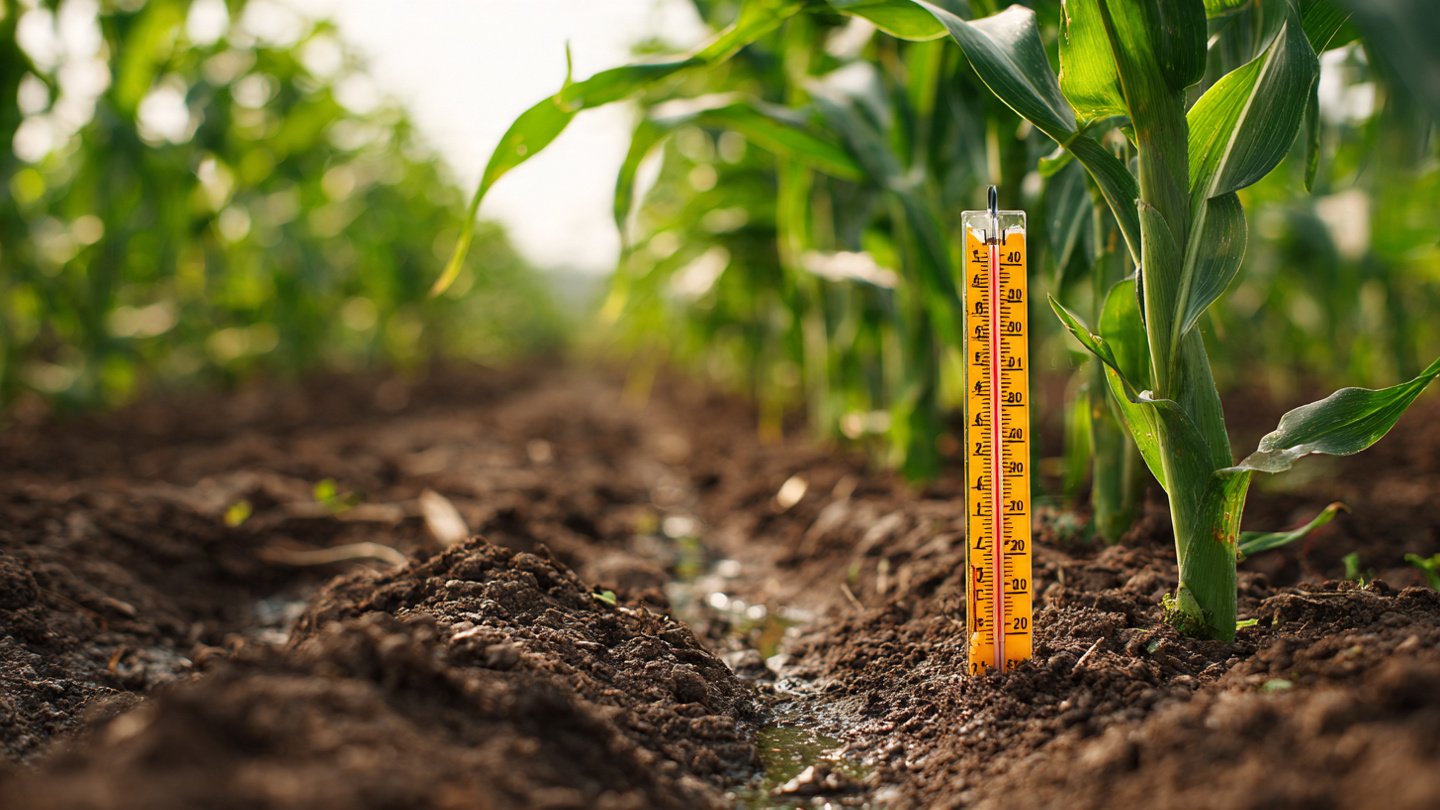
Planting corn successfully begins long before the first seed touches the soil. One of the most overlooked yet crucial factors in growing healthy, high-yield corn is soil temperature. Corn, a warm-season crop, requires consistently warm soil for optimal germination, root development, and early growth. Planting too early in cold soil can lead to slow germination, weak seedlings, and increased susceptibility to disease. Using a soil thermometer is a simple, precise method to ensure your soil is ready, giving your corn the best start possible. This article explores why soil temperature matters, how to use a soil thermometer, and best practices for planting corn.
Why Soil Temperature Matters for Corn
Corn is sensitive to soil temperature, particularly during the germination and early growth stages. Ideal soil conditions allow seeds to absorb water efficiently, activate enzymes, and develop strong roots. Soil that is too cold or too warm can significantly affect germination rates and overall plant health.
Optimal Soil Temperature
- Germination: Corn seeds germinate best in soil between 55°F and 60°F (13°C–16°C). Germination is slow or uneven below 50°F (10°C).
- Early Growth: Once seedlings emerge, soil temperatures above 65°F (18°C) promote rapid root development and nutrient uptake.
- Hot Soil Stress: Soil consistently above 85°F (29°C) can inhibit growth, dry out seeds, and reduce seedling vigor.
By measuring soil temperature accurately, gardeners and farmers can decide the precise planting time, minimizing the risks associated with improper planting conditions.
Consequences of Planting Too Early
Planting corn in soil that is too cold or unevenly warmed can lead to:
- Poor Germination: Seeds may rot or fail to sprout.
- Weak Seedlings: Slow emergence results in fragile seedlings susceptible to pests and disease.
- Stunted Growth: Cold soil slows root and leaf development, reducing early vigor.
- Reduced Yield: Delayed growth can shorten the growing season and decrease overall production.
A soil thermometer removes guesswork, allowing you to plant when conditions are truly optimal.
What Is a Soil Thermometer?
A soil thermometer is a simple, specialized tool designed to measure the temperature of the soil at various depths. Unlike air thermometers, it accurately reflects the conditions experienced by seeds and roots.
Features of a Soil Thermometer
- Probe Length: Long enough to measure soil at planting depth (typically 2–4 inches for corn).
- Temperature Scale: Marked in Fahrenheit, Celsius, or both.
- Durable Materials: Usually stainless steel or other corrosion-resistant materials suitable for outdoor use.
- Easy-to-Read Dial or Digital Display: Some models offer digital readouts with fast response times for convenience.
Having a soil thermometer is a small investment with a high payoff in planting success.
How to Use a Soil Thermometer for Corn Planting
Using a soil thermometer is simple, but accuracy requires proper technique.
Step 1: Choose a Representative Area
- Select several locations in your field or garden where corn will be planted.
- Avoid areas with extreme shade, frost pockets, or unusually dry soil, as these may not reflect typical planting conditions.
Step 2: Insert the Thermometer Probe
- Push the probe to the depth where corn seeds will be planted, usually 2–3 inches.
- Ensure the probe is fully inserted for accurate readings.
Step 3: Wait for Stabilization
- Allow the thermometer to stabilize for 1–2 minutes. Soil can be slow to transfer temperature, and rushing the reading may result in inaccurate data.
Step 4: Take Multiple Readings
- Measure soil temperature at several points to ensure uniformity across the planting area.
- Record readings in the morning and afternoon for a complete picture of daily temperature fluctuations.
Step 5: Decide When to Plant
- Only plant corn when soil temperatures consistently reach 55°F (13°C) or higher at planting depth.
- If temperatures fluctuate, wait until they stabilize above the minimum threshold for at least a week.
Preparing Soil Once Temperature Is Ideal
After confirming your soil is warm enough, proper soil preparation ensures healthy seedling growth.
1. Soil Tillage
- Loosen soil with a hoe, spade, or tiller to allow roots to penetrate easily.
- Remove clumps, rocks, and debris that may obstruct seed placement.
2. Nutrient Management
- Corn is a heavy feeder, requiring nitrogen, phosphorus, and potassium.
- Conduct a soil test to determine nutrient availability. Amend soil with compost, manure, or fertilizers as needed.
3. Moisture Management
- Soil should be moist but not waterlogged. Seeds require consistent moisture to germinate properly.
- Avoid planting in overly wet soil, which can compact and reduce oxygen availability to seeds.
4. Planting Depth
- Corn seeds are typically planted 1–2 inches deep.
- Planting too shallow can expose seeds to drying, while planting too deep slows emergence.
Benefits of Using a Soil Thermometer
Investing in a soil thermometer offers multiple advantages:
- Accurate Planting Decisions: Reduces guesswork and increases the probability of successful germination.
- Improved Yield: Ensures seeds germinate under optimal conditions, promoting healthy, vigorous plants.
- Reduced Risk of Disease: Cold soil delays growth, making seedlings more susceptible to soil-borne pathogens.
- Better Scheduling: Enables efficient planning for succession planting and staggered harvests.
- Long-Term Soil Management: Regular temperature monitoring informs crop rotation, irrigation, and fertilization strategies.
By integrating a soil thermometer into your planting routine, you make science-based decisions rather than relying on guesswork or calendar dates.
Seasonal and Climate Considerations
Soil temperature can vary significantly depending on region, season, and weather conditions.
- Cool Climates: Even when air temperatures rise, soil may remain cold. A soil thermometer ensures seeds are not planted too early.
- Warm Climates: Soil may warm quickly, but sudden cold snaps can still damage seedlings. Monitoring helps avoid planting during risky periods.
- Mulched Areas: Mulch affects soil temperature by insulating soil. Remove or adjust mulch layers before measuring to get accurate readings.
Understanding local climate trends and daily temperature variations ensures precise timing for corn planting.
Additional Tips for Successful Corn Planting
- Pre-Soak Seeds: Soaking corn seeds in water for 12–24 hours before planting can improve germination rates.
- Plant in Blocks: Corn is wind-pollinated; plant in blocks rather than long single rows to improve pollination and yield.
- Monitor Soil Moisture: Even after ideal temperatures are reached, soil moisture must remain consistent for successful germination.
- Use Row Covers in Early Season: Protect seedlings from unexpected frost or pests while soil warms.
These strategies, combined with soil temperature monitoring, ensure a strong start for your corn crop.
Conclusion
A soil thermometer is a simple, inexpensive tool that can dramatically improve your corn-growing success. Corn is highly sensitive to soil temperature, and planting in soil that is too cold or unevenly warmed can lead to poor germination, weak seedlings, and reduced yields. By monitoring soil temperature, you can plant at the optimal time, prepare your soil properly, and give your corn the best chance to thrive.
From selecting representative locations for measurement to understanding seasonal variations, soil temperature monitoring is a science-based approach that takes the guesswork out of planting. Combined with proper soil preparation, nutrient management, and moisture control, a soil thermometer ensures that your corn grows strong, healthy, and productive.
Ultimately, planting corn is not just about timing—it’s about giving seeds the conditions they need to germinate, develop roots, and grow vigorously. A soil thermometer provides that insight, transforming your gardening practice from uncertain guesswork into precise, informed action. By taking the time to measure and understand your soil’s warmth, you can enjoy a bountiful corn harvest and the satisfaction of cultivating crops with scientific precision.