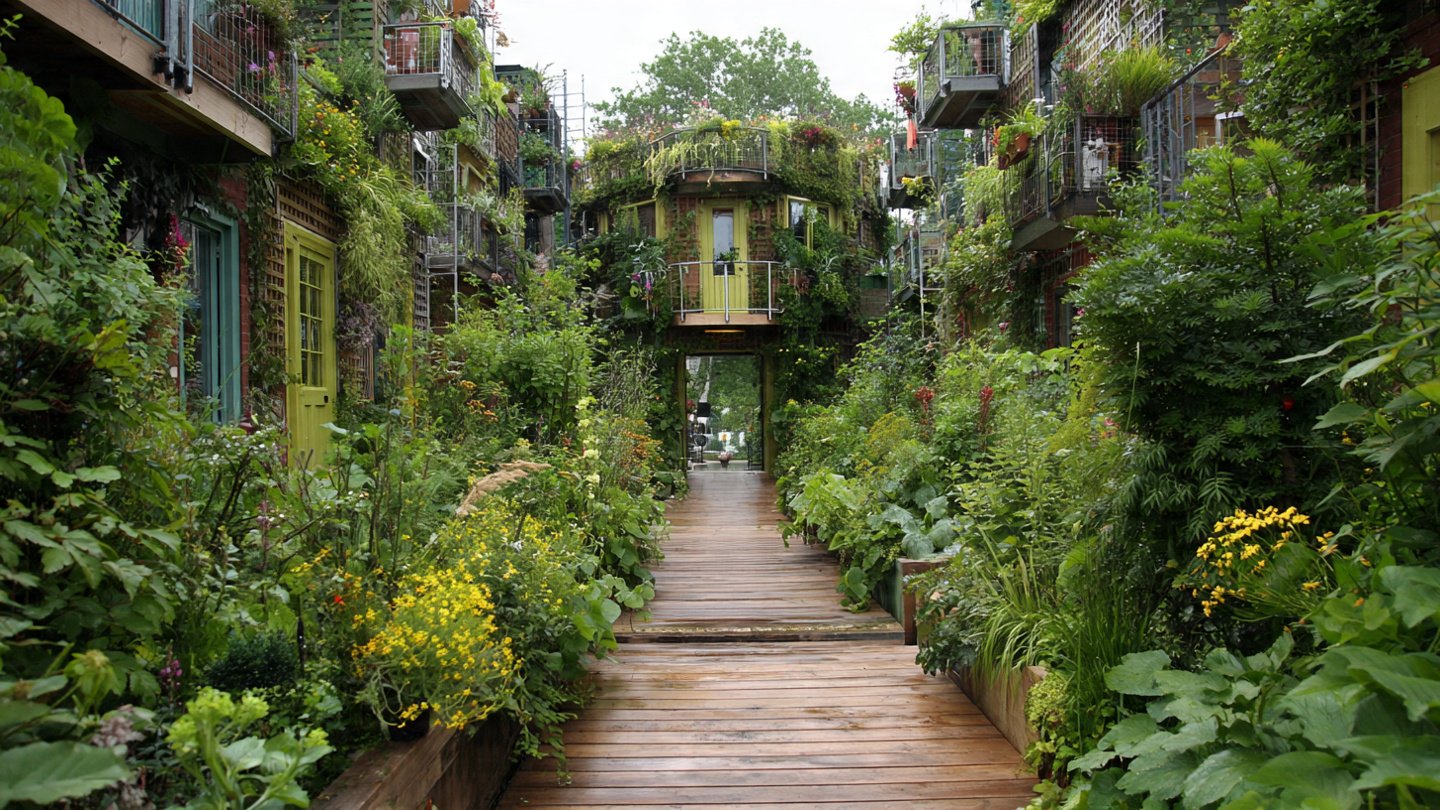
Urban living often comes with a trade-off: limited space. Apartments, tiny balconies, narrow terraces, and small backyards can make the idea of gardening feel impossible. However, modern urban garden design proves that even the smallest spaces can be transformed into lush, productive, and aesthetically pleasing green areas. With creativity, clever design, and some DIY effort, you can turn a cramped urban corner into a thriving garden oasis.
This article explores incredible DIY urban garden designs that maximize space, improve aesthetics, and bring the joy of gardening to city dwellers, no matter how limited their outdoor—or even indoor—area may be.
Vertical Gardens: Growing Upward Instead of Outward
One of the most effective ways to make the most of limited space is vertical gardening. Vertical gardens leverage walls, fences, or freestanding structures to grow plants upward rather than outward. This method is ideal for balconies, patios, or small yards where horizontal space is scarce.
DIY Ideas for Vertical Gardens
- Pallet Planters: Wooden pallets can be transformed into vertical garden structures. Simply attach landscaping fabric to the back and sides, fill the slots with soil, and plant flowers, herbs, or leafy greens.
- Hanging Pocket Planters: Fabric or felt pockets can hold small plants and be mounted on walls. These are perfect for herbs, succulents, and small vegetables.
- Trellises and Lattices: Climbing plants like tomatoes, beans, or cucumbers can grow along trellises, saving space while creating a natural green screen.
Vertical gardens not only optimize space but also enhance privacy, add aesthetic appeal, and can even help insulate walls.
Container Gardens: Flexible and Portable
Container gardening is another popular DIY solution for urban spaces. It allows you to cultivate plants without soil beds and provides mobility, letting you move plants to catch sunlight or protect them from harsh weather.
Choosing the Right Containers
- Repurposed Items: Old buckets, crates, baskets, and even wine barrels can serve as plant containers. Make sure to add proper drainage holes.
- Stackable Pots: Stackable pots or tiered plant stands maximize vertical space while allowing different plant types to coexist in a small footprint.
- Window Boxes: Window-mounted containers are ideal for herbs, strawberries, or flowers and turn overlooked ledges into productive green spots.
Container gardening offers flexibility, making it easy to adjust plant placement, rotate crops, and experiment with different plant varieties.
Hanging Gardens: Elevating Greenery
Hanging gardens are perfect for balconies, patios, or indoor spaces. They add visual interest while keeping the floor area free.
DIY Hanging Garden Ideas
- Macramé Plant Hangers: Simple macramé hangers hold pots of herbs or ornamental plants. They can be hung from ceilings, balcony rails, or curtain rods.
- Hanging Jars or Bottles: Repurposed glass jars or plastic bottles can be suspended with strings or hooks, creating a vertical chain of plants.
- Rail Planters: Balcony railings can hold specialized planters, allowing flowers or vegetables to grow downward, adding greenery without taking up floor space.
Hanging gardens bring life to vertical spaces and create a lush, cascading effect that transforms small urban areas into cozy green retreats.
Window Gardens: Nature at Your Fingertips
If outdoor space is minimal, don’t overlook windows. Window gardens are a simple yet effective DIY solution that brings greenery right to your kitchen, living room, or bedroom.
How to Create a Window Garden
- Window Boxes: Fill boxes with soil and plant herbs, flowers, or small vegetables. Ensure they receive adequate sunlight and use drip trays to catch excess water.
- Sill Planters: Use the inside window sill for compact pots of herbs or succulents. Rotate plants periodically for even light exposure.
- Tiered Sill Shelves: Add small shelves to the sill to hold multiple containers, increasing capacity without cluttering the space.
Window gardens not only provide fresh produce for cooking but also improve indoor air quality and add a calming, green touch to interiors.
Balcony Gardens: Turning Small Outdoor Areas into Green Oases
Balconies are often underutilized in urban apartments, but with thoughtful design, they can become functional and attractive garden spaces.
DIY Balcony Garden Tips
- Rail Planters and Hanging Baskets: Maximize vertical and railing space with hanging containers or planters.
- Multi-Tiered Shelving Units: Use tiered shelves to hold potted plants, flowers, or small vegetable containers.
- Foldable Furniture with Integrated Planters: Some DIY designs incorporate seating or tables with planter boxes, combining utility and greenery.
Balcony gardens provide residents with a private green sanctuary, offering fresh air, relaxation, and space for urban gardening experiments.
Indoor Herb Gardens: Fresh Flavors Year-Round
Even without an outdoor space, you can grow your own food indoors. DIY indoor herb gardens are ideal for kitchens, windowsills, or small corners.
Steps to Create an Indoor Herb Garden
- Select Containers: Small pots, jars, or repurposed tins work well. Ensure drainage is possible.
- Choose Herbs: Basil, parsley, thyme, chives, and mint thrive indoors with moderate light.
- Provide Light: Place plants near windows or use LED grow lights to ensure proper growth.
- Water and Care: Herbs prefer slightly damp soil; avoid overwatering to prevent root rot.
Indoor herb gardens allow access to fresh flavors year-round, reduce grocery costs, and add a touch of greenery to urban interiors.
Reclaimed Materials: Eco-Friendly and Creative
Urban gardeners often need to be resourceful. DIY projects using reclaimed materials not only save money but also give small spaces a unique and creative flair.
Ideas for Reclaimed Material Gardens
- Crates and Wooden Boxes: Stack crates vertically for tiered planting.
- Old Drawers: Repurpose drawers as low beds for leafy greens or flowers.
- Plastic Bottles: Cut and hang bottles for vertical herb gardens.
Reclaimed material gardens showcase creativity and sustainability, allowing small urban spaces to be both green and eco-friendly.
Micro-Gardens: Compact and Efficient
For extremely limited spaces, micro-gardens are the perfect solution. These gardens focus on small-scale cultivation of herbs, greens, or edible flowers in compact, organized arrangements.
DIY Micro-Garden Ideas
- Tray Gardens: Use shallow trays to grow sprouts, lettuce, or microgreens.
- Terrariums with Edible Plants: Combine soil, small pots, and moisture-loving herbs in glass containers.
- Desk-Side Planters: Compact pots on desks or counters provide greenery without taking up much space.
Micro-gardens are efficient, low-maintenance, and perfect for city dwellers who want the benefits of gardening in the tiniest spaces.
Creative Green Walls: Art Meets Gardening
Green walls or living walls are vertical structures covered in plants, combining decoration and functionality. They are ideal for making small spaces feel lush and alive.
DIY Green Wall Ideas
- Wall-Mounted Planters: Use mounted pots or shelves to create patterns of plants.
- Grid Systems: Hang a metal or wooden grid and attach pots for a structured green wall.
- Hydroponic Panels: For a more advanced setup, hydroponic green walls allow soil-free growth with minimal maintenance.
Green walls turn ordinary walls into visually striking gardens, adding life to small apartments, offices, or courtyards.
Benefits of DIY Urban Gardening in Small Spaces
Urban gardening offers a range of advantages beyond just aesthetics:
- Space Optimization: Vertical, hanging, and tiered designs maximize limited areas.
- Fresh Produce: Grow herbs, vegetables, and fruits at home, saving money and ensuring freshness.
- Stress Relief: Green spaces promote mental well-being and reduce stress.
- Environmental Impact: Gardens improve air quality, reduce carbon footprint, and support local biodiversity.
- Creativity and Customization: DIY projects allow for personalized designs that reflect your style.
Tips for Successful DIY Urban Gardens
- Light Management: Ensure plants receive adequate sunlight or supplement with grow lights.
- Watering: Small containers dry out faster; monitor soil moisture regularly.
- Plant Selection: Choose plants suited to your climate and growing conditions.
- Maintenance: Prune, fertilize, and rotate crops to encourage healthy growth.
- Creativity: Don’t be afraid to experiment with unconventional containers and arrangements.
Conclusion
Small urban spaces don’t have to limit your gardening dreams. With inventive DIY designs, creativity, and a little effort, even the tiniest balcony, windowsill, or wall can be transformed into a flourishing garden. Vertical gardens, container gardens, hanging planters, green walls, and micro-gardens provide multiple ways to make small spaces productive, beautiful, and calming.
By repurposing materials, using tiered systems, and optimizing vertical space, you can grow fresh vegetables, herbs, and ornamental plants in places that once seemed impossible. Urban gardening is not just about plants—it’s about reclaiming space, reducing stress, and creating a personal oasis amidst the hustle and bustle of city life.
With these DIY urban garden ideas, small spaces can thrive, proving that creativity, ingenuity, and a love for greenery can transform any urban corner into a vibrant, living retreat.