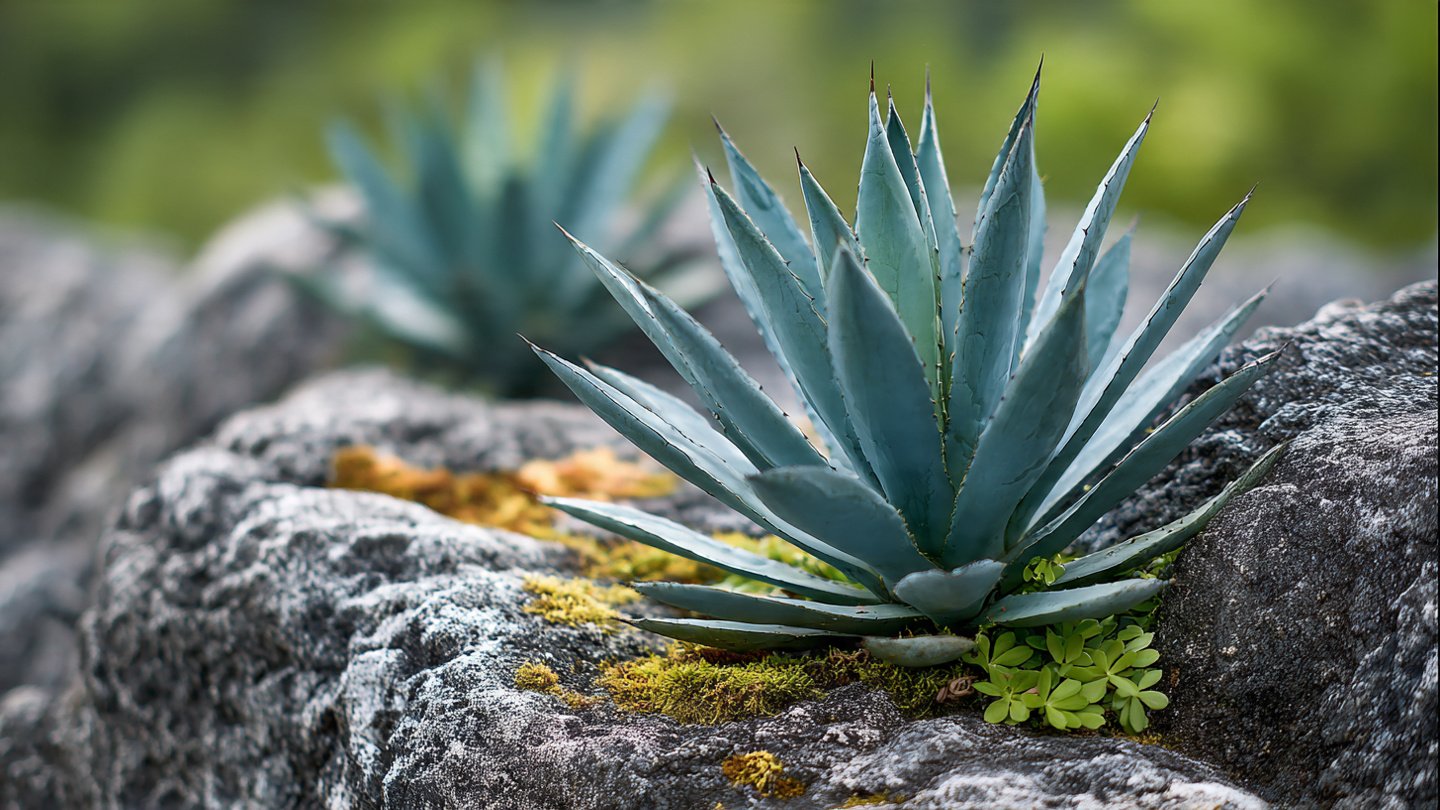
Rock gardens are perfect for creating visually striking landscapes that combine rugged natural beauty with low-maintenance plants. Among the most impressive additions to a rock garden is the agave plant, known for its bold rosettes, sculptural leaves, and drought-tolerant nature. While agaves may seem intimidating to grow, there are simple, easy methods that allow even novice gardeners to cultivate these striking succulents successfully. This guide explains how to grow agave in your rock garden using straightforward steps that ensure healthy growth and lasting beauty.
Why Agave is Perfect for Rock Gardens
Agave plants are native to arid regions and thrive in conditions that challenge many other plants. Their thick, fleshy leaves store water, making them highly drought-tolerant. This resilience aligns perfectly with the dry, rocky conditions often found in rock gardens. Additionally, agaves vary in size, shape, and color, allowing gardeners to mix and match species for a dynamic, layered aesthetic.
Rock gardens typically feature well-draining soil, exposure to sunlight, and minimal competition from other plants—all conditions that agaves love. By placing these succulents in the right environment, you can reduce maintenance while adding a striking focal point to your garden.
Choosing the Right Agave Species
The first step in growing agave successfully is selecting a species suited to your climate and garden size. Some popular choices for rock gardens include:
- Agave americana – Known as the century plant, it can grow very large and makes a dramatic statement.
- Agave parryi – Compact and blue-gray, ideal for smaller rock gardens.
- Agave attenuata – Soft, curved leaves and spineless tips make it beginner-friendly.
- Agave victoriae-reginae – A slow-growing species with geometric, white-marked leaves, perfect for high-contrast rock garden designs.
Choosing the right species ensures that your agave thrives in your garden conditions and complements other plants and rocks.
Selecting the Perfect Spot
Agaves need plenty of sunlight to develop their characteristic rosettes. The ideal location in a rock garden is a spot that receives at least six hours of direct sun daily. South-facing areas are generally the best, as they provide consistent light and warmth. If your garden is in a region with extremely hot summers, some afternoon shade can prevent leaf scorching.
Drainage is equally critical. Agaves do not tolerate waterlogged soil, and standing water can lead to root rot. When planting in a rock garden, choose a location where water naturally drains away. Raised beds, slopes, or the crevices between rocks can offer excellent drainage and help protect your agaves from excessive moisture.
Preparing the Soil
Agaves thrive in well-draining, sandy soil with moderate fertility. In a rock garden, soil preparation involves mixing garden soil with coarse sand, small gravel, or perlite. A typical mixture for rock garden agaves might be two parts garden soil to one part sand or gravel. This blend ensures that water drains quickly, reducing the risk of root rot while still providing enough nutrients for healthy growth.
Before planting, remove large rocks, roots, and debris from the planting hole. Dig a hole slightly larger than the root ball to allow roots to spread easily. If your garden soil is clay-heavy, adding extra sand or gravel is essential to improve drainage and mimic the agave’s natural habitat.
Planting Agave in Your Rock Garden
Planting agave is a simple process when done correctly. Follow these steps for the best results:
- Remove from container: Gently take the agave out of its pot, avoiding damage to the roots.
- Loosen the roots: Lightly tease the roots to encourage growth in the new soil.
- Position the plant: Place the agave in the hole so that the base of the rosette sits slightly above soil level. Planting too deep can cause rot.
- Backfill carefully: Fill the hole with the prepared soil mix, pressing lightly to eliminate air pockets.
- Water lightly: Water the plant after planting to help settle the soil. Avoid heavy watering, as the roots are sensitive to overwatering.
Spacing is also important if you are planting multiple agaves. Give each plant enough room to grow without competition. Large species like Agave americana may need several feet of clearance, while smaller species can be planted closer together.
Watering and Care
Agaves are drought-tolerant but still need some water to establish roots. For newly planted agaves, water lightly once or twice a week during the first month. Afterward, reduce watering frequency significantly. Established agaves in rock gardens typically thrive on natural rainfall, with occasional watering during prolonged dry periods.
Avoid overhead watering, as moisture on leaves can encourage fungal diseases. Instead, water at the base of the plant. Mulching with gravel around the plant can help retain minimal moisture, reduce soil temperature fluctuations, and prevent weeds.
Fertilizing Your Agave
Agaves do not require heavy fertilization. Over-fertilizing can lead to excessive growth, making the plant more susceptible to pests and environmental stress. If desired, a slow-release succulent fertilizer applied in early spring is sufficient. Focus on balanced nutrients with a slightly higher phosphorus content to encourage strong root development.
Protecting Agave from Pests and Diseases
Agaves are generally hardy and resistant to most pests. However, they can occasionally be affected by mealybugs, scale, or fungal infections. Inspect your plants regularly and remove any visible pests. Avoid overwatering and ensure good air circulation around each plant to minimize fungal issues.
Some gardeners also protect young agaves from extreme heat by providing temporary shade using a garden cloth or positioning them near larger rocks that provide afternoon shade. This helps prevent leaf scorching during peak summer temperatures.
Propagating Agave for Your Rock Garden
Once your initial agaves are established, you can propagate them easily to expand your rock garden. Many agaves produce offsets, or “pups,” around the base of the parent plant. These can be carefully removed and replanted. Follow these steps for successful propagation:
- Wait until pups are 6–8 inches tall: This ensures they have developed strong roots.
- Use a sharp, clean tool: Cut the pup away from the parent plant, including as many roots as possible.
- Allow to callus: Let the cut area dry and callus for a few days to prevent rot.
- Plant in well-draining soil: Use the same soil mix as adult plants and water lightly.
Propagation allows gardeners to gradually fill a rock garden with agaves without purchasing multiple plants, making it a cost-effective and satisfying approach.
Designing a Rock Garden Around Agave
Agaves are naturally sculptural, making them ideal focal points in a rock garden. When planning your layout, consider these design tips:
- Contrast with texture: Pair agaves with softer, low-growing plants like sedums or creeping thyme to highlight their bold, spiky leaves.
- Use rocks strategically: Place larger rocks around agaves to mimic their natural desert habitat and provide shade for younger plants.
- Layer heights: Combine tall and short species to create depth and visual interest.
- Consider color: Agaves come in green, blue, gray, and variegated forms. Mixing colors can enhance the visual appeal of your garden.
The combination of rocks, soil, and drought-tolerant plants creates a naturalistic, low-maintenance landscape that can thrive even in hot, dry conditions.
Seasonal Care and Maintenance
Agaves are low-maintenance, but seasonal attention helps them thrive in your rock garden:
- Spring: Remove dead leaves and apply light fertilizer.
- Summer: Water minimally and watch for leaf scorching.
- Autumn: Clear debris and prepare the plant for cooler months.
- Winter: In colder climates, protect agaves from frost using covers or by relocating smaller plants indoors.
Regular monitoring ensures that your agaves remain healthy year-round and continue to enhance the beauty of your rock garden.
Conclusion
Growing agave in a rock garden is easier than it seems when you follow a straightforward approach. By selecting the right species, preparing well-draining soil, planting carefully, and providing minimal but consistent care, gardeners can enjoy striking, low-maintenance succulents that thrive even in hot, challenging conditions. Agaves not only add structural interest and color to a rock garden but also require minimal effort compared to many other garden plants. With this easy method, anyone can cultivate a stunning rock garden that showcases the bold beauty and resilience of agave.
Whether you are a beginner or an experienced gardener, adding agaves to your rock garden is a rewarding choice. Their dramatic leaves, drought tolerance, and low-maintenance nature make them perfect companions to rocks, gravel, and other succulents. By following these simple steps, your rock garden will flourish, becoming a striking, enduring landscape that highlights the timeless appeal of agave plants.