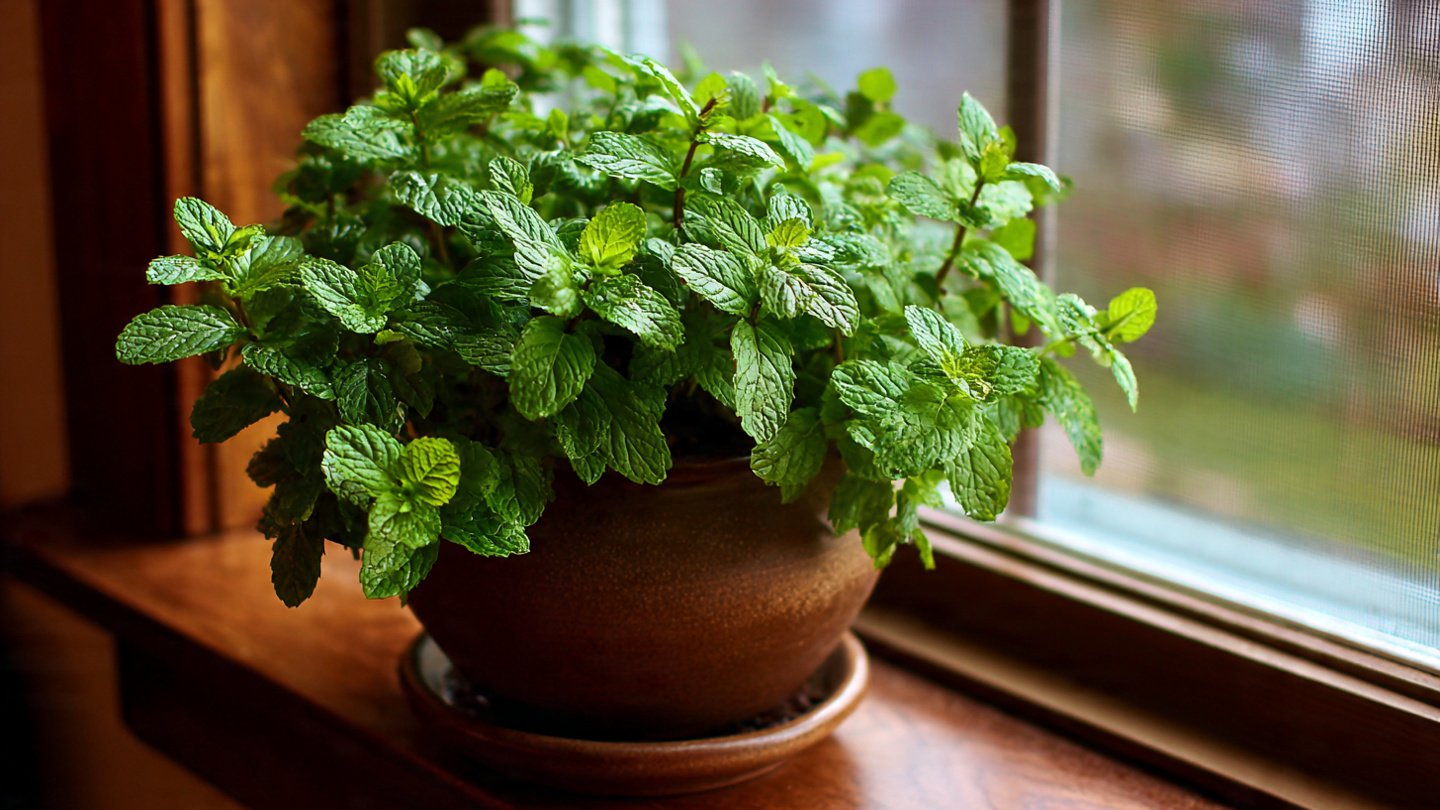
Mint is one of the most versatile and aromatic herbs you can grow, offering refreshing flavor for drinks, culinary dishes, and even natural remedies. Whether you’re a seasoned gardener or a beginner, growing mint can be incredibly rewarding. Its vigorous growth, however, requires some planning to prevent it from taking over your garden. By understanding how to cultivate mint both indoors and outdoors, you can enjoy fresh mint leaves year-round.
Understanding Mint: Varieties and Growth Habits
Before planting, it’s essential to know the type of mint you want to grow. The most popular varieties include spearmint, peppermint, chocolate mint, and apple mint. Each has unique flavors and aromas, so consider your intended use. Spearmint is ideal for teas and mojitos, while peppermint is more robust and suitable for culinary dishes and desserts.
Mint is a hardy perennial, meaning it comes back year after year if properly cared for. Its growth habit is vigorous and spreading, primarily through underground runners called stolons. This characteristic makes mint a prolific grower but can also make it invasive if planted directly in garden beds. Understanding its spreading nature is crucial for successful cultivation.
Choosing the Right Location
Outdoor Mint
When growing mint outdoors, select a location with partial to full sunlight. Mint thrives in rich, moist soil with good drainage. While it can tolerate some shade, direct sunlight promotes better flavor and more vigorous growth. Avoid planting mint near delicate flowers or slow-growing plants, as it can easily overshadow them.
One effective strategy is to use containers or raised beds to confine its roots. This prevents mint from spreading uncontrollably while still allowing it to flourish. If you prefer planting directly in the ground, consider installing underground barriers to contain the runners.
Indoor Mint
Indoor mint requires bright, indirect sunlight. A south-facing window is ideal, but east or west-facing windows can also work. If natural light is insufficient, supplement with a grow light to ensure consistent growth. Indoors, mint benefits from moderate temperatures ranging between 65°F and 70°F (18–21°C) and humidity levels of around 40–60%.
Indoor containers should have drainage holes to prevent waterlogging. Wide, shallow pots are preferred because mint has a shallow but spreading root system. Regularly rotating the pot helps the plant receive even light and maintain a balanced growth pattern.
Soil and Planting Requirements
Mint prefers slightly acidic to neutral soil with a pH between 6.0 and 7.0. Incorporate organic matter such as compost to improve soil fertility and drainage. Whether planting in containers or directly outdoors, a loose, well-draining soil mix encourages healthy root development.
When planting, space outdoor mint plants about 18–24 inches apart. This spacing allows air circulation and reduces the risk of fungal diseases. Indoors, plant a single mint stem per pot or multiple stems if the container is large. Water immediately after planting to help the roots establish.
Propagation Techniques
Mint is exceptionally easy to propagate, making it perfect for both beginners and experienced gardeners. There are several propagation methods:
- Stem Cuttings: Cut a 4–6 inch stem from an existing plant. Remove the lower leaves and place the stem in water or directly into moist soil. Roots typically develop within 1–2 weeks.
- Division: Dig up an established plant and divide the root clumps. Replant each division in a new location or container.
- Layering: Bend a healthy stem to the ground and cover a section with soil. Roots will form at the buried node, allowing you to cut and transplant the new plant.
Propagation allows you to expand your mint garden without purchasing new plants. Additionally, it ensures the new plants retain the same characteristics as the parent plant.
Watering and Fertilization
Mint loves moisture, but overwatering can lead to root rot. Keep the soil consistently moist but not soggy. Outdoor mint may need watering 2–3 times per week during dry periods, while indoor mint typically requires watering every 3–4 days, depending on humidity and container size.
Fertilizing mint is optional if your soil is rich, but a balanced, all-purpose fertilizer can promote lush growth. Apply a liquid fertilizer every 4–6 weeks during the growing season, or use a slow-release granular fertilizer in the soil. Avoid excessive nitrogen, as it encourages leaf growth at the expense of flavor and aroma.
Pruning and Harvesting
Regular pruning is key to maintaining a healthy, productive mint plant. Trim the tops of the stems regularly to encourage bushier growth and prevent flowering, which can reduce leaf quality. Outdoor mint may need more frequent pruning due to faster growth.
Harvest leaves as needed, starting from the top to promote continued growth. Ideally, harvest in the morning when essential oils are most concentrated. For long-term storage, you can dry, freeze, or preserve the leaves in oil. Pruning also helps prevent the plant from becoming leggy or taking over your garden space.
Pest and Disease Management
Mint is generally resilient but can fall victim to pests such as aphids, spider mites, and whiteflies. Regularly inspect your plants for signs of infestation. Insecticidal soaps or neem oil are effective natural treatments.
Fungal diseases, including powdery mildew and rust, can occur in humid or poorly ventilated conditions. Ensure proper spacing and airflow, and avoid overhead watering to minimize fungal issues. Removing affected leaves promptly prevents the spread of disease. For indoor mint, maintaining a clean environment and using well-draining soil are crucial preventive measures.
Overwintering Mint
For outdoor mint in colder climates, protect your plants during winter. Mulch around the base of the plant with straw, leaves, or compost to insulate the roots. In extremely harsh climates, consider digging up the plant and bringing it indoors in a pot.
Indoor mint naturally thrives year-round, but growth may slow during the winter months due to reduced light. Supplemental lighting and careful watering help maintain healthy plants until spring.
Companion Planting and Benefits
Mint can be a valuable companion plant in both indoor and outdoor gardens. Its strong aroma repels pests such as ants, aphids, and cabbage moths, making it a natural insect deterrent. Plant mint near tomatoes, cabbage, or peppers to take advantage of its protective properties.
Additionally, growing mint indoors enhances air quality and adds a pleasant scent to your home. Using fresh mint in teas, smoothies, and culinary dishes brings not only flavor but also health benefits, including improved digestion and mild stress relief.
Tips for Year-Round Freshness
To enjoy mint year-round, consider these strategies:
- Continuous Harvesting: Regularly pinch off leaves to encourage new growth. Avoid harvesting more than one-third of the plant at a time.
- Rotate Indoors and Outdoors: During warm months, move indoor mint outside to benefit from sunlight. Return the plant indoors as temperatures drop.
- Start New Plants: Propagate cuttings regularly to maintain a constant supply of fresh mint.
- Preserve Excess Harvest: Dry or freeze surplus mint to ensure a steady supply even when the plant is dormant.
By combining careful cultivation, proper care, and thoughtful harvesting, you can have a thriving mint garden that produces flavorful leaves year-round.
Conclusion
Growing mint indoors and outdoors is both rewarding and practical. With the right location, soil, and care, mint can flourish and provide a steady supply of fresh leaves for culinary, medicinal, and decorative purposes. Whether you prefer growing spearmint, peppermint, or unique varieties like chocolate mint, following best practices for planting, watering, fertilizing, and pruning ensures healthy plants.
Mindful management of pests, diseases, and spreading tendencies keeps your mint garden under control, while propagation and preservation techniques guarantee year-round availability. Whether in a sunny windowsill, a container on your balcony, or a dedicated garden bed, mint offers unmatched freshness and aroma, making it an essential herb for every gardener.
By implementing these strategies, you can enjoy the invigorating scent and flavor of mint any time of the year, enriching your meals, beverages, and home with this resilient, aromatic herb.