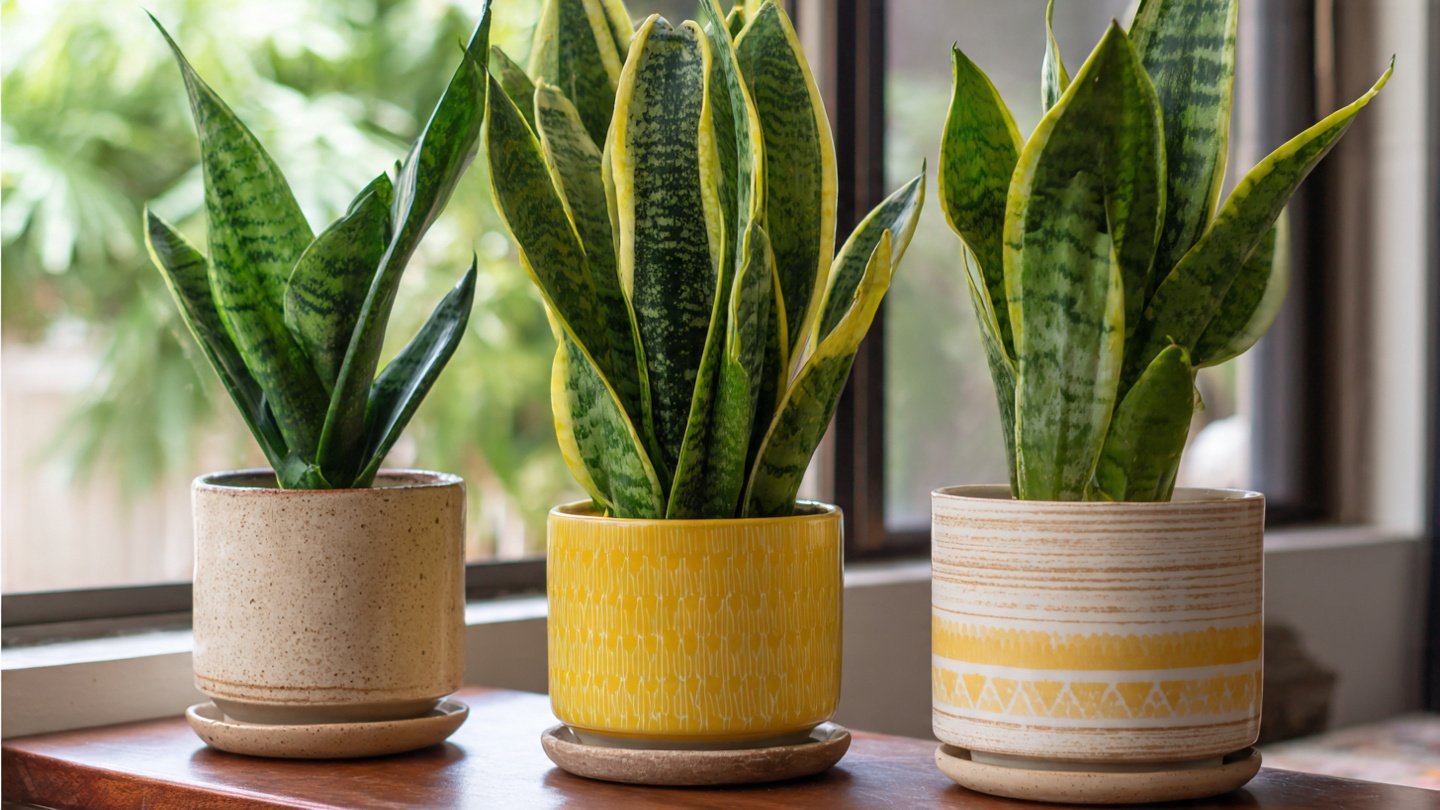
Snake plants, also known as Sansevieria or Dracaena trifasciata, are among the most popular indoor plants due to their resilience, low maintenance, and striking vertical leaves. Propagating snake plants is a cost-effective way to multiply your collection or share them with friends while ensuring the new plants are healthy and vigorous. Among the various propagation techniques—leaf cuttings, division, and water propagation—the soil-based method is especially effective for producing robust, long-lasting plants. This article explores the step-by-step process of soil-based propagation, offering tips to achieve strong root development and healthy growth.
Why Choose the Soil-Based Propagation Method
While snake plants can be propagated in water or by leaf cuttings alone, the soil-based method offers several advantages:
- Stronger Root Systems: Plants propagated directly in soil develop roots that are accustomed to their growing medium from the beginning, reducing transplant shock.
- Reduced Risk of Rot: Water propagation can sometimes lead to rotting leaves or stems, whereas soil provides natural aeration that limits moisture buildup.
- Faster Establishment: Soil-based cuttings or divisions adapt quickly and begin absorbing nutrients immediately, leading to faster vegetative growth.
By choosing soil-based propagation, gardeners can produce healthy, durable snake plants with minimal setbacks.
Selecting the Parent Plant
The first step in propagation is selecting a healthy parent plant. Look for a snake plant that exhibits:
- Vibrant green leaves without discoloration or yellowing.
- Firm, upright leaves free of mushy spots or disease.
- Mature size, as older plants tend to produce stronger offsets and cuttings.
Avoid using plants that show signs of pests, fungal infections, or nutrient deficiencies, as these issues can transfer to the new plants.
Propagation Methods Using Soil
There are two primary soil-based propagation methods for snake plants: leaf cuttings and division of rhizomes. Both approaches are effective, but the choice depends on whether you want to multiply an existing plant gradually or divide a mature plant immediately.
1. Propagation by Leaf Cuttings
Leaf cutting propagation is ideal for beginners and allows you to grow multiple new plants from a single parent leaf. Here’s how to do it:
Step 1: Choose and Cut Leaves
- Select mature, healthy leaves. Avoid damaged or young leaves, which may take longer to root.
- Using a sterilized knife or scissors, cut the leaf near the base. Trim the leaf into 3–4 inch sections.
- Remember to note which end is the bottom. Planting upside-down cuttings can prevent root growth.
Step 2: Prepare the Soil
- Use a well-draining soil mix, ideally one designed for succulents or cacti.
- A mixture of potting soil, sand, and perlite (in a 2:1:1 ratio) works well to provide aeration and prevent waterlogging.
- Fill a small pot with the soil mixture, leaving enough space for the cutting to stand upright.
Step 3: Plant the Cuttings
- Insert the bottom end of each cutting about 1–2 inches deep into the soil.
- Ensure the leaf section is upright and stable. Lightly press soil around it to eliminate air pockets.
- Water the soil lightly to settle it around the cutting, but avoid soaking it.
Step 4: Provide Optimal Conditions
- Place the pots in bright, indirect sunlight. Avoid direct sunlight, which can scorch the leaves.
- Maintain a consistent temperature between 21°C and 27°C (70°F–80°F).
- Water sparingly, only when the soil feels dry. Overwatering can cause the cuttings to rot before roots develop.
Step 5: Wait for Root Development
- Rooting can take anywhere from 4 to 8 weeks. You can gently tug on the cutting after a few weeks to check for resistance, indicating root formation.
- Once roots are established, gradually increase water and start fertilizing lightly with a balanced houseplant fertilizer to promote new leaf growth.
2. Propagation by Rhizome Division
For faster results and immediate growth, propagating via rhizome division is highly effective. Snake plants grow from underground rhizomes, which can be split to create new plants.
Step 1: Remove the Parent Plant
- Carefully remove the snake plant from its pot to expose the rhizomes and root system.
- Shake off excess soil to clearly see the rhizome segments.
Step 2: Divide the Rhizomes
- Using a clean, sharp knife or scissors, cut the rhizome into sections, ensuring each section has at least one healthy leaf and a portion of roots.
- Trim away any damaged or diseased parts to prevent infection.
Step 3: Prepare the Soil
- Use the same well-draining soil mix as for leaf cuttings. Fill pots slightly smaller than the original root ball to support healthy establishment.
Step 4: Plant the Divisions
- Place each rhizome section in its pot with roots buried and leaves upright.
- Firm the soil gently around the roots and water lightly.
Step 5: Care for the New Plants
- Place the pots in indirect sunlight with stable temperatures.
- Avoid overwatering; water only when the soil surface feels dry.
- Within a few weeks, the divisions should establish new roots and start producing new leaves.
Post-Propagation Care
Soil-based propagated snake plants require consistent care to thrive:
- Watering: Water only when the soil is dry to the touch. Overwatering is the most common cause of failure.
- Light: Provide bright, indirect sunlight for optimal growth. Snake plants tolerate low light but will grow slower.
- Temperature: Keep the environment warm and free from drafts or sudden temperature changes.
- Fertilization: Once roots are established and new leaves emerge, apply a diluted balanced fertilizer every 6–8 weeks during the growing season.
- Pest Monitoring: Inspect regularly for pests such as spider mites or mealybugs. Early detection prevents infestations that could harm young plants.
Common Challenges and Solutions
Even with the soil-based method, propagation can encounter challenges. Here are some common issues and solutions:
- Rotting cuttings: Usually caused by overwatering or poor drainage. Solution: Use a well-draining soil mix and water sparingly.
- Leaf yellowing: Often due to excessive moisture or lack of light. Solution: Adjust watering and relocate to a brighter spot.
- Slow root development: Could result from low temperatures or improper planting orientation. Solution: Maintain warm conditions and ensure the cutting is upright.
By monitoring these factors, growers can troubleshoot problems early and ensure healthy growth.
Benefits of Soil-Based Propagation
- Produces strong, well-established root systems.
- Reduces transplant shock when compared to water-propagated plants.
- Allows for multiple propagation attempts simultaneously.
- Encourages healthy, long-term growth suitable for indoor or outdoor placement.
Conclusion
Propagating snake plants using the soil-based method is a reliable and effective technique to produce healthy, robust plants. Whether using leaf cuttings or rhizome divisions, this method promotes strong root development, reduces the risk of rot, and ensures new plants adapt quickly to their growing medium.
By selecting healthy parent plants, preparing well-draining soil, and providing optimal light, temperature, and water conditions, gardeners can multiply their snake plants successfully. With patience, careful observation, and consistent care, soil-propagated snake plants will flourish, producing striking vertical leaves and thriving for years to come.
Soil-based propagation is not only practical but also rewarding, allowing plant enthusiasts to expand their indoor jungle or share the beauty of snake plants with friends and family.