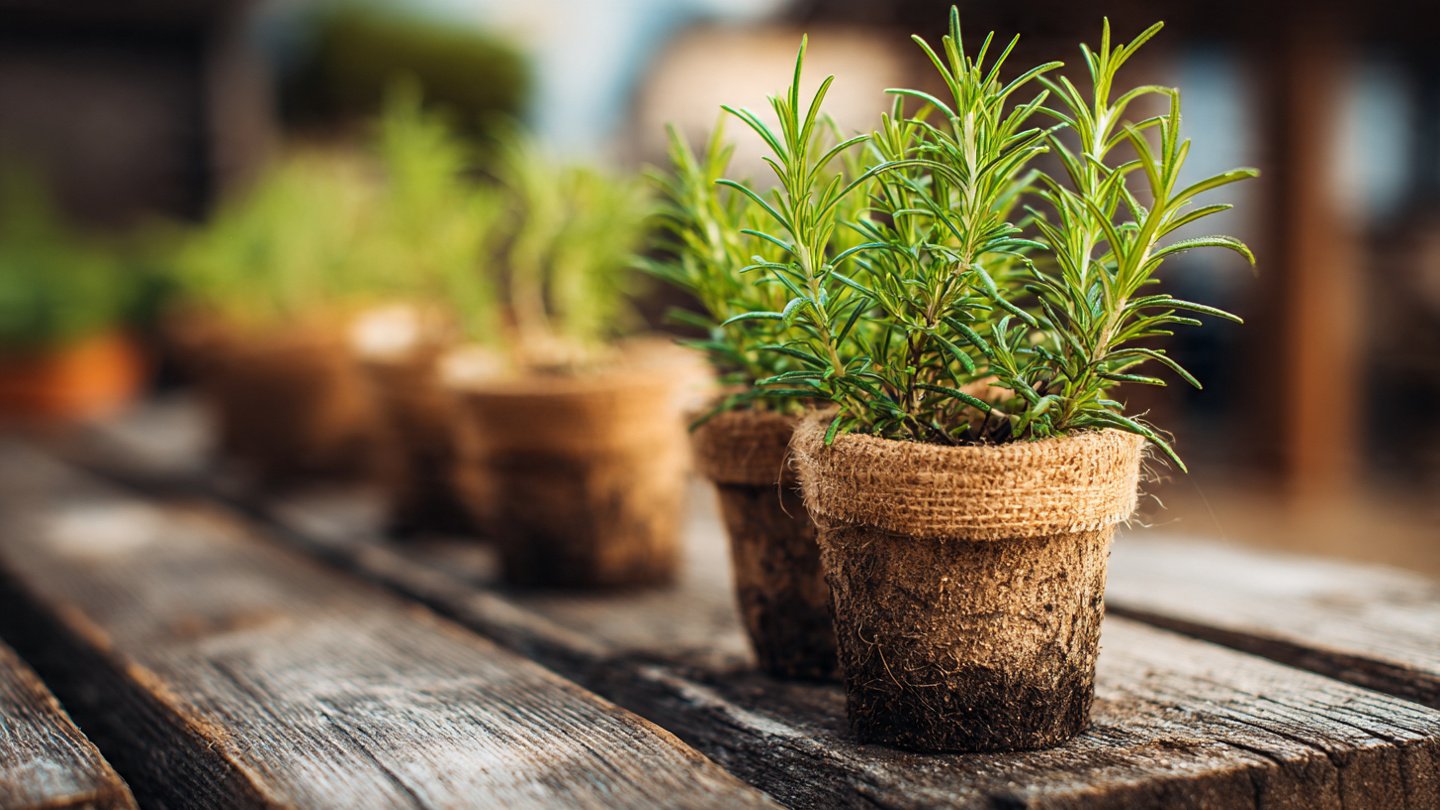
Rosemary (Rosmarinus officinalis) is a fragrant, versatile herb valued in kitchens, gardens, and natural remedies. Its needle-like leaves provide flavor to dishes, while the plant’s aromatic scent and attractive foliage make it a decorative garden addition. While many gardeners purchase rosemary plants, propagating rosemary at home ensures a virtually endless supply, reduces costs, and allows gardeners to share plants with friends and family. Propagation also offers the satisfaction of nurturing new plants from cuttings, giving you complete control over plant quality and variety. This guide explores the methods, tips, and best practices to propagate rosemary successfully, whether you are a beginner or an experienced gardener.
Understanding Rosemary Propagation
Rosemary can be propagated through several methods, including stem cuttings, layering, and from seed. While seeds are viable, germination can be slow and inconsistent, making stem cuttings the most reliable and widely recommended approach. Cuttings produce clones of the parent plant, ensuring the new plant inherits desirable traits such as flavor, aroma, growth habit, and disease resistance.
Successful propagation depends on several factors: selecting healthy parent plants, preparing cuttings properly, using the right soil medium, providing adequate humidity and light, and practicing patience. With careful attention, even novice gardeners can grow strong, thriving rosemary plants from cuttings.
Choosing the Right Parent Plant
The first step in propagation is selecting a healthy rosemary plant to take cuttings from. Look for plants that:
- Are vigorous and disease-free
- Have woody, mature stems but not overly hard or brittle
- Exhibit strong growth and aromatic leaves
- Are not stressed by drought or extreme conditions
Avoid using old, woody stems that are difficult to root or young, soft shoots that may rot easily. Semi-hardwood stems, which are partially mature but still flexible, are ideal for propagation.
Preparing the Cuttings
To propagate rosemary effectively, proper cutting preparation is crucial. Follow these steps:
- Select the cutting: Choose a 4–6 inch section of healthy stem with several leaf nodes. Leaf nodes are essential as roots develop from these points.
- Trim the cutting: Remove the lower leaves from the bottom 2 inches of the stem, leaving the top 2–3 inches of foliage intact. This reduces water loss and encourages root growth.
- Optional rooting hormone: Dip the cut end of the stem into a rooting hormone powder or gel. While not strictly necessary, rooting hormone can significantly increase success rates and speed up root formation.
Proper preparation of cuttings maximizes the likelihood of successful propagation and reduces the risk of rot or failure.
Choosing the Right Soil Medium
Rosemary cuttings require a light, well-draining soil to prevent waterlogging, which can cause root rot. Experts recommend a propagation medium consisting of:
- 50% perlite or sand
- 50% peat moss or coconut coir
This mix provides aeration, retains minimal moisture, and supports root development. Sterilizing the soil by baking or steaming reduces the risk of fungal infection and enhances success rates.
Planting the Cuttings
Once prepared, plant rosemary cuttings as follows:
- Make a small hole in the soil using a pencil or stick.
- Insert the cutting 2 inches deep, ensuring that the stripped portion of the stem is fully buried.
- Gently firm the soil around the cutting to stabilize it.
- Water lightly to settle the soil, but avoid soaking it.
Plant cuttings individually in small pots or seed trays. This allows for easy monitoring of root development and prevents overcrowding, which can increase fungal issues.
Providing the Ideal Environment
Rosemary cuttings root best under conditions that balance warmth, moisture, and light.
- Light: Place cuttings in bright, indirect sunlight. Avoid direct sun, which can stress unrooted cuttings.
- Temperature: Maintain a temperature of 65–75°F (18–24°C) to encourage root formation. Bottom heat, such as a seedling mat, can improve success rates.
- Humidity: High humidity supports cuttings by reducing water loss. Covering pots with a clear plastic dome or bag creates a mini-greenhouse environment. Ensure ventilation to prevent fungal growth.
Maintaining these environmental conditions ensures that cuttings remain healthy while roots develop.
Watering Practices
Moisture management is critical during rosemary propagation. The soil should remain lightly moist but never waterlogged. Overwatering can lead to rot, while underwatering causes cuttings to dry out and die.
Use a spray bottle to mist the soil surface gently. Check the soil regularly and adjust watering based on temperature, humidity, and soil texture. Proper moisture management supports healthy root formation without encouraging fungal issues.
Rooting Time and Patience
Rosemary cuttings typically develop roots within three to six weeks. The exact time depends on the variety, cutting maturity, and environmental conditions.
- Check for roots by gently tugging on the cutting. Resistance indicates root growth.
- Avoid disturbing cuttings too frequently, as this can damage emerging roots.
Patience is key during this stage. Maintaining stable conditions and monitoring for fungal growth or pests ensures that the cuttings remain viable until well-established roots form.
Transplanting Rooted Cuttings
Once cuttings have established strong roots, they can be transplanted into larger pots or directly into garden beds.
- Choose a well-draining soil mix, similar to the propagation medium but slightly richer in organic matter.
- Gently remove the rooted cutting from the pot, keeping the root system intact.
- Plant at the same depth as in the propagation container.
- Water lightly and gradually introduce the plant to more sunlight.
Gradual acclimatization helps reduce transplant shock and encourages vigorous growth.
Long-Term Care for Propagated Rosemary
Caring for transplanted rosemary plants ensures continued growth, productivity, and an endless supply of herbs:
- Sunlight: Provide at least six hours of direct sunlight daily. Rosemary thrives in sunny locations and produces stronger aroma and flavor when grown in full sun.
- Watering: Established rosemary is drought-tolerant. Water deeply but infrequently, allowing the soil to dry between waterings.
- Pruning: Regular pruning encourages bushy growth, prevents woody stems from becoming too tall, and promotes continual harvesting.
- Fertilization: Apply a balanced, slow-release fertilizer or organic compost once or twice per growing season to support growth and flavor.
- Pest management: Rosemary is relatively pest-resistant, but watch for aphids, spider mites, or fungal infections. Organic sprays or neem oil can control infestations.
Consistent care ensures that propagated rosemary plants flourish for years, providing a sustainable supply of fresh herbs.
Propagation by Layering
In addition to stem cuttings, rosemary can also be propagated by layering. This technique involves bending a low-growing branch to the soil, securing it with a peg or rock, and allowing it to root naturally while still attached to the parent plant. Once roots form, the new plant can be separated and transplanted.
Layering has a high success rate because the branch continues to receive nutrients from the parent plant while roots develop. This method is particularly useful for larger, mature rosemary plants that may not have suitable cuttings for propagation.
Creating a Continuous Supply
To ensure an endless supply of rosemary, gardeners can practice succession propagation:
- Take cuttings every few months from healthy, mature plants.
- Maintain multiple propagation pots at different stages to stagger growth.
- Harvest strategically to encourage new growth, as cutting stems for culinary use also provides material for propagation.
By combining stem cuttings, layering, and careful pruning, gardeners can create a self-sustaining system of rosemary production.
Additional Expert Tips
- Use sharp, sterilized tools: Prevents damage to stems and reduces the risk of disease transmission.
- Label cuttings: Tracking varieties ensures proper care and selection of preferred flavors.
- Monitor humidity carefully: Excess moisture can promote fungal diseases, especially under plastic covers.
- Rotate propagation trays: Even light distribution encourages uniform root development.
- Experiment with rooting hormones: Gel or powder formulations can increase success rates for difficult varieties.
These expert practices improve propagation efficiency and enhance the long-term health of new rosemary plants.
Conclusion
Propagating rosemary at home is a rewarding way to ensure an endless supply of this fragrant and versatile herb. By understanding the plant’s growth requirements, selecting healthy parent material, and using proper propagation techniques, gardeners can cultivate strong, flavorful plants from cuttings or through layering.
Success depends on careful soil preparation, moisture management, proper light, and patience during rooting. Once established, transplanted rosemary thrives with minimal care, offering fresh leaves for culinary, medicinal, and decorative purposes. Strategic pruning, fertilization, and succession propagation allow gardeners to maintain a continuous supply of healthy rosemary plants throughout the year.
Whether grown in pots, garden beds, or indoors, propagated rosemary provides lasting value, combining practicality, aesthetic appeal, and sustainability. With attention to detail and consistent care, anyone can enjoy the satisfaction of a home herb garden that never runs out of fragrant, flavorful rosemary.