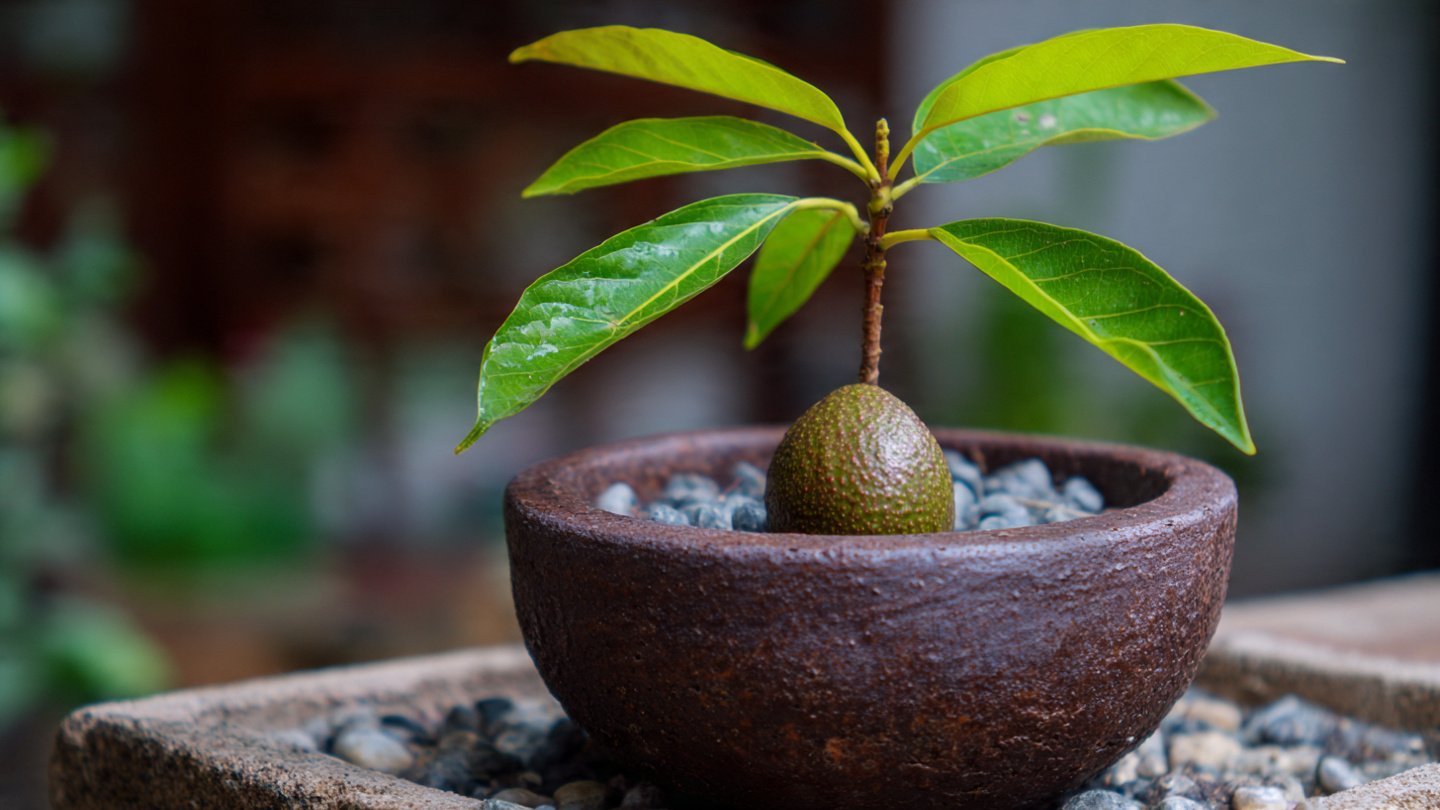
Avocado, with its creamy texture, rich flavor, and health benefits, has become a staple in kitchens worldwide. While the fruit is widely available in stores, growing an avocado tree at home from a pit is a fun, rewarding project that allows gardeners to experience the satisfaction of nurturing a plant from seed to sapling. Planting an avocado pit is simple, requires minimal materials, and offers an opportunity to learn about germination and plant care. This complete guide will walk you through each step of planting an avocado pit and growing it successfully at home.
Understanding Avocado Seeds
Before starting, it’s important to understand what an avocado seed is and how it develops. The pit is the seed located at the center of the avocado fruit. It contains all the nutrients needed for the initial stages of germination. Avocado seeds vary in size and shape depending on the variety, but they all have a hard outer shell that protects the inner embryo.
Seeds from ripe, healthy fruits germinate more reliably. While commercial avocado trees are often grafted for faster fruiting, growing from seed allows you to observe the natural growth process, creating a connection with the plant that is both educational and enjoyable.
Preparing the Avocado Pit
Start by selecting a fresh, healthy avocado. Remove the pit carefully without cutting it. Rinse off all fruit residue under lukewarm water. Avoid using soap or harsh chemicals, as these can damage the seed. Pat the pit dry with a clean towel.
Next, identify the top and bottom of the pit. The slightly pointed end is the top, which will sprout the stem, while the flat, broader end is the bottom, from which roots will emerge. Proper orientation is critical for successful germination.
Choosing a Germination Method
There are two common methods for germinating an avocado pit: the water method and the soil method. Both are effective, but each has advantages depending on your preferences and available space.
Water Method: This method allows you to monitor root development easily. Insert three or four toothpicks into the sides of the pit at a slight angle. Suspend the pit over a glass of water with the flat end submerged. Ensure the water covers about an inch of the seed. Place the glass in a warm, bright location, but out of direct sunlight to prevent overheating.
Soil Method: Planting directly in soil eliminates the need to transplant later, reducing stress on the seedling. Use a small pot with well-draining potting soil. Bury the pit halfway, leaving the top half exposed. Water lightly and place the pot in a warm, bright location.
Encouraging Germination
Avocado pits take patience, as germination can range from two to eight weeks, and sometimes longer. Temperature plays a significant role. Keep the pit in a warm environment between seventy to eighty-five degrees Fahrenheit to encourage sprouting.
Check water levels daily if using the water method. Change the water once a week to prevent bacterial or fungal growth. For soil planting, keep the soil moist but not waterlogged. Overwatering can lead to rot, while dry soil slows germination.
Root and Shoot Development
Once germination begins, the seed will split, and a small root will emerge from the bottom. Shortly afterward, a shoot will appear from the top. If using the water method, ensure the water level continues to cover the root system as it grows.
Roots typically develop first, establishing a strong foundation for the plant. Avoid disturbing the seed excessively during this stage, as it is delicate. Once the shoot reaches a few inches, you can begin to monitor leaf development and overall growth.
Transplanting the Seedling
When the seedling reaches six to eight inches tall with established roots, it is ready for transplanting into a larger pot or permanent location. Choose a pot at least ten inches deep with drainage holes to accommodate root expansion.
Use a well-draining, nutrient-rich potting mix. Avocado plants prefer slightly acidic to neutral soil with a pH of six to seven. Plant the seedling so that the top of the pit remains slightly above the soil line. Water thoroughly after planting to settle the soil around the roots.
Providing Proper Light
Avocado seedlings require plenty of light to thrive. Place your plant in a location with bright, indirect sunlight. Direct sunlight can scorch young leaves, while insufficient light causes leggy growth. For indoor growing, a south-facing window or supplemental grow lights works well.
Rotate the pot regularly to ensure even exposure and balanced growth. Adequate light promotes strong stems, vibrant leaves, and healthy root development.
Watering and Care for the Young Plant
Maintaining consistent moisture is key to healthy growth. Water the avocado plant when the top inch of soil feels dry. Avoid overwatering, which can cause root rot, a common problem for young avocado trees.
Use room-temperature water to prevent shock. Mulching the soil surface helps retain moisture and regulates temperature, promoting stable growth. As the plant grows, gradually reduce watering frequency, allowing the roots to strengthen.
Fertilizing Your Avocado Seedling
Young avocado plants benefit from regular feeding. Use a balanced, slow-release fertilizer formulated for tropical plants or citrus trees. Apply fertilizer every two to three months during the growing season, or as recommended on the product label.
Avoid over-fertilizing, as this can damage delicate roots and leaves. Organic alternatives, such as compost tea or well-rotted manure, provide nutrients gradually and improve soil structure. Fertilization supports leaf production, stem growth, and prepares the plant for future fruiting.
Pruning and Maintenance
Pruning helps shape the avocado plant, encourages bushier growth, and strengthens stems. Once the seedling reaches twelve inches, pinch the top to promote branching. Regular pruning maintains a manageable size and improves airflow around leaves, reducing the risk of disease.
Remove any yellowing, damaged, or weak leaves promptly. Inspect the plant regularly for pests such as spider mites, aphids, or scale, which can be treated with natural remedies or gentle insecticidal soap.
Long-Term Growth and Care
Avocado trees grown from pits can eventually reach heights of ten feet or more indoors, though growth is slower than outdoor cultivation. In warmer climates, they may be transplanted outdoors when mature and hardy.
Provide regular watering, proper sunlight, and nutrient support throughout the growing season. Repot every one to two years into larger containers to accommodate root expansion. Consistent care ensures a strong, healthy tree capable of producing fruit.
Flowering and Fruiting
Patience is essential. Avocado trees grown from pits may take five to thirteen years to produce fruit, depending on variety and growing conditions. While fruiting may be slow, the plant provides years of aesthetic and educational enjoyment as it develops into a mature tree.
Pollination is critical for fruit development. While some avocado varieties are self-pollinating, cross-pollination with another compatible variety can improve yield and fruit size. For indoor plants, hand pollination with a small brush can mimic the activity of pollinators.
Common Challenges and Solutions
Leggy growth occurs when the plant lacks sufficient light. Move the seedling to a brighter location or provide supplemental grow lights.
Yellowing leaves may indicate overwatering, nutrient deficiency, or poor drainage. Adjust watering, check soil fertility, and ensure the pot has proper drainage.
Root rot is a frequent problem in waterlogged soil. Prevent it by using well-draining soil, proper containers, and moderate watering practices.
Enjoying Your Avocado Plant
Even if fruiting takes several years, avocado plants grown from pits are valuable indoor plants. Their glossy leaves, tropical appearance, and ease of care make them excellent additions to homes and offices. Watching the plant develop from a simple pit to a thriving tree is rewarding, educational, and visually appealing.
Growing an avocado from a pit encourages patience, observation, and careful care, providing lessons in plant biology, growth cycles, and the rewards of nurturing living organisms.
Conclusion
Planting an avocado pit at home is a simple yet rewarding way to experience the life cycle of a plant. With careful selection of a healthy seed, proper germination techniques, consistent care, and patience, gardeners can grow a strong, healthy avocado plant indoors.
Whether using the water or soil method, maintaining proper light, water, and nutrient levels ensures the seedling develops robust roots, healthy stems, and vibrant leaves. Pruning and maintenance shape the plant and prepare it for long-term growth, while careful attention to pests and diseases keeps it thriving.
Although fruiting may take several years, the process of nurturing an avocado from seed to sapling is enjoyable and educational. With persistence and dedication, home gardeners can ultimately enjoy the satisfaction of growing one of the world’s most beloved fruits from the very beginning—a single avocado pit.