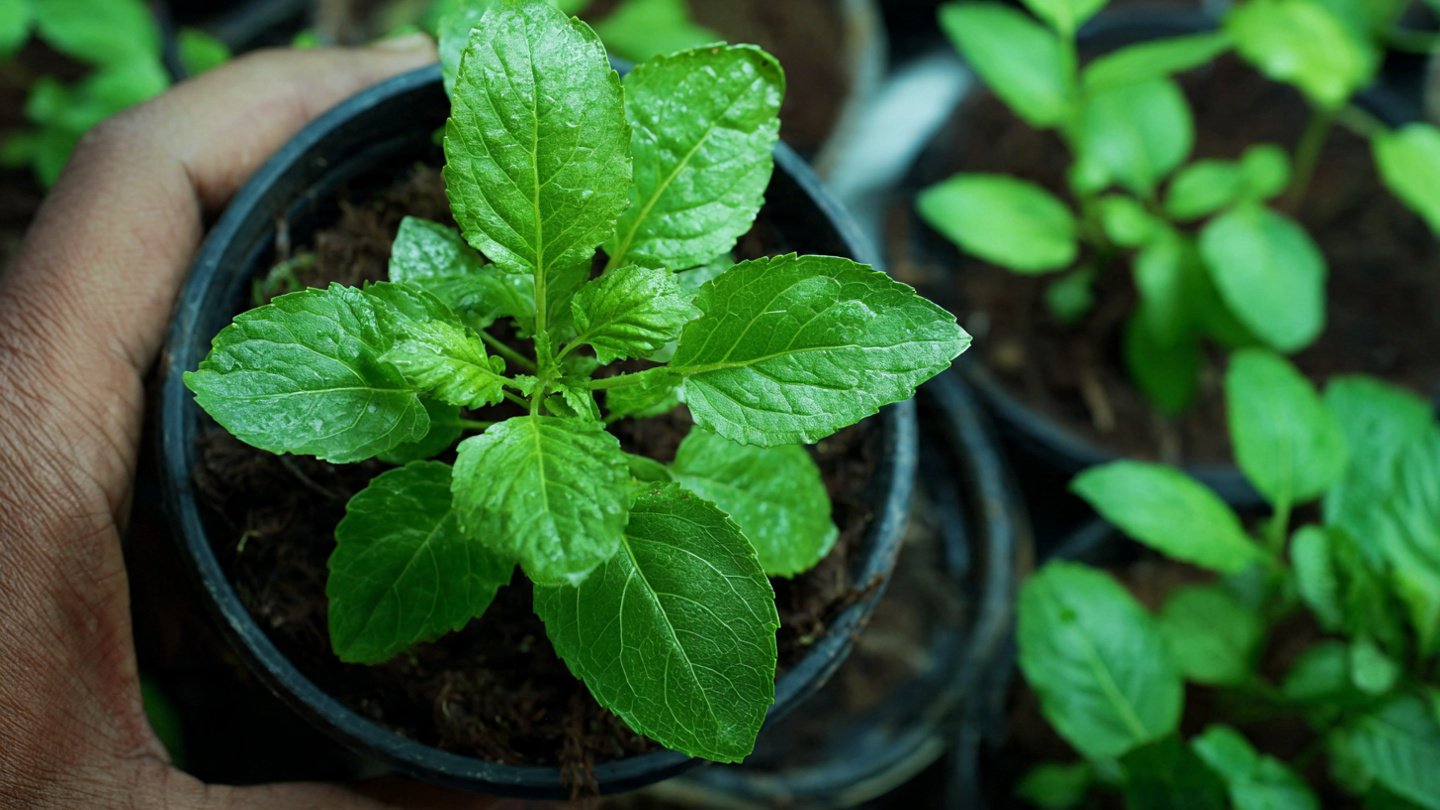
The Tulsi plant (Ocimum sanctum), also known as Holy Basil, is revered for its medicinal, spiritual, and culinary benefits. Beyond its cultural and therapeutic significance, a thick, leafy Tulsi plant is visually appealing and signifies robust health. Many Tulsi enthusiasts, however, struggle with sparse growth, leggy stems, or reduced leaf production. Achieving a naturally thick and leafy plant requires a combination of proper care, environmental optimization, and thoughtful pruning. This guide provides essential tips to help your Tulsi thrive, producing lush, aromatic foliage naturally.
Understanding Tulsi Growth
Tulsi is an annual or short-lived perennial herb native to India and Southeast Asia. It thrives in tropical and subtropical climates but can adapt to temperate regions when grown in pots or indoors. Its natural growth habit involves multiple branches with small, aromatic leaves. Factors such as sunlight, soil fertility, watering, and pruning determine whether the plant becomes bushy or remains sparse.
A thick, leafy Tulsi plant indicates strong root development, adequate nutrient supply, and consistent care. Understanding the plant’s biology helps in implementing strategies to maximize foliage density.
Choosing the Right Tulsi Variety
Different Tulsi varieties may respond differently to care techniques. Popular varieties include:
- Rama Tulsi – Known for large green leaves and strong aroma.
- Krishna Tulsi – Dark purple leaves with slightly stronger medicinal properties.
- Vana Tulsi – Wild variety, smaller leaves, and hardy growth.
Selecting the right variety for your climate and intended use is crucial. Rama and Krishna Tulsi varieties are ideal for thick, leafy growth due to their branching habits.
Selecting the Proper Soil
Soil quality plays a vital role in determining how leafy your Tulsi plant becomes. Tulsi prefers:
- Well-draining soil – Avoid waterlogging, as excessive moisture can damage roots.
- Loamy soil – A balanced mix of sand, silt, and organic matter promotes healthy growth.
- Slightly acidic to neutral pH – Optimal pH ranges from 6.0 to 7.5.
Adding organic compost or vermicompost enriches the soil with essential nutrients, promoting lush, leafy growth. Avoid chemical-heavy soils that may harm the plant’s natural growth rhythm.
Sunlight and Temperature
Tulsi requires abundant sunlight to develop dense foliage. Place your plant in a location that receives 6–8 hours of direct sunlight daily. Insufficient light results in elongated stems and sparse leaves, a condition called etiolation.
Temperature also affects leaf development. Tulsi grows best in warm climates between 70°F and 95°F (21°C–35°C). Cold temperatures slow growth and may cause leaf drop. In temperate regions, growing Tulsi in pots allows you to move the plant indoors during cooler months, ensuring consistent growth and bushy foliage.
Watering for Leaf Density
Watering plays a pivotal role in making Tulsi thick and leafy. The plant prefers moderate watering:
- Frequency: Water when the top inch of soil feels dry. Overwatering can cause root rot, while underwatering stresses the plant, leading to sparse growth.
- Method: Water at the base of the plant to avoid wetting the foliage, which can cause fungal problems.
- Consistency: Tulsi thrives with regular watering patterns, ensuring even soil moisture without waterlogging.
Proper hydration strengthens roots, supports multiple branching, and encourages leaf production.
Fertilization Naturally
To promote dense foliage, nutrient supply is crucial. Natural fertilization supports healthy growth without chemicals:
- Compost or Vermicompost: Mix into the soil monthly to provide a slow-release nutrient source.
- Cow Dung Manure: Rich in nitrogen, encourages vigorous leaf growth.
- Organic Liquid Fertilizers: Diluted coconut water, fish emulsion, or neem cake solution can stimulate foliage production.
Nitrogen is particularly important for leafy growth. Too little nitrogen results in small, yellowing leaves, while excessive nitrogen may produce leaves at the expense of root development. Balanced organic fertilization ensures healthy, bushy Tulsi plants naturally.
Pruning Techniques for Bushiness
Pruning is one of the most effective methods to make Tulsi thick and leafy. By cutting back certain stems, you encourage the plant to branch out, producing multiple stems and a fuller appearance.
- Pinching Tips: Regularly pinch off the growing tips of young stems. This signals the plant to develop lateral branches rather than grow taller.
- Removing Flower Buds: Tulsi tends to divert energy into flowering. Removing early flower buds redirects energy toward leaf production, enhancing thickness.
- Shaping: Trim the plant symmetrically to maintain even foliage density and prevent leggy growth.
Consistent pruning results in a compact, leafy plant that is aesthetically pleasing and healthier overall.
Spacing and Potting
If growing Tulsi in pots, spacing and pot size affect leaf density:
- Pot Size: Use a medium to large pot to allow root expansion. Restricted roots limit nutrient uptake and reduce foliage density.
- Spacing: When planting multiple Tulsi plants, leave at least 12–18 inches between them to ensure proper airflow and light exposure. Overcrowding can lead to sparse, weak growth.
Repotting every 6–12 months refreshes the soil and provides additional room for roots, encouraging thicker growth.
Companion Planting and Mulching
Tulsi benefits from companion planting and mulching techniques:
- Companion Plants: Planting alongside herbs like Mint, Coriander, or Lemon Balm can improve microclimate and pest resistance.
- Mulching: Organic mulch, such as dried leaves or straw, retains soil moisture and regulates temperature. This reduces plant stress and encourages healthy, leafy growth.
These methods enhance the overall growth environment, supporting dense foliage development naturally.
Pest and Disease Management
A thick, leafy Tulsi plant is more resilient to pests and diseases. Preventive care includes:
- Neem Oil Sprays: Effective against aphids, whiteflies, and spider mites.
- Regular Inspection: Check the undersides of leaves and stems for pests or fungal spots.
- Adequate Airflow: Ensure spacing and avoid overcrowding to reduce fungal infections.
Healthy plants with strong leaves are less prone to infestations, allowing the Tulsi to maintain its bushy appearance.
Seasonal Care Tips
Tulsi growth varies with seasons. Adjust care to maintain density:
- Spring and Summer: Maximize sunlight, maintain regular watering, and prune actively. Growth is fastest during this period.
- Autumn: Reduce watering slightly as growth slows. Continue pruning lightly to maintain shape.
- Winter: In cooler climates, bring potted Tulsi indoors, maintain warmth, and reduce watering frequency. Use natural fertilizers sparingly during dormancy.
Seasonal adjustments ensure continuous healthy growth and leaf production throughout the year.
Encouraging Propagation
Propagation supports bushiness and plant longevity. Tulsi can be propagated through:
- Stem Cuttings: Select a healthy branch, remove lower leaves, and place it in moist soil or water. Root development in 2–3 weeks produces new plants that can be added to the garden.
- Layering: Bend a stem gently to touch the soil while still attached to the parent plant. Roots will develop, allowing a new plant to grow from the same base.
Propagated plants not only expand your garden but also allow energy to be distributed efficiently, contributing to a fuller parent plant.
Final Thoughts
Making a Tulsi plant thick and leafy naturally requires a combination of proper environmental care, nutrient management, pruning, and attention to seasonal changes. By understanding the plant’s natural needs, selecting suitable soil, providing ample sunlight, and maintaining consistent care, you can cultivate a robust, dense, and healthy Tulsi plant.
A thick Tulsi plant is not only visually appealing but also produces more aromatic leaves for culinary and medicinal use. With natural fertilizers, careful pruning, and proper watering, your Tulsi can thrive year-round, offering both beauty and wellness benefits.
Incorporating these essential tips ensures that your Tulsi plant remains lush, bushy, and resilient, reflecting the vitality and richness of one of the most revered herbs in the world. By fostering a nurturing environment, gardeners can achieve the ultimate goal: a naturally thriving, thick, and leafy Tulsi plant that flourishes effortlessly.