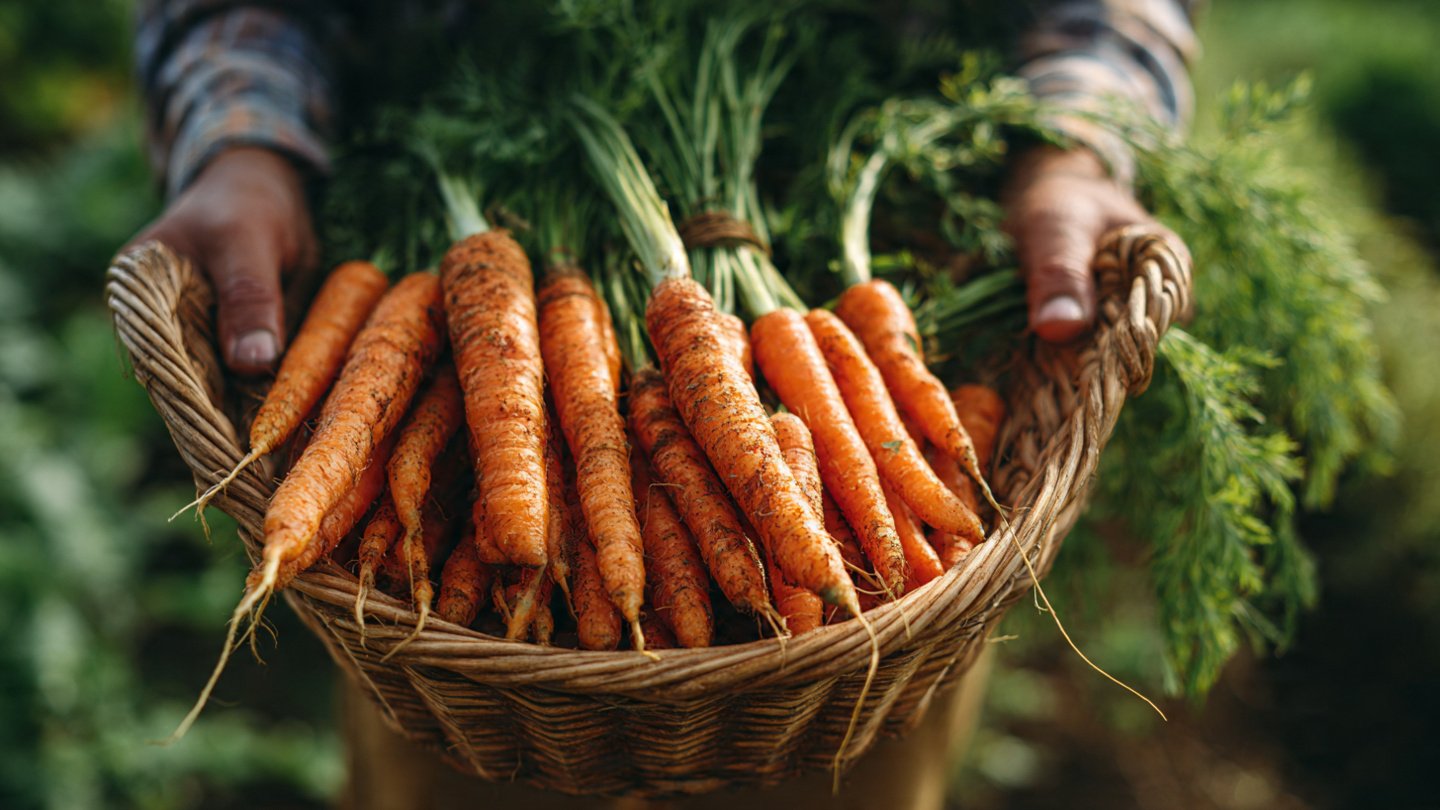
Carrots are one of the most popular root vegetables for home gardeners, prized for their crisp texture, natural sweetness, and rich nutritional profile. They are an excellent source of beta-carotene, vitamins, fiber, and antioxidants, supporting vision, immunity, and overall health. Growing carrots at home is not only rewarding but also allows you to enjoy fresh, pesticide-free produce directly from your garden or container. While carrots may seem simple to cultivate, they require specific soil, planting, and care techniques to achieve a crunchy, flavorful harvest. This article outlines easy, step-by-step instructions to grow carrots successfully at home and ensure a bountiful crop.
Choosing the Right Carrot Variety
Before planting, selecting the right carrot variety is crucial because different types have different growing requirements, flavors, and harvest times. Common types include:
- Imperator Carrots: Long, slender, and sweet; ideal for deep, loose soil.
- Danvers Carrots: Medium-length and tapered; adaptable to most soil types.
- Nantes Carrots: Cylindrical and tender; excellent for home gardens and containers.
- Chantenay Carrots: Short and stout; suited for shallow or clay soils.
- Mini or Baby Carrots: Small, quick-growing varieties perfect for limited spaces or containers.
Choose a variety based on your soil depth, growing space, and taste preference. Deep-rooted types like Imperator need loose soil, while shorter varieties adapt to heavier or compact soils.
Preparing the Soil
Carrots thrive in well-draining, loose, and nutrient-rich soil. Heavy clay or rocky soil can result in forked or stunted roots. Proper soil preparation is essential for healthy growth:
- Loosen the Soil: Remove rocks, sticks, and clumps. Dig to a depth of at least 12 inches for long varieties.
- Add Organic Matter: Mix compost, well-rotted manure, or organic fertilizer to improve fertility and texture. Avoid fresh manure, which can cause deformities or disease.
- pH Level: Carrots prefer slightly acidic to neutral soil, with a pH of 6.0–6.8. Test soil and adjust with lime if necessary.
- Level the Soil: Smooth the bed and remove lumps to create uniform soil, which encourages straight roots.
Well-prepared soil prevents obstacles to root growth and promotes even, smooth carrots.
Planting Carrots
Carrots are best grown from seeds, which germinate slowly but reliably. Follow these planting steps for optimal growth:
- Timing: Sow carrot seeds in early spring or late summer, depending on your climate. They prefer cool soil (50–75°F).
- Spacing: Sow seeds thinly in rows 12–18 inches apart. Cover lightly with ¼ inch of soil.
- Watering: Keep soil consistently moist during germination. Carrot seeds can take 10–21 days to sprout.
- Thinning: Once seedlings reach 2–3 inches, thin to 1–2 inches apart to reduce crowding. Crowded plants produce smaller or misshapen roots.
Carrots benefit from consistent soil moisture and gentle care during early growth stages.
Watering and Fertilization
Consistent watering is crucial for juicy, tender carrots. Uneven moisture can lead to split or woody roots.
- Watering: Provide 1 inch of water per week, adjusting for rainfall. Deep watering encourages long root growth.
- Fertilization: Avoid excessive nitrogen, which promotes leafy tops at the expense of root development. Use a balanced fertilizer with phosphorus and potassium to support strong root formation.
- Mulching: Apply a thin layer of organic mulch to retain moisture, regulate temperature, and suppress weeds.
Proper watering and nutrition help develop sweet, uniform carrots while preventing growth problems.
Sunlight and Temperature
Carrots grow best in full sun but can tolerate partial shade. They prefer cooler temperatures, typically between 55–75°F.
- Spring Planting: Provide at least 6 hours of sunlight per day.
- Summer Heat: In hot climates, partial shading prevents stress and reduces bitterness.
- Fall or Winter: Carrots tolerate light frost, which can enhance sweetness.
Sunlight and temperature management are critical for flavor, color, and overall health of the crop.
Managing Weeds and Pests
Carrots can be vulnerable to weeds and pests, especially during early growth.
- Weeding: Remove weeds regularly to prevent competition for nutrients and water. Be careful not to disturb carrot roots. Hand-pulling or shallow cultivation is ideal.
- Pests: Common pests include carrot flies, aphids, and root-knot nematodes. Use row covers to prevent carrot fly infestation and encourage beneficial insects like ladybugs for aphid control.
- Companion Planting: Plant carrots alongside onions, leeks, or rosemary to deter pests naturally. Avoid planting near dill or parsnips, which attract carrot fly.
Effective pest and weed management ensures uninterrupted root growth and healthy harvests.
Thinning Seedlings
Thinning is a critical step that is often overlooked. Crowded carrots produce small, misshapen roots and reduce airflow, increasing disease risk.
- Technique: Once seedlings are 2–3 inches tall, thin to 1–2 inches apart for baby carrots or 2–3 inches apart for larger varieties.
- Harvesting Thinned Seedlings: You can eat the thinned seedlings in salads or as microgreens, preventing waste.
Thinning maximizes root size, quality, and overall yield.
Harvesting Carrots
Carrots are ready to harvest when they reach the desired size for your variety. Key signs include:
- Top Size: The carrot shoulder should be visible above the soil, indicating full maturity.
- Color: Deep, vibrant color signals peak sweetness and nutrient content.
- Texture: Tender roots indicate readiness; avoid leaving carrots too long, which can make them woody.
- Technique: Gently loosen the soil with a garden fork before pulling roots to avoid breakage.
- Storage: Trim tops and store carrots in a cool, dark place or refrigerate in a sealed container with moist sand for long-term freshness.
Regular harvesting encourages continuous growth in some varieties and ensures maximum flavor.
Success Tips for Homegrown Carrots
- Succession Planting: Sow seeds every 2–3 weeks for a continuous harvest.
- Soil Maintenance: Rotate crops each season to prevent disease and maintain fertility.
- Mulch Regularly: Keep roots cool and moisture consistent, reducing cracking and bitterness.
- Monitor Growth: Check for pests, diseases, or irregular growth patterns, addressing problems early.
- Experiment with Varieties: Try different types for flavor, size, and harvest timing.
Following these tips ensures a reliable, crunchy, and nutritious carrot harvest year after year.
Benefits of Growing Carrots at Home
Growing carrots at home offers multiple advantages beyond flavor:
- Nutrition: Homegrown carrots are fresher and richer in nutrients than store-bought alternatives.
- Flavor: Carrots pulled straight from the soil have superior sweetness and texture.
- Cost-Effective: Growing your own reduces grocery expenses over time.
- Sustainable Gardening: Home cultivation reduces packaging waste and supports organic practices.
- Educational and Therapeutic: Gardening is a rewarding activity that teaches patience and connects you to nature.
The joy of harvesting crunchy, sweet carrots from your own garden is unmatched.
Conclusion
Growing carrots at home is a fulfilling and relatively simple process when approached with the right techniques. Selecting the appropriate variety, preparing loose and nutrient-rich soil, maintaining consistent moisture, and providing adequate sunlight all contribute to successful growth. Thinning seedlings, managing weeds and pests, and timely harvesting ensure your carrots develop straight, flavorful roots.
By following these easy steps, home gardeners can enjoy a nutritious, pesticide-free, and delicious harvest. Whether planting in garden beds, raised beds, or containers, carrots reward consistent care and attention with crisp, sweet roots that are perfect for salads, cooking, or snacking.
With patience, proper preparation, and attention to detail, you can cultivate carrots at home that are superior in flavor, texture, and nutrition—proving that even simple root vegetables benefit greatly from thoughtful gardening practices.
Growing carrots at home is not just about planting seeds—it’s about cultivating health, flavor, and satisfaction in every crunchy bite.