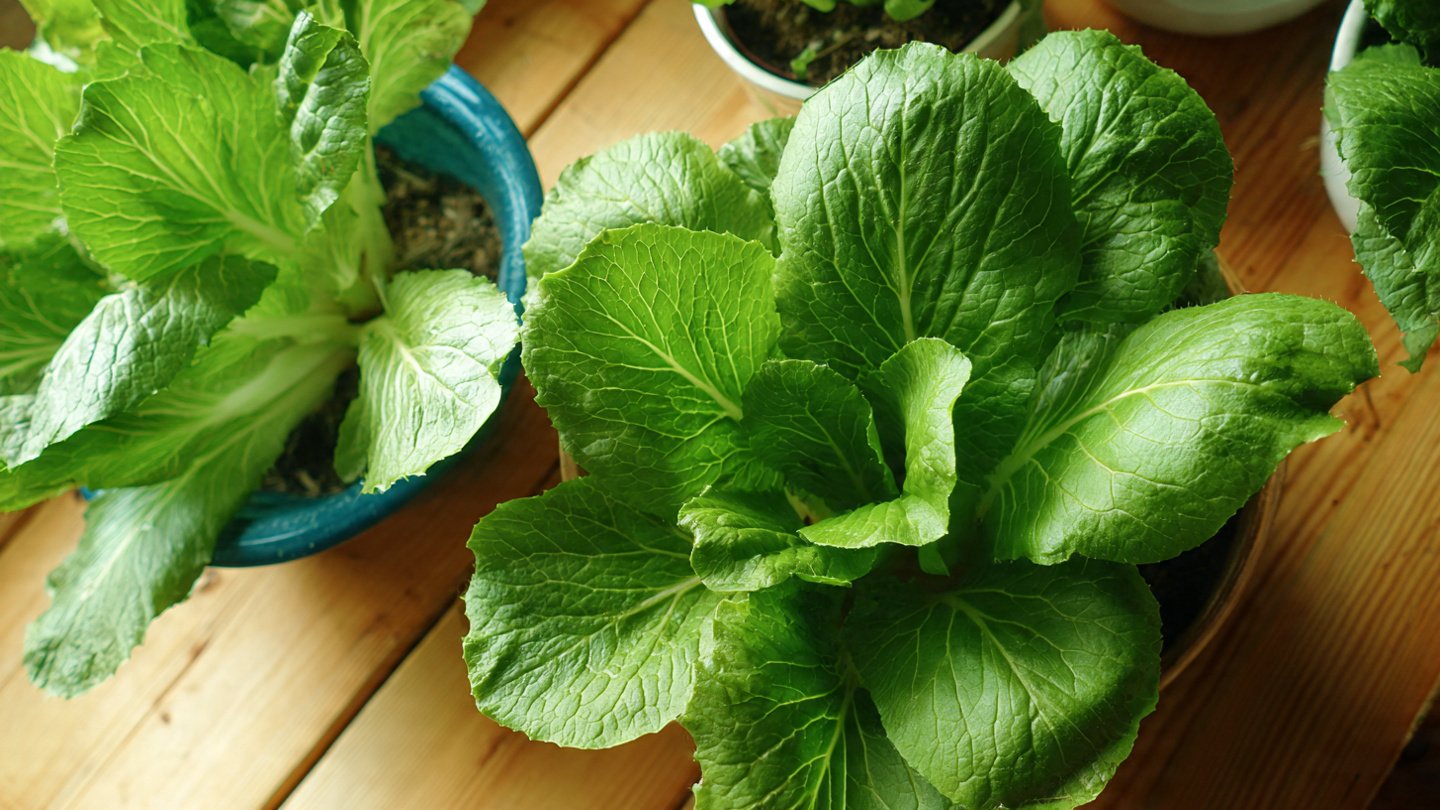
Asian greens are a diverse group of leafy vegetables that include bok choy, mizuna, tatsoi, choy sum, and kai lan, among others. Known for their crisp texture, vibrant color, and nutrient-rich profile, they are staples in many Asian cuisines and increasingly popular in home gardens. Growing Asian greens indoors is a practical solution for gardeners who lack outdoor space, face harsh weather, or want year-round fresh harvests. With the right approach, you can enjoy tender, flavorful leaves right from your windowsill or indoor grow setup. This guide will walk you through everything you need to know to grow Asian greens indoors successfully.
Why Grow Asian Greens Indoors?
Indoor cultivation offers several benefits for home gardeners:
- Year-Round Harvest: Growing indoors allows you to avoid seasonal limitations and enjoy fresh greens regardless of winter or extreme weather.
- Space Efficiency: Asian greens are compact and fast-growing, making them perfect for small apartments or limited spaces.
- Control Over Conditions: Indoor gardening lets you manage light, temperature, and humidity, reducing pest problems and ensuring optimal growth.
- Freshness and Nutrition: Harvesting directly from your indoor garden ensures maximum flavor and nutrients.
Whether you want to add fresh greens to stir-fries, soups, or salads, indoor gardening provides convenience and sustainability.
Choosing the Right Asian Greens
Not all Asian greens are equally suitable for indoor growth. Some varieties are better adapted to container gardening and limited light conditions:
- Bok Choy: A popular choice for its crisp stems and tender leaves. Small varieties like “Baby Bok Choy” work best indoors.
- Mizuna: Fast-growing, delicate leaves with a mild peppery flavor.
- Tatsoi: Forms a small rosette, ideal for containers.
- Choy Sum: Produces tender leaves and flower stalks.
- Kai Lan (Chinese Broccoli): Slightly larger and may need taller containers.
Choose varieties labeled “compact,” “baby,” or “fast-growing” for easier indoor cultivation.
Step 1: Selecting Containers
The choice of container affects root development and overall plant health. Here’s what to consider:
- Size: Shallow containers 6–8 inches deep work for most leafy greens. For larger varieties like kai lan, use 10–12 inch-deep pots.
- Material: Plastic, ceramic, or terracotta pots are suitable. Terracotta provides breathability, while plastic retains moisture longer.
- Drainage: Ensure containers have adequate drainage holes to prevent waterlogging and root rot.
You can also use seed trays, hydroponic trays, or vertical planters for space-saving indoor setups.
Step 2: Choosing the Growing Medium
Asian greens prefer loose, nutrient-rich soil that drains well yet retains moisture. A good indoor potting mix should contain:
- Peat moss or coco coir: Retains moisture and provides a soft base for roots.
- Perlite or vermiculite: Improves aeration and prevents compaction.
- Compost or organic fertilizer: Supplies essential nutrients for rapid leaf growth.
Avoid heavy garden soil that may compact in containers, restricting root growth.
Step 3: Sowing Seeds
Indoor Asian greens grow quickly from seeds. Follow these steps for successful germination:
- Prepare the Container: Fill pots or trays with a moist, well-draining potting mix. Smooth the surface.
- Sow the Seeds: Scatter seeds evenly across the surface or plant ¼ to ½ inch deep, depending on seed size. Bok choy and mizuna seeds are very small, so light coverage is sufficient.
- Water Gently: Use a spray bottle to moisten the soil without disturbing seeds.
- Provide Warmth: Keep soil temperatures between 65–75°F for optimal germination. Covering the container with a clear plastic dome or plastic wrap can help retain humidity.
- Germination Time: Seeds usually sprout within 5–14 days. Thin seedlings once they develop 2–3 sets of true leaves, leaving 2–4 inches between plants.
Step 4: Providing Adequate Light
Light is the most important factor for indoor Asian greens. Insufficient light leads to leggy plants with weak stems and poor flavor.
- Natural Light: Place containers near a south- or west-facing window to provide 6–8 hours of indirect sunlight.
- Artificial Light: If natural light is limited, use full-spectrum LED or fluorescent grow lights 12–14 hours per day. Position lights 6–12 inches above plants for even coverage.
- Rotation: Rotate containers every few days to ensure uniform growth and prevent plants from leaning toward the light.
Step 5: Watering and Humidity
Asian greens prefer consistently moist soil but do not tolerate waterlogging. Here’s how to manage watering:
- Check Soil Moisture: Stick your finger 1 inch into the soil. If it feels dry, water gently until it drains from the bottom.
- Avoid Overwatering: Too much water can lead to root rot and fungal problems.
- Maintain Humidity: Indoor environments can be dry, especially in winter. Increase humidity by misting plants, using a humidity tray, or placing a small humidifier nearby.
Step 6: Fertilizing Indoors
Because Asian greens grow quickly, they benefit from regular feeding:
- Type of Fertilizer: Use a balanced, water-soluble fertilizer, such as 10-10-10 or a liquid organic fertilizer.
- Frequency: Feed seedlings every 1–2 weeks at half the recommended strength to avoid fertilizer burn.
- Mature Plants: Once plants are established, continue fertilization every 2–3 weeks to support continuous leaf production.
Step 7: Harvesting Asian Greens
Indoor Asian greens are fast-growing and can be harvested multiple times throughout the growing season.
- Baby Leaf Harvest: Pick outer leaves when they reach 3–4 inches for tender baby greens.
- Cut-and-Come-Again: For full-sized plants, cut stems about 1–2 inches above the soil, leaving the growing point intact. New leaves will emerge within 1–2 weeks.
- Timing: Continuous harvesting encourages vigorous regrowth and prevents plants from becoming woody or flowering too soon.
Step 8: Controlling Pests and Diseases
Indoor plants are generally less prone to pests than outdoor crops, but infestations can occur:
- Common Pests: Aphids, spider mites, and whiteflies can attack Asian greens.
- Preventive Measures: Maintain good air circulation, avoid overwatering, and remove dead leaves promptly.
- Treatment: Use insecticidal soap, neem oil, or natural predators like ladybugs for pest control.
- Disease Management: Prevent fungal diseases by ensuring proper drainage, avoiding overhead watering, and spacing plants to allow airflow.
Step 9: Extending Growth Year-Round
Indoor gardening allows you to grow Asian greens continuously:
- Succession Planting: Sow new seeds every 2–3 weeks to maintain a steady harvest.
- Rotate Crops: Alternate varieties to enjoy a mix of flavors and textures.
- Climate Control: Maintain stable indoor temperatures and light conditions to encourage continuous growth.
Tips for Success
- Use Deep Containers for Root Growth: Some varieties like choy sum and kai lan develop longer roots.
- Monitor Nutrients: Rapid growth can deplete soil nutrients; replenish with organic fertilizers or compost tea.
- Prune Flowering Stalks: If plants begin to flower, pinch the flower stalks to redirect energy to leaves.
- Clean Leaves: Dust and debris can reduce photosynthesis; wipe leaves occasionally with a damp cloth.
- Experiment with Hydroponics: Asian greens thrive in indoor hydroponic systems for faster growth and higher yields.
Conclusion
Growing Asian greens indoors is an easy, rewarding, and highly practical way to enjoy fresh vegetables year-round. By selecting compact varieties, providing adequate light, using well-draining soil, and maintaining consistent water and nutrients, even beginner gardeners can achieve a steady supply of tender, flavorful leaves. With cut-and-come-again harvesting techniques, succession planting, and careful pest management, indoor Asian greens can thrive continuously, offering vibrant colors, exceptional nutrition, and superior taste right at home.
Indoor gardening allows for experimentation, creativity, and customization, making it possible to enjoy a variety of Asian greens regardless of space or season. By following this simple step-by-step guide, home gardeners can transform their windowsills, countertops, or small indoor grow areas into lush, productive spaces, providing a fresh harvest whenever it’s needed.
Whether you are preparing stir-fries, soups, salads, or simple steamed greens, nothing compares to the flavor and freshness of leaves harvested directly from your indoor garden. With patience, care, and attention to light, water, and nutrients, growing Asian greens indoors can be an enjoyable and sustainable gardening practice that yields fresh, nutritious, and delicious results for your family.