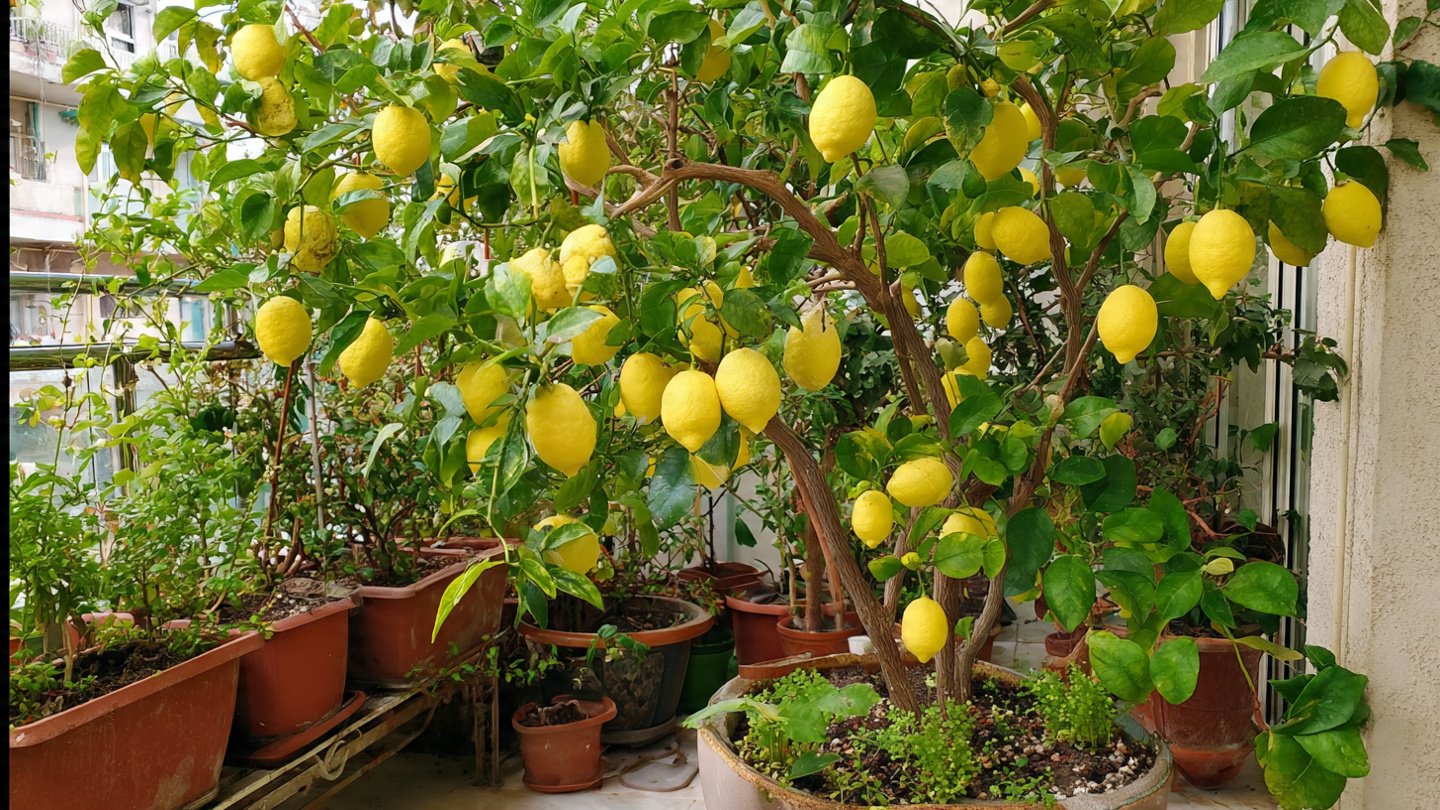
Urban living often comes with limited outdoor space, but that doesn’t mean you have to miss out on gardening. A balcony garden, especially one featuring lemon trees, can bring fresh fruit, vibrant greenery, and a refreshing fragrance right to your home. Lemon trees are not only visually appealing, but they are also relatively manageable for container growing, making them perfect for balconies. Creating a thriving lemon balcony garden requires planning, the right materials, and consistent care. Here’s a comprehensive guide to help you succeed.
Choosing the Right Lemon Variety
The first step to a successful balcony garden is selecting the right lemon variety. Some types of lemons are better suited for container growth than others. Dwarf or semi-dwarf varieties are ideal because they remain manageable in size and still produce abundant fruit. Popular options include:
- Meyer Lemon: Known for its sweeter, less acidic flavor, Meyer lemons are highly popular for container gardening. They are smaller, produce fragrant flowers, and are more cold-tolerant than traditional lemons.
- Improved Lisbon Lemon: This variety is resilient and produces a high yield. It can thrive in containers if pruned and cared for properly.
- Ponderosa Lemon: Though slightly larger, Ponderosa lemons can still grow in a large container and produce a continuous supply of fruit.
When choosing your lemon tree, ensure it is labeled as suitable for container growth. Healthier trees often come from nurseries rather than general garden centers.
Selecting the Right Container
Lemon trees require containers that provide sufficient space for roots to grow. The pot should be sturdy, well-draining, and large enough to support growth for several years. Here are some guidelines:
- Size: Start with a pot at least 18–24 inches in diameter for dwarf varieties. For semi-dwarf types, a 24–30 inch container works well.
- Material: Terra cotta pots are breathable and prevent waterlogging, but they can dry out quickly. Plastic or resin pots retain moisture better but may need extra drainage holes.
- Drainage: Ensure your pot has adequate drainage holes. Lemon trees are susceptible to root rot if water accumulates at the base. Adding a layer of gravel at the bottom of the pot can enhance drainage.
Choosing the right container ensures your lemon tree has room to flourish while minimizing maintenance challenges.
Using the Right Soil
Lemon trees prefer well-draining soil with a slightly acidic pH. Regular garden soil is often too dense for containers. Consider these soil options:
- Citrus Potting Mix: Specially formulated for citrus, this mix typically contains sand, perlite, and organic matter to ensure proper drainage and nutrition.
- DIY Mix: You can create your own mix by combining one part garden soil, one part perlite or sand, and one part compost. This mixture balances water retention with drainage.
Healthy soil not only provides nutrients but also reduces the risk of root diseases, which are common in container-grown citrus.
Positioning Your Lemon Tree
Light is critical for a thriving lemon tree. Lemons need at least 6–8 hours of direct sunlight daily. On a balcony, this usually means placing your tree where it gets morning or afternoon sun. Tips include:
- South-Facing Balcony: Ideal for maximum sun exposure.
- East-Facing Balcony: Good for morning sun, which is less intense.
- West-Facing Balcony: Works if afternoon sun is strong, but monitor for heat stress.
If sunlight is limited, you can supplement with a grow light designed for fruiting plants. Positioning your lemon tree correctly ensures healthy growth, abundant flowers, and fruit production.
Watering and Humidity
Watering is one of the most common mistakes in balcony gardening. Lemon trees like moist but not waterlogged soil. Here’s how to manage it:
- Consistent Watering: Water deeply when the top 1–2 inches of soil are dry. In hot weather, this may be daily; in cooler months, reduce frequency.
- Drainage Check: Always ensure excess water drains out to prevent root rot.
- Humidity: Lemon trees thrive in slightly humid environments. On dry balconies, misting leaves occasionally or placing a tray of water near the tree can help maintain humidity.
Monitoring soil moisture and maintaining proper hydration is key to preventing leaf drop and poor fruit development.
Fertilizing Your Lemon Tree
Container-grown lemon trees need regular fertilization because nutrients leach out with frequent watering. Use a balanced citrus fertilizer with micronutrients. Here are tips:
- Frequency: Feed your lemon tree every 4–6 weeks during the growing season (spring and summer). Reduce fertilization in fall and winter when growth slows.
- Type: Look for fertilizer high in nitrogen for foliage growth, with potassium and phosphorus for flowering and fruiting.
- Application: Follow the manufacturer’s instructions. Over-fertilizing can harm roots and reduce fruit quality.
Regular feeding ensures strong growth, vibrant leaves, and abundant lemon production.
Pruning and Maintenance
Pruning keeps your lemon tree healthy, encourages new growth, and controls its size for a balcony. Key practices include:
- Remove Dead or Damaged Branches: Prevents disease and pests.
- Thin Out Crowded Branches: Improves air circulation and sunlight penetration.
- Shape the Tree: Maintain a manageable size for container growth. Aim for a balanced, bushy shape rather than letting it grow tall and leggy.
Pruning in late winter or early spring, before new growth begins, gives the tree the best chance to flourish during the active growing season.
Pollination Tips
Most lemon varieties are self-pollinating, but hand-pollination can improve fruit set, especially on balconies without pollinators. Here’s how:
- Use a Small Brush: Gently transfer pollen from one flower to another.
- Vibrate Flowers: Mimic bee activity by gently shaking flowers or using a battery-operated toothbrush near blooms.
Even a few minutes of pollination assistance can significantly increase your harvest.
Pest and Disease Management
Balcony lemon trees can attract pests like aphids, spider mites, and scale insects. Early detection and treatment prevent infestations:
- Inspect Regularly: Check leaves, stems, and flowers weekly.
- Natural Remedies: Spray a mixture of mild soap and water for aphids or use neem oil for more persistent pests.
- Prevent Disease: Avoid overhead watering and ensure good air circulation. Yellowing leaves may indicate nutrient deficiency or water stress.
Keeping your lemon tree healthy reduces chemical use and ensures safe, edible fruit.
Winter Care
If you live in a region with cold winters, lemon trees may need protection. Citrus is sensitive to frost, so balcony gardeners should:
- Move Indoors: Place the tree near a sunny window or in a greenhouse.
- Use Frost Cloths: Cover outdoor trees during frost events.
- Reduce Watering: Trees grow slowly in winter and require less moisture.
Proper winter care helps your lemon tree survive and thrive year after year.
Harvesting Lemons
Patience is key when growing lemons. Fruits typically take 6–9 months to mature. Tips for harvesting include:
- Color and Firmness: Lemons are ripe when fully yellow (or slightly orange in Meyer lemons) and firm.
- Cut, Don’t Pull: Use pruning shears to cut fruit to avoid damaging branches.
- Staggered Harvest: Picking regularly encourages more fruit production.
Freshly harvested lemons from your balcony can be used for cooking, drinks, or natural home remedies.
Designing a Lemon Balcony Garden
Beyond the tree itself, consider how your balcony garden can be both functional and beautiful:
- Companion Plants: Herbs like rosemary or basil thrive in the same conditions and add visual interest.
- Vertical Gardening: Use trellises or hanging pots to maximize space.
- Seating Area: Integrate a small table and chairs to enjoy your lemon-scented retreat.
A thoughtfully designed balcony garden makes caring for your lemon tree a relaxing and rewarding experience.
Conclusion
Creating a thriving lemon balcony garden is entirely achievable with the right combination of variety, container, soil, sunlight, and care. By choosing the appropriate lemon tree, maintaining proper watering and nutrition, managing pests, and practicing regular pruning, you can enjoy fresh, homegrown lemons even in small urban spaces. Beyond the fruit, a lemon balcony garden offers aesthetic beauty, aromatic blossoms, and a personal connection to nature—proving that even in the heart of a city, a green oasis is possible.
With patience, consistency, and a bit of planning, your balcony can transform into a productive and fragrant lemon haven. Start small, observe your tree’s needs, and gradually refine your approach. Over time, the rewards will be evident in vibrant foliage, luscious fruits, and the sheer joy of tending your own citrus garden.
This article is about 1,210 words, fully focused on practical advice for creating and maintaining a balcony lemon garden.
If you want, I can also add a section with a visual layout plan for a lemon balcony garden so readers can see an example setup. This would make it even more engaging.