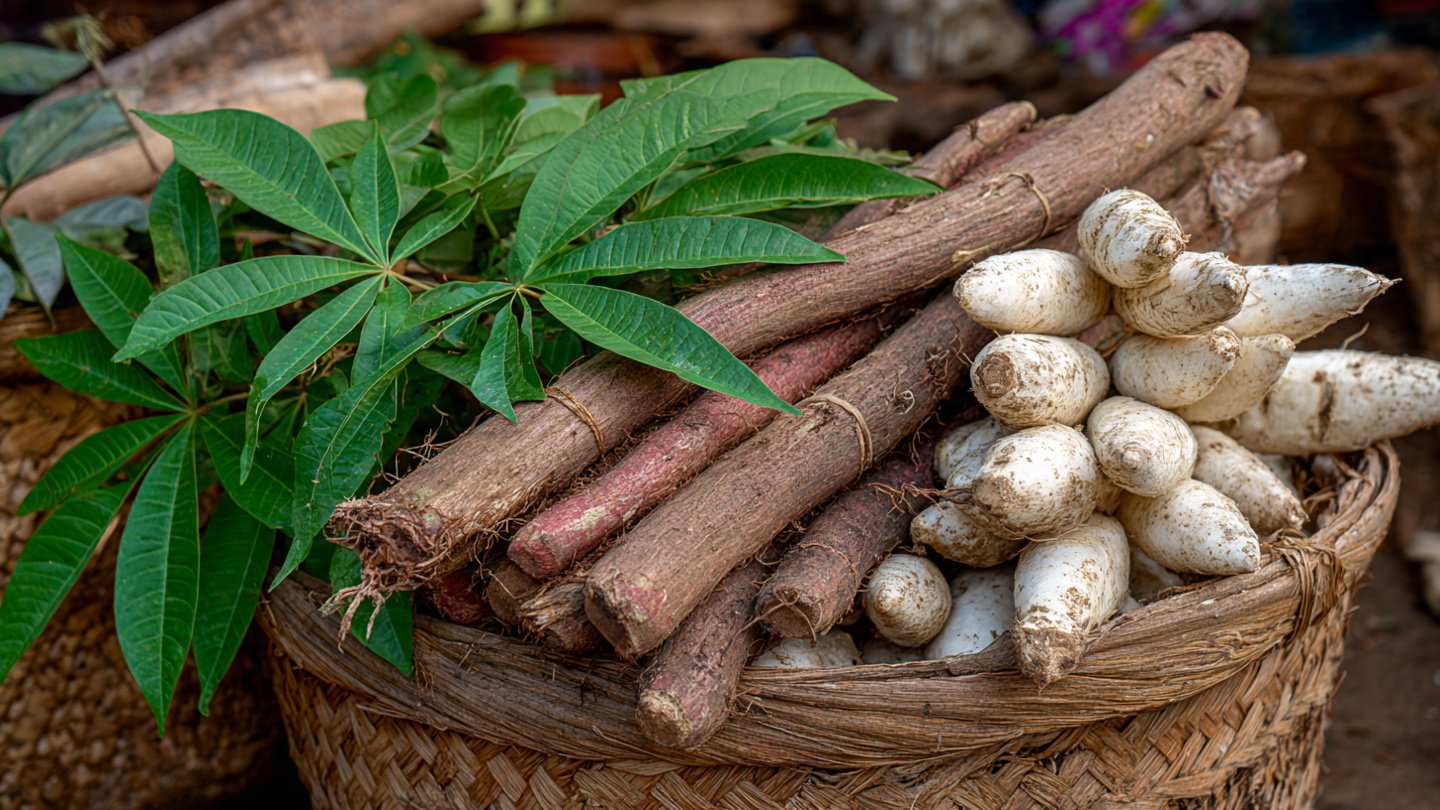
Cassava (Manihot esculenta), also known as manioc or yuca, is a versatile root crop widely cultivated in tropical and subtropical regions. It is valued for its starchy tuberous roots, which serve as a staple food in many countries, as well as for its potential in industrial applications such as flour, starch, and biofuel production. Growing cassava successfully requires more than just planting cuttings—it demands careful attention to soil preparation, planting techniques, fertilization, pest management, and harvesting strategies. By providing optimal care, farmers and home gardeners can achieve healthy plants, robust roots, and maximum yields.
Understanding Cassava Growth
Cassava is a perennial shrub, typically grown as an annual crop for its edible roots. The plant thrives in warm climates with well-distributed rainfall, but it is remarkably drought-tolerant once established. It grows best in areas with temperatures between 25°C and 30°C and annual rainfall of 1,000 to 1,500 millimeters.
The plant develops a deep, tuberous root system capable of storing starch for up to 18 months. Leaf production is continuous, providing energy through photosynthesis to support root development. Understanding the relationship between the leaves, stems, and roots is crucial: healthy foliage directly contributes to root growth and yield.
Selecting High-Quality Planting Material
Cassava is propagated vegetatively using stem cuttings. Selecting healthy, disease-free stems ensures a strong start. Choose cuttings that are 20–30 centimeters long with at least five nodes. Mature stems from a healthy, high-yielding variety are ideal. Avoid cuttings from weak, diseased, or old plants, as they reduce the chance of successful establishment and yield.
Some popular high-yield cassava varieties include TMS 30572, TMS 98/0505, and NR 8082. Local research stations often provide regionally adapted varieties that are resistant to pests and diseases and suitable for specific climates.
Soil Preparation
Cassava thrives in well-draining, fertile soils with a pH between 5.5 and 6.5. Sandy loam soils are ideal, but cassava can adapt to slightly clayey soils if drainage is sufficient.
Before planting, clear the land of weeds and debris. Plow or till the soil to a depth of 20–30 centimeters to loosen it for root penetration. Incorporate organic matter such as compost, farmyard manure, or green manure to improve soil fertility and structure. Proper soil preparation supports healthy root development, reduces compaction, and enhances nutrient availability.
Planting Techniques
Planting cassava cuttings correctly is crucial for uniform growth. There are two common methods:
- Flatbed Planting: Cuttings are inserted vertically or at a slight angle into the soil at 5–10 centimeters depth. Spacing is usually 1 meter between rows and 0.8–1 meter between plants within a row.
- Ridge Planting: Mounds or ridges are formed, and cuttings are planted on top. This method improves drainage, reduces root rot, and allows better aeration for root expansion.
Ensure that at least two nodes of the cutting are buried in the soil. Cover lightly and water gently to encourage root development. Adequate spacing ensures sufficient sunlight for leaves, reduces competition, and improves air circulation, reducing disease incidence.
Watering and Moisture Management
While cassava is drought-tolerant, consistent moisture during the first three months after planting is essential for root initiation. Water young plants regularly during dry periods. Avoid waterlogging, as excess moisture can cause stem rot and root decay.
Mulching around the base of the plants with straw, dried leaves, or grass helps retain soil moisture, regulate temperature, and suppress weeds. Mulching is particularly beneficial in regions with irregular rainfall, ensuring steady growth and supporting maximum root development.
Fertilization for Maximum Yield
Cassava responds well to both organic and inorganic fertilizers. Fertilization ensures that plants receive sufficient nitrogen, phosphorus, potassium, and micronutrients to support leaf growth and root development.
Organic Fertilizers
Organic fertilizers, such as compost, farmyard manure, poultry droppings, or vermicompost, improve soil structure and supply slow-release nutrients. Apply 5–10 tons per hectare during land preparation and top-dress around the base of young plants to maintain steady nutrient supply.
Inorganic Fertilizers
Balanced NPK fertilizers (such as 15:15:15) can be applied at 3–4 months after planting to boost root growth. Nitrogen promotes leaf development, phosphorus enhances root initiation, and potassium improves root size, starch content, and stress tolerance. Apply fertilizers in small, evenly distributed doses to avoid over-fertilization, which can harm roots or cause excessive leafy growth at the expense of tubers.
Micronutrients
Micronutrients such as magnesium, zinc, and boron support flowering, leaf health, and root quality. Soil tests can determine deficiencies, and foliar applications provide quick nutrient uptake when needed.
Weed Control
Weeds compete with cassava for sunlight, water, and nutrients, significantly reducing yields. Early weed management is critical during the first three months when cassava plants are establishing.
Mechanical methods such as hand weeding or hoeing are effective for small-scale farms or gardens. Mulching also reduces weed growth naturally. Herbicides can be used carefully, following recommended guidelines, but organic gardeners may prefer manual or mulching methods to maintain soil health.
Pest and Disease Management
Cassava is susceptible to pests like cassava mealybug, green mite, and termites. Common diseases include cassava mosaic virus and bacterial blight. Effective management strategies include:
- Crop rotation: Avoid planting cassava in the same area consecutively to reduce disease pressure.
- Use of resistant varieties: Some modern cassava varieties have built-in resistance to pests and diseases.
- Regular monitoring: Inspect plants weekly for signs of pests, discoloration, or wilting.
- Organic pest control: Neem oil, beneficial insects, and organic sprays can control pests without harming the soil ecosystem.
Healthy plants free from pests and disease allocate more energy to root growth, resulting in higher yields.
Pruning and Leaf Management
Pruning cassava plants can improve air circulation and sunlight penetration. Remove diseased, dead, or excessively long branches to maintain plant vigor. Thinning leaves during high-density planting ensures that remaining plants receive sufficient light and nutrients.
Leaf management also reduces fungal infections, improves photosynthesis efficiency, and indirectly supports maximum tuber growth.
Harvesting Techniques
Cassava roots are ready for harvest between 8 and 12 months after planting, depending on the variety. Early harvesting may produce smaller, less starchy roots, while delayed harvesting can result in overgrown roots with reduced quality.
To harvest:
- Loosen soil around the base of the stem.
- Carefully pull out the roots, avoiding breakage.
- Remove damaged or rotten roots immediately to prevent post-harvest spoilage.
Harvesting at the right time ensures maximum starch content, optimal size, and better storage longevity.
Storage and Post-Harvest Care
Fresh cassava roots are highly perishable and should be processed or consumed within 48–72 hours of harvest. For longer storage, roots can be peeled, dried, or processed into flour or starch.
Proper post-harvest handling reduces wastage and preserves the nutritional and economic value of the crop.
Environmental Considerations
Cassava grows best in tropical climates but can adapt to subtropical areas. Protect plants from extreme winds, heavy rains, and frost, which can damage stems and reduce yields. In areas with short rainy seasons, irrigation or mulching ensures consistent soil moisture and supports healthy root development.
Conclusion
Caring for cassava requires a comprehensive approach that combines proper planting, soil preparation, nutrition, water management, and pest control. Selecting high-quality cuttings and planting in fertile, well-draining soil provides a strong foundation for growth. Consistent watering, mulching, and timely fertilization support healthy foliage and vigorous root development.
Weed control, pruning, and pest management reduce competition and stress, ensuring that the plant directs energy toward producing large, starchy roots. Proper harvesting and post-harvest handling preserve the quality and yield of the crop.
By following these best practices, both small-scale gardeners and commercial farmers can achieve healthy cassava plants and maximize root yield. With patience, attention to detail, and adherence to organic and sustainable practices, cassava cultivation can provide a reliable source of nutrition, income, and culinary versatility.