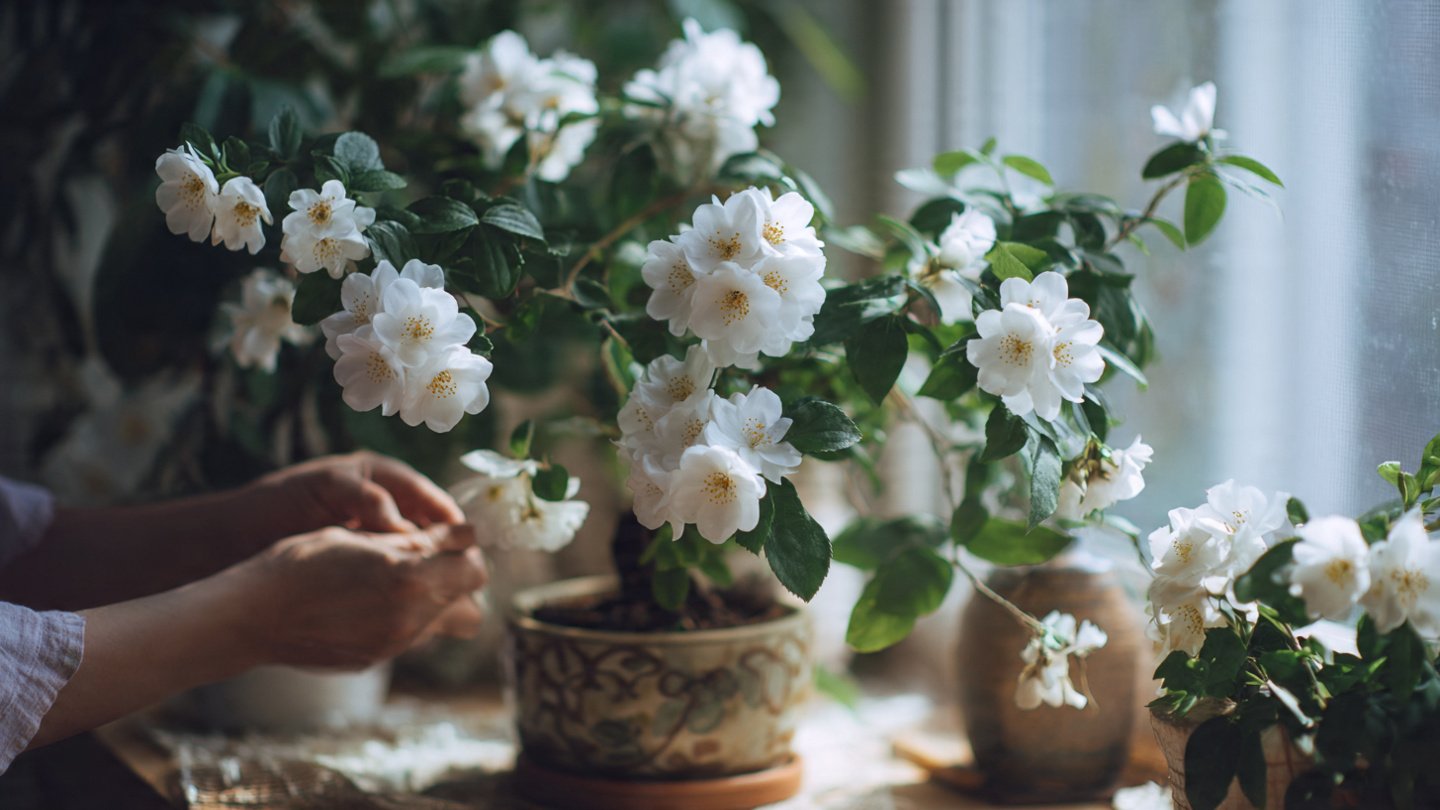
Jasmine is beloved for its fragrant flowers and elegant, climbing growth habit. For gardeners who want to propagate jasmine effectively, air layering offers a reliable and rewarding method. Unlike simple cuttings, air layering allows you to produce a new plant while it is still attached to the parent, ensuring a higher success rate and vigorous growth. This comprehensive guide will walk you through everything you need to know to achieve jasmine air layering success at home.
Understanding Air Layering
Air layering is a propagation technique in which a branch is induced to form roots while still attached to the mother plant. Once roots develop, the branch can be cut and planted as an independent plant. This method is particularly effective for woody plants like jasmine, which can be difficult to root from traditional cuttings.
The advantages of air layering include:
- Higher success rate compared to cuttings
- Produces mature plants faster
- Allows propagation of desirable traits from the parent plant
- Reduces stress on the new plant, as it continues to receive nutrients during root development
When to Perform Jasmine Air Layering
Timing is crucial for successful air layering. The best time for jasmine air layering is during the growing season when the plant is actively producing new shoots and sap flow is robust.
- Spring and Early Summer – Ideal for most jasmine varieties, as warmer temperatures and high humidity promote root formation.
- Avoid Winter – Cold temperatures and reduced sap flow hinder root development and increase the risk of branch damage.
Choosing a healthy, mature branch is also essential. Select a branch that is flexible but not too young or too woody. Typically, branches that are one year old and pencil-thick are ideal.
Step-by-Step Jasmine Air Layering Method
Air layering involves several key steps, each designed to stimulate root growth and protect the developing plant.
1. Selecting and Preparing the Branch
- Identify a healthy, disease-free branch with no signs of pests or damage.
- Choose a section that is at least 12–18 inches long and has a few leaf nodes.
- Clean the area where the air layering will be performed with a damp cloth to remove dust and debris.
2. Wounding the Branch
The next step is to create a wound that encourages root initiation:
- Remove a ring of bark about 1–2 inches wide around the branch, exposing the green cambium layer underneath.
- Carefully scrape away any remaining cambium tissue to ensure the wound remains open and does not heal over too quickly.
- Apply a rooting hormone to the wounded area. Rooting hormones containing auxins stimulate root formation and improve success rates.
3. Wrapping the Wound
Once the branch is prepared, it is time to create a rooting environment:
- Moisten a handful of sphagnum moss or coconut coir until damp but not soggy.
- Wrap the moss around the wounded section of the branch, ensuring complete coverage.
- Secure the moss with plastic wrap, aluminum foil, or garden tape to retain moisture and protect the developing roots from drying out.
- Optionally, poke small holes in the plastic to allow airflow while maintaining humidity.
4. Supporting the Layer
The moss should remain in place and retain moisture throughout the root development phase:
- Check the moss every 1–2 weeks to ensure it remains damp.
- Mist the moss lightly if it begins to dry out.
- Avoid excessive watering, which can cause mold or rot.
5. Encouraging Root Formation
Patience is essential during air layering. Jasmine roots typically form within 4–8 weeks, depending on the variety, branch age, and environmental conditions. Signs that roots are developing include:
- Swelling at the wounded site
- Presence of fine white root tips visible through the moss
- Firming of the moss around the branch
6. Separating and Planting
Once a healthy root system has developed:
- Carefully cut the rooted branch below the moss layer using clean, sharp pruning shears.
- Remove the plastic wrap and gently separate the moss from the branch.
- Prepare a pot or garden bed with well-draining soil enriched with compost.
- Plant the air-layered jasmine at the same depth it was growing on the parent plant.
- Water thoroughly and provide temporary shade to reduce transplant shock.
7. Post-Planting Care
After planting the air-layered jasmine, proper care ensures successful establishment:
- Watering – Keep the soil consistently moist but not waterlogged. Jasmine thrives in slightly moist soil.
- Light – Provide bright, indirect sunlight initially. Gradually acclimate the plant to full sun.
- Support – Young jasmine plants may need stakes or trellises to support climbing growth.
- Fertilization – Apply organic fertilizers, compost, or liquid seaweed extracts after 4–6 weeks to encourage vigorous growth.
Tips for Maximizing Air Layering Success
- Choose the Right Branch – Flexible, healthy, and disease-free branches yield the best results.
- Maintain Moisture – Consistent moisture in the moss is critical for root initiation.
- Monitor for Pests and Diseases – Inspect the air-layered site regularly for aphids, mites, or fungal infections.
- Temperature and Humidity – Warm temperatures (70–85°F / 21–29°C) and moderate humidity support root development.
- Label Your Layers – Keep track of dates and branches to monitor progress efficiently.
Common Challenges and Solutions
Even with careful preparation, air layering can face challenges:
- Branch Drying Out – Ensure moss is consistently moist and plastic wrap is secure.
- Mold Growth – Use fresh moss and allow minimal ventilation to prevent fungal development.
- Slow Root Development – Patience is key; older or woody branches may take longer to produce roots.
- Branch Damage – Avoid overly aggressive wounding or tight moss wrapping that can crush the branch.
Advantages of Air Layering Jasmine at Home
Air layering offers several benefits over other propagation methods:
- Higher Success Rates – Because the branch remains attached to the parent, it receives nutrients and water, reducing stress.
- Faster Establishment – Air-layered plants often grow faster than those propagated from cuttings.
- Preserves Plant Traits – The new plant retains all the characteristics of the parent, including flower scent, color, and growth habit.
- Ideal for Older Plants – Mature, woody jasmine plants that are difficult to propagate with cuttings respond well to air layering.
Conclusion
Air layering is a reliable, rewarding technique for propagating jasmine at home. By carefully selecting a healthy branch, creating a proper wound, and maintaining a humid rooting environment, gardeners can produce strong, vigorous jasmine plants with a high success rate. Post-planting care, including consistent watering, light management, and organic fertilization, ensures that the new plants thrive and begin flowering within a reasonable timeframe.
The beauty of air layering lies in its simplicity and effectiveness. With patience, attention to detail, and the right materials, even beginner gardeners can achieve impressive results. Whether you aim to expand your garden, share plants with friends, or preserve a particularly fragrant jasmine variety, air layering provides a dependable method to propagate this beloved plant successfully.
By following this complete method guide, your home can soon be filled with fragrant, healthy jasmine plants, adding beauty, fragrance, and charm to your garden for years to come.