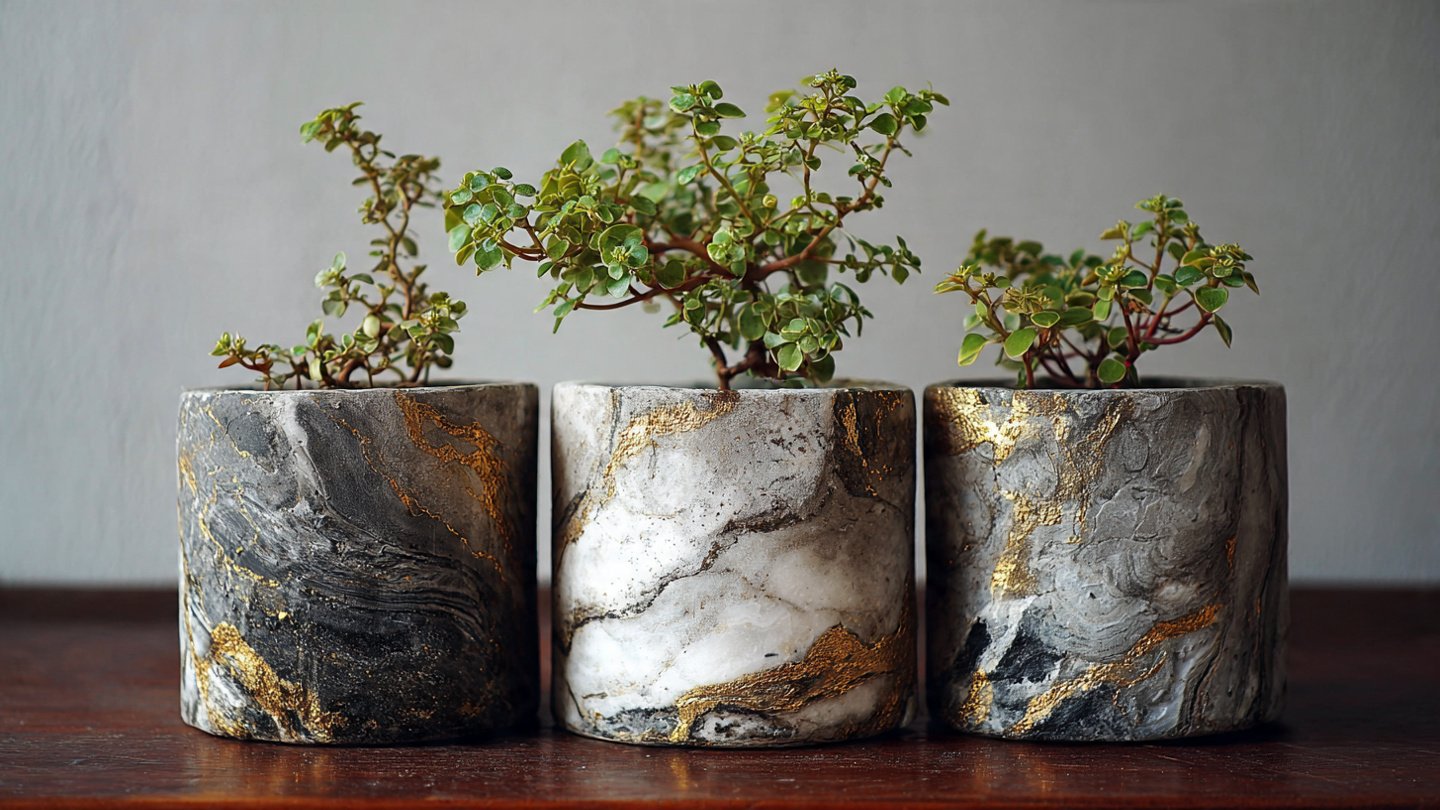
Plastic pots are a gardener’s staple: lightweight, inexpensive, and widely available. However, they often look plain and cheap, clashing with elegant garden designs or indoor decor. Instead of discarding old plastic pots, you can transform them into luxurious stonelook beauties with a few creative techniques. This not only gives your pots a high-end aesthetic but also promotes sustainability by reusing items that would otherwise contribute to plastic waste.
In this article, we’ll explore practical, easy-to-follow methods to convert old plastic pots into stunning stone-inspired planters that look rich and natural, without the heavy weight of real stone.
1. Clean and Prepare Your Plastic Pots
The first step in any transformation is preparation. Old plastic pots may have dirt, residue, or even algae on their surfaces, which can prevent paint and textures from adhering properly.
Steps to prepare your pots:
- Wash thoroughly: Use warm water and dish soap to remove dirt and grime.
- Scrub stubborn areas: A soft brush or sponge works well for stains or moss.
- Dry completely: Moisture can interfere with paint or adhesive layers.
- Lightly sand: Using fine-grit sandpaper, scuff the surface lightly to create better adhesion for paint or texture materials.
This foundational step ensures that your plastic pots are ready for a smooth, lasting stonelook finish.
2. Choose the Right Materials for a Stonelook Finish
Creating a stone-like effect requires materials that mimic the texture, color, and weight of natural stone. You have several options depending on your budget, desired look, and DIY comfort level:
- Acrylic or chalk paint: Ideal for base colors and subtle shading. Use neutral stone shades like gray, beige, taupe, or off-white.
- Texture paste or modeling paste: These give a rough, 3D texture similar to stone surfaces.
- Plaster or cement mixture: For a more realistic stonelook, a thin layer of plaster or cement can be applied over the plastic.
- Spray paint with stone finish: Many craft stores offer spray paints specifically designed to imitate granite, marble, or limestone.
Each material has advantages: paint is lightweight and easy, while plaster or cement produces a heavier, more authentic stone feel.
3. Apply a Base Coat for a Stone-Like Foundation
Once your pot is clean and dry, applying a base coat is crucial. The base color sets the tone for the final stonelook and ensures that textures or layers blend naturally.
Steps to apply a base coat:
- Use a primer suitable for plastic. This step enhances paint adhesion and prevents peeling.
- Apply one or two coats of neutral acrylic or chalk paint. Gray, sandy beige, or warm off-white are ideal stone colors.
- Let each coat dry completely before moving to the next step.
A solid base layer creates a uniform canvas, which helps the textured finish appear more realistic.
4. Create Texture for Authentic Stone Appearance
Stone surfaces are rarely smooth. To achieve a natural stone texture, there are multiple techniques you can use on plastic pots:
- Texture paste or modeling paste: Apply with a palette knife or sponge to create subtle bumps and grooves. Spread unevenly for a natural look.
- Plaster coating: Mix plaster with a little water and apply a thin layer over the pot. Let it partially dry, then press with a sponge or crumpled paper to mimic stone.
- Sponging or stippling: Dip a sponge in paint or plaster and dab the surface. This method is simple but highly effective for irregular stone patterns.
After texturing, allow the surface to dry completely before moving on to coloring or sealing. Proper drying ensures the texture remains intact and durable.
5. Add Layered Colors for Depth
Stone has natural variations in color—subtle shifts, streaks, and speckles. Layering multiple colors enhances realism and gives your pots a luxurious appearance.
Tips for coloring:
- Start with the base stone color (gray, taupe, or beige).
- Use a sponge or dry brush to add secondary colors, such as lighter or darker shades.
- Apply highlights and lowlights sparingly to create depth.
- Avoid uniform strokes; irregular patterns mimic real stone more convincingly.
Optional: For a marble effect, lightly drag a fine brush or sponge in veining patterns across the surface. Blend with a damp sponge for a subtle, natural appearance.
6. Seal the Pot for Durability
To make your stonelook pots last indoors or outdoors, sealing is essential. Sealing protects the surface from water, sunlight, and dirt, preserving both the texture and color.
Recommended sealers:
- Clear acrylic sealer: Water-based, non-yellowing, ideal for indoor pots.
- Outdoor polyurethane spray: UV-resistant, protects against fading for outdoor use.
- Matte or satin finish: Avoid glossy finishes; they reduce the stone effect.
Apply two thin coats of sealer, allowing the first coat to dry completely before the second. This creates a durable finish without masking the realistic stone texture.
7. Add Decorative Touches
Once your stonelook base is complete, you can enhance the luxurious appearance with decorative touches. These final details elevate the pot from a simple craft project to a designer statement piece.
- Metallic highlights: Dry brushing with a touch of bronze, gold, or silver adds subtle shimmer.
- Engraving or etching: Lightly carve patterns into plaster or textured paste before sealing.
- Moss or faux plants: Place small moss patches or succulents for a natural, upscale garden look.
- Layered finishes: Combine smooth and rough areas to imitate worn or weathered stone.
These finishing touches give your pots personality, making them stand out in any garden, patio, or interior space.
Tips for Fast and Easy Transformation
- Use spray paint for quick coverage: Spray paints with stone finishes reduce painting time while giving realistic textures.
- Work in batches: Transform multiple pots at once for efficiency.
- Repurpose tools: Sponges, brushes, and even crumpled paper can create textures without expensive tools.
- Experiment with techniques: Test color layers or textures on small plastic pieces before applying to the entire pot.
Following these shortcuts helps you achieve a luxurious stonelook without spending hours or breaking the budget.
Why Transforming Plastic Pots Is a Smart Choice
Transforming old plastic pots has benefits beyond aesthetics:
- Eco-friendly: Reusing pots reduces plastic waste and promotes sustainability.
- Cost-effective: You save money while achieving a designer look.
- Customizable: You can match colors and textures to your decor or garden theme.
- Lightweight alternative: Achieve the stone appearance without heavy, fragile materials.
By turning simple plastic containers into elegant stonelook planters, you elevate your space while practicing mindful, sustainable gardening.
Conclusion
Old plastic pots don’t have to remain dull and utilitarian. With a few DIY techniques—cleaning, prepping, adding texture, layering colors, sealing, and adding decorative touches—you can create luxurious stonelook beauties that rival real stone planters.
Whether you’re decorating a contemporary indoor space, a chic patio, or a full outdoor garden, stonelook pots provide elegance, sophistication, and practicality. By reusing and transforming what you already have, you achieve a sustainable, stylish, and cost-effective solution that enhances your plants’ presentation.
Next time you see an old plastic pot, think of it as a blank canvas. With creativity, patience, and a few smart techniques, it can become a centerpiece in your garden or home—proof that even humble materials can be turned into luxurious decor.